
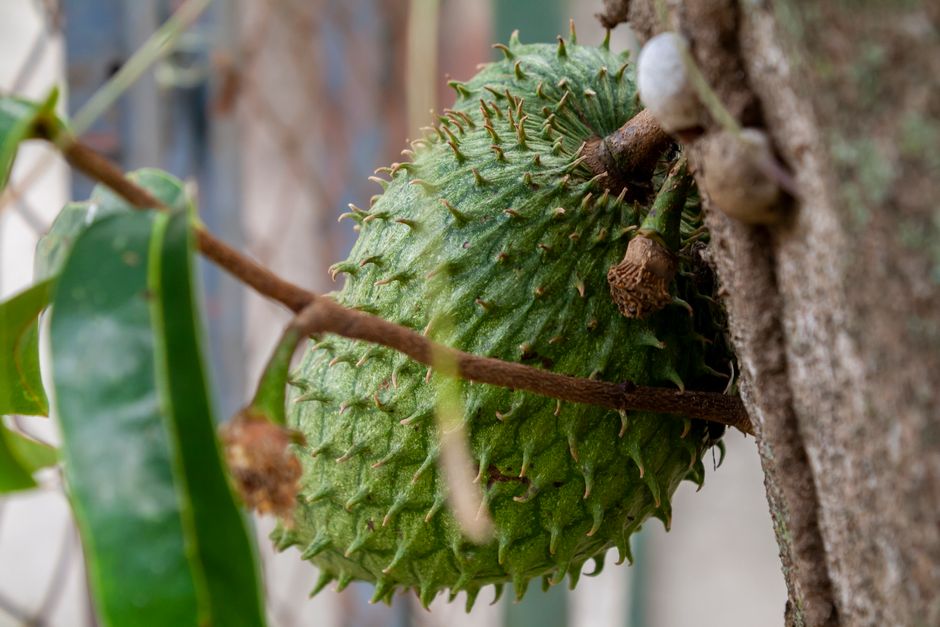
Soursop, also known as graviola, is a tropical fruit with a sweet, tangy flavor. Its flesh is creamy and white, and people often eat it fresh or use it in juices and smoothies. The fruit is packed with nutrients like vitamin C, fiber, and antioxidants, making it a healthy addition to a balanced diet. However, many claims about soursop go far beyond basic nutrition, especially regarding its potential to fight cancer, and those claims require a closer look.
What Are The Benefits Of Soursop? The Basics
The main benefits of soursop come from its nutritional profile. A single serving provides a good amount of vitamin C, which supports immune function and skin health. It also contains dietary fiber, which aids digestion and helps you feel full.
Soursop is rich in antioxidants, including flavonoids and other plant compounds. Antioxidants help protect your cells from damage caused by unstable molecules called free radicals. This cellular protection is linked to lower risk of chronic diseases, though this is a general benefit of antioxidant-rich foods, not something unique to soursop.
The fruit also provides potassium and magnesium. These minerals are important for heart health and muscle function. As a whole food, soursop is a nutritious choice, especially when it replaces sugary snacks or processed desserts.
Can Soursop Help Fight Cancer?
This is the most common question about soursop, and the answer requires careful honesty. Laboratory studies have shown that certain compounds in soursop, particularly annonacin, can kill cancer cells in test tubes and in animal studies. These findings are real and published in peer-reviewed journals.
However, laboratory results do not translate directly to humans. No clinical trials have shown that eating soursop or taking soursop supplements can treat cancer in people. The doses used in lab studies are far higher than what you would get from eating the fruit. And the human body processes these compounds differently than a petri dish does.
The American Cancer Society and other major health organizations do not endorse soursop as a cancer treatment. Relying on soursop instead of proven medical treatment could delay effective care. If you have cancer, discuss all complementary approaches with your oncologist before making any changes to your treatment plan.
What About Soursop Leaves and Supplements?
Soursop leaves are brewed into tea in many cultures, and the leaves are also ground into powders and sold as supplements. These products are marketed with bold claims about pain relief, inflammation reduction, and disease prevention.
The evidence for these benefits is limited. Some small studies suggest anti-inflammatory properties, but no large human trials have confirmed these effects. The supplement industry is not tightly regulated, so product quality varies widely. A supplement label does not guarantee that the product contains what it claims or that it is safe.
Soursop supplements can be dangerous. The annonacin compound found in soursop has been linked to nerve damage in animal studies. Long-term consumption of high doses may increase the risk of neurological problems. This is a serious concern that is rarely mentioned on product labels.





Are There Any Side Effects or Risks?
Eating soursop fruit in normal food amounts is generally considered safe for most people. The fruit itself is not known to cause serious side effects when consumed as part of a regular diet.
The risks increase with supplements and concentrated extracts. These products deliver much higher doses of active compounds than you would get from eating the fruit. The potential for nerve toxicity from annonacin is a real concern, especially with long-term use.
People with Parkinson’s disease or other neurological conditions should avoid soursop supplements entirely. Some research suggests that annonacin may worsen symptoms or contribute to nerve damage. Pregnant women and people taking blood pressure medication should also be cautious, as soursop can lower blood pressure and may interact with medications.
Always tell your doctor about any supplements you take, including herbal products like soursop. Some interactions are not well understood, and your doctor needs complete information to manage your care safely.
How Does Soursop Compare to Other Fruits?
Soursop is nutritious, but it is not uniquely superior to other fruits. Many common fruits offer similar benefits at a lower cost and with more research behind them.
| Nutrient | Soursop | Banana | Orange |
|---|---|---|---|
| Vitamin C | Good source | Low | Excellent source |
| Fiber | Good source | Good source | Good source |
| Potassium | Good source | Excellent source | Moderate |
| Antioxidants | High variety | Moderate | High |
Berries, citrus fruits, and apples all provide comparable nutritional benefits. The unique compounds in soursop are interesting to researchers, but their health effects in humans remain unproven. For everyday nutrition, choose a variety of fruits based on what you enjoy and can afford.
Soursop is also perishable and often expensive outside tropical regions. Frozen pulp is a practical alternative if you want to try it. Fresh fruit is best if you live in an area where it is grown locally.
How Should You Eat Soursop?
If you want to try soursop, the fruit itself is the safest form. Cut it open, scoop out the white flesh, and remove the dark seeds before eating. The seeds are not edible and should be discarded.
The flesh works well in smoothies, mixed with other fruits like banana or pineapple. You can also blend it with milk or coconut water for a refreshing drink. Some people freeze the pulp to make a simple sorbet.
Soursop tea made from leaves is common in traditional medicine. If you choose to drink it, do so occasionally rather than daily. The long-term safety of regular leaf tea consumption is not well studied, and moderation is the prudent approach.
Do not consume soursop supplements without discussing them with your doctor first. The concentrated forms carry the most risk and the least evidence of benefit. Whole foods are almost always a better choice than supplements for nutrients.
The Bottom Line on Soursop
Soursop is a tasty, nutritious fruit that fits well into a healthy diet. It provides vitamin C, fiber, and antioxidants that support general health. If you enjoy the flavor, there is no reason to avoid it.
The cancer-fighting claims are not supported by human evidence. No studies have shown that soursop treats cancer in people, and the laboratory findings do not justify using it as a medical treatment. Anyone considering soursop for a serious illness should rely on proven medical care and discuss any supplements with their doctor.
Treat soursop as what it is: a healthy fruit with interesting chemical compounds. Its benefits are real but modest, similar to other fruits you already know. The extraordinary claims require extraordinary evidence, and that evidence does not yet exist.
Frequently Asked Questions
Can soursop cure cancer?
No clinical evidence shows that soursop can cure cancer in humans. Laboratory studies have found compounds that kill cancer cells in test tubes, but no trials have confirmed this effect in people.
Is it safe to eat soursop every day?
Eating soursop fruit in normal amounts is generally safe for most healthy people. Supplements and concentrated extracts carry more risk and should be discussed with a doctor first.
What does soursop taste like?
Soursop has a sweet and tangy flavor often compared to a mix of strawberry and pineapple. The white flesh is creamy with a texture similar to a ripe pear.
Can you eat soursop seeds?
No, soursop seeds are not edible and should always be removed. The seeds contain compounds that are toxic and can cause serious side effects if swallowed.
