
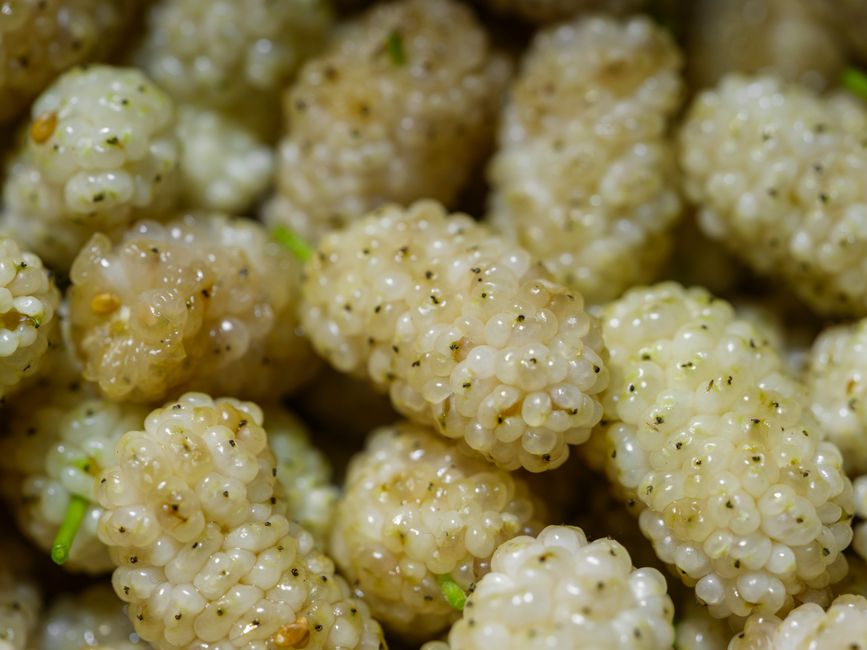
Mulberries are small, sweet berries that pack a surprising amount of nutrition into a tiny package. They are rich in vitamin C, iron, and plant compounds called anthocyanins, which give them their deep color. Research consistently shows that mulberries offer real benefits for blood sugar control, heart health, and digestion, making them a genuinely useful addition to a balanced diet rather than a trendy superfood.
What Is Mulberry Good For Nutrition And Benefits?
Mulberries are one of the few fruits that contain meaningful amounts of iron and vitamin C together. This combination matters because vitamin C helps your body absorb plant-based iron more effectively. A single serving of fresh mulberries provides a respectable portion of your daily vitamin C needs along with fiber, potassium, and magnesium.
The berries also contain resveratrol and anthocyanins, which are antioxidant compounds also found in grapes and dark berries. These compounds help neutralize free radicals in the body, which are unstable molecules that can damage cells over time. While no food can prevent disease on its own, the antioxidant content in mulberries is well documented in nutritional research.
What makes mulberries distinct from other berries is their unique sugar profile. They contain a compound called DNJ (1-deoxynojirimycin), which has been studied for its ability to slow the breakdown of carbohydrates in the gut. This is why mulberries have attracted attention for blood sugar management.
Can Mulberries Help Control Blood Sugar?
Some research suggests mulberries may help moderate blood sugar spikes after meals. The DNJ compound in mulberry leaves and fruit inhibits certain enzymes that break down carbohydrates into sugar. When these enzymes are slowed, sugar enters the bloodstream more gradually.
Studies on mulberry extract have shown modest improvements in post-meal blood sugar levels in people with type 2 diabetes. However, most of this research used concentrated extracts rather than whole fruit. Eating fresh mulberries delivers a much lower dose of DNJ than a supplement would.
The fiber content also plays a role. A cup of mulberries contains about 2.4 grams of fiber, which slows digestion and helps stabilize blood sugar. If you are managing diabetes or prediabetes, mulberries can be part of a carbohydrate-conscious diet, but they are not a replacement for medication or dietary changes recommended by your doctor.
Mulberry Nutrition Facts
Here is the nutritional breakdown for one cup of raw mulberries, which is about 140 grams:
- Calories: 60
- Carbohydrates: 14 grams
- Fiber: 2.4 grams
- Sugar: 11 grams
- Vitamin C: 51 milligrams, which is about 57 percent of the daily value
- Iron: 2.6 milligrams, which is about 14 percent of the daily value
- Potassium: 272 milligrams
- Magnesium: 25 milligrams
Compared to other berries, mulberries are notably higher in iron and vitamin C. Strawberries have more vitamin C but far less iron. Blueberries have similar antioxidant profiles but less fiber per serving. This nutrient combination is what makes mulberries a practical choice, especially for people who follow plant-based diets and need more dietary iron.
Dried mulberries are a different story. The drying process removes water, concentrating the sugars. A small handful of dried mulberries contains significantly more calories and sugar than the same weight of fresh berries. If you are watching your sugar intake, fresh or frozen mulberries are the better option.




How Do Mulberries Support Heart Health?
The antioxidants in mulberries, particularly anthocyanins, have been linked to improved cardiovascular health. These compounds help reduce oxidative stress in blood vessels, which is a contributing factor in the development of atherosclerosis, or hardening of the arteries.
Mulberries also provide potassium, a mineral that helps counterbalance sodium and supports healthy blood pressure regulation. The fiber in mulberries binds to cholesterol in the digestive tract, helping the body excrete it rather than absorb it. Some animal studies have shown that mulberry extract can lower LDL cholesterol levels, though human research is more limited.
One important note: most heart health research on mulberries has used extracts or concentrated powders, not whole fruit. Eating mulberries as part of a diet rich in vegetables, whole grains, and other fruits is a reasonable way to support heart health. Expecting a single food to dramatically change your cholesterol levels is not realistic.
Are Mulberries Good for Digestion?
Mulberries contain both soluble and insoluble fiber, which support digestive health in different ways. Soluble fiber feeds beneficial gut bacteria, which produce short-chain fatty acids that nourish the intestinal lining. Insoluble fiber adds bulk to stool and helps prevent constipation.
The berries also contain natural sugars like fructose and glucose. For most people, these are easily digested. However, if you have irritable bowel syndrome or a known sensitivity to fructose, eating large amounts of mulberries could cause bloating or discomfort. Start with a small serving to see how your body responds.
Traditional medicine has used mulberry leaves and fruit for digestive complaints for centuries, but modern clinical evidence for these specific uses is thin. What is well established is that the fiber content supports regular bowel movements and a healthy gut microbiome.
What Are the Best Ways to Eat Mulberries?
Fresh mulberries are delicate and have a short shelf life, which is why they are not as common in grocery stores as blueberries or strawberries. They are best eaten within a day or two of purchase. If you find them at a farmers market, look for berries that are plump, deeply colored, and free of mold.
Frozen mulberries are a practical alternative. They retain most of their nutritional value and can be added to smoothies, oatmeal, or yogurt. Dried mulberries are convenient for snacking but remember they are concentrated in sugar.
Here are a few simple ways to include mulberries in your diet:
- Add fresh or frozen mulberries to plain yogurt or cottage cheese
- Blend them into a smoothie with spinach and banana
- Sprinkle dried mulberries over oatmeal or salad
- Use them in baking as a substitute for raisins or other dried fruit
There is no official recommended daily intake for mulberries specifically. A reasonable serving is about one cup of fresh berries or a small handful of dried ones. They are a healthy food, but they are not a medicine and should not be consumed in excessive quantities.
Are There Any Risks or Side Effects?
Mulberries are safe for most people when eaten as food. Allergic reactions are rare but possible, especially in people who are sensitive to other berries or to birch pollen. If you experience itching, swelling, or difficulty breathing after eating mulberries, seek medical attention.
People taking diabetes medication should be aware that mulberry supplements, not whole fruit, may enhance the blood sugar-lowering effect of their medication. This could lead to hypoglycemia, or dangerously low blood sugar. If you take medication for diabetes, talk to your doctor before using mulberry extract or supplements.
Unripe mulberries contain a milky sap that can cause stomach upset. Always eat fully ripe berries. Pregnant and breastfeeding women can eat mulberries as food, but no clinical guidelines exist for using mulberry supplements during pregnancy, so avoid them unless your healthcare provider approves.
Frequently Asked Questions
Are mulberries better for you than blueberries?
Both are nutritious, but they differ. Mulberries have more iron and vitamin C, while blueberries are lower in sugar and have a slightly different antioxidant profile.
Can eating mulberries lower blood sugar?
Some studies suggest mulberry extract can modestly reduce post-meal blood sugar, but whole fruit has a milder effect. They are not a substitute for diabetes treatment.
Are dried mulberries as healthy as fresh ones?
Dried mulberries retain fiber and minerals but have concentrated sugar and calories. Fresh or frozen mulberries are the better choice for daily eating.
Where can I buy mulberries?
Look for fresh mulberries at farmers markets in late spring and early summer. Frozen and dried mulberries are available year-round at many grocery stores and online retailers.
