
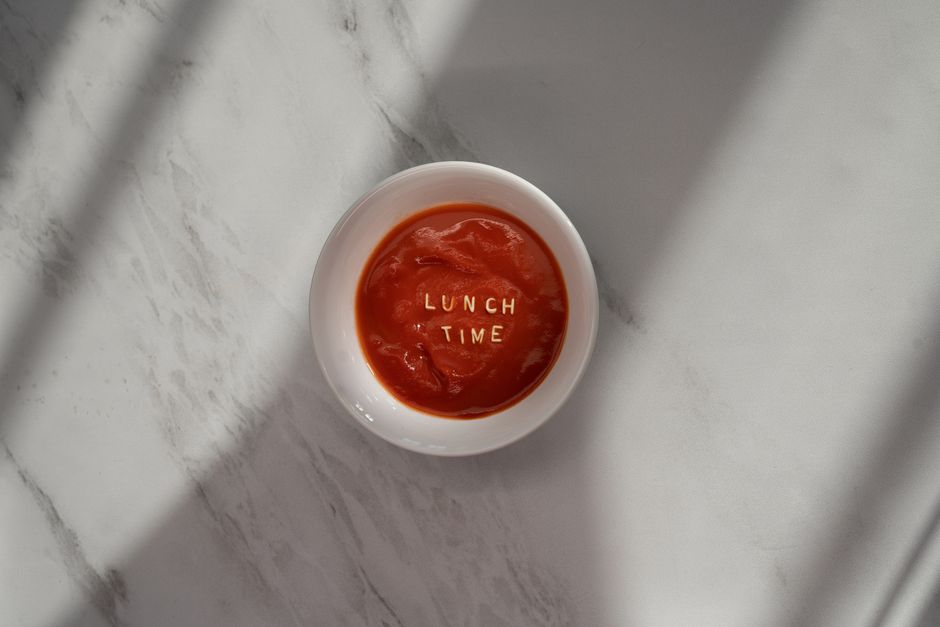
Yes, homemade tomato soup is healthy. It is packed with vitamins, minerals, and antioxidants, and it naturally contains fewer calories and much less sodium than most canned or restaurant versions. The key is in how you make it, especially what fats and thickeners you add.
What Are the Actual Nutrition Facts of Homemade Tomato Soup?
A basic bowl of homemade tomato soup made with fresh tomatoes, onions, garlic, and olive oil is a nutrient-dense food. A standard one-cup serving typically contains around 100 to 150 calories, depending on the recipe. That same serving provides a significant amount of vitamin C, vitamin A, and potassium.
Tomatoes are the star ingredient. They are one of the richest dietary sources of lycopene, a carotenoid that gives tomatoes their red color. Lycopene acts as an antioxidant in the body, and research consistently shows that diets rich in lycopene are linked to lower rates of heart disease and certain cancers, particularly prostate cancer.
The exact numbers shift based on your ingredients. If you add heavy cream, the calorie and fat count rises sharply. If you use only vegetable broth and olive oil, it stays lean. The base soup is naturally low in protein and fiber, so pairing it with a sandwich or salad makes it a more balanced meal.
Is Homemade Tomato Soup Healthier Than Canned?
In most cases, yes, homemade is the healthier choice. The primary advantage is sodium control. A single cup of many canned tomato soups contains between 600 and 800 milligrams of sodium. That is roughly one-third of the recommended daily limit of 2,300 milligrams for most adults.
Homemade soup gives you full control over the salt shaker. You can use low-sodium broth and let the natural sweetness of roasted tomatoes carry the flavor. Many people find they need far less salt than they expect once the tomatoes are caramelized properly.
Canned versions also often contain added sugar. Some brands add high-fructose corn syrup or other sweeteners to balance the acidity of the tomatoes. When you make soup at home, the only sweetness comes from the tomatoes themselves, which is naturally occurring and accompanied by fiber and nutrients.
One thing to note: canned tomatoes themselves are perfectly healthy. In fact, the canning process makes lycopene more bioavailable, meaning your body absorbs it more easily than from raw tomatoes. The issue with canned soup is the added sodium and preservatives, not the tomatoes inside them.
Does Cooking Tomatoes Destroy Their Nutrients?
No, cooking tomatoes actually improves the availability of some nutrients. Heat breaks down the cell walls of the tomato, releasing lycopene and making it easier for your body to absorb. Studies have found that cooked tomato products, including soup and sauce, deliver more absorbable lycopene than raw tomatoes.
However, heat does reduce vitamin C content. Vitamin C is sensitive to heat and water, so some of it is lost during simmering. You can offset this loss by adding a squeeze of fresh lemon juice or a handful of fresh herbs to the finished soup. This preserves some vitamin C while also brightening the flavor.
The fat you add matters for nutrient absorption. Lycopene is fat-soluble, which means your body needs dietary fat to absorb it effectively. A tablespoon of olive oil in your soup is enough to significantly boost lycopene absorption. This is one case where adding a healthy fat genuinely improves the nutritional value of the meal.





What Ingredients Should You Add or Avoid?
The healthiest versions of homemade tomato soup rely on whole-food ingredients. Onions, garlic, carrots, and celery all add depth of flavor and additional nutrients without adding empty calories. Fresh or dried herbs like basil, oregano, and thyme contribute antioxidants and make the soup taste more complex.
Olive oil is the best fat choice. It provides monounsaturated fats and polyphenols that support heart health. A tablespoon per batch is plenty. Butter works too, but it adds more saturated fat. If you use butter, use it sparingly.
Heavy cream is the ingredient that most quickly turns a healthy soup into a less healthy one. A half-cup of heavy cream adds around 400 calories and 44 grams of fat, most of it saturated. If you want a creamy texture, consider these alternatives:
- Plain Greek yogurt stirred in at the end for protein and creaminess
- Canned coconut milk for a dairy-free option
- Blended white beans or cauliflower for thickness without cream
- Evaporated skim milk for a lighter dairy option
Be careful with sugar. Tomatoes are naturally acidic, and many recipes call for a pinch of sugar to balance that acidity. A teaspoon of sugar per pot is not a health concern. The problem arises when commercial soups add multiple teaspoons per serving. At home, you control the amount, and you can often skip the sugar entirely by roasting the tomatoes first, which brings out their natural sweetness.
Is Tomato Soup Good for Weight Loss and Heart Health?
Tomato soup can fit into a weight loss plan, but it is not a magic food. A broth-based homemade tomato soup is low in calories and high in water content, which can help you feel full for relatively few calories. This makes it a useful starter to a meal or a light lunch option.
For heart health, the evidence is more direct. The potassium in tomatoes helps counterbalance sodium and supports healthy blood pressure levels. The lycopene and vitamin C both act as antioxidants that reduce oxidative stress, a contributor to arterial damage over time.
Some research suggests that regular consumption of tomato products is associated with lower LDL cholesterol and reduced markers of inflammation. These are observational findings, meaning they show a correlation, not proof that tomato soup alone prevents heart disease. But the overall pattern is consistent: tomatoes are a heart-healthy food.
One caution: if you have kidney disease or take blood pressure medication, talk to your doctor about potassium intake. Tomato soup is high in potassium, which is usually beneficial but can be problematic for people with certain kidney conditions.
Are There Any Downsides to Eating Tomato Soup Regularly?
For most people, no. The main downsides are related to how the soup is prepared rather than the soup itself. High sodium, added sugar, and heavy cream are the culprits that turn a healthy meal into a less healthy one.
Tomatoes are naturally acidic, which can trigger acid reflux or heartburn in some people. If you are prone to reflux, you may notice symptoms after eating tomato soup. Adding a small amount of baking soda can neutralize some acidity, but it also alters the flavor. Alternatively, you can pair the soup with a glass of water and eat it slowly.
People with a nightshade sensitivity or allergy should avoid tomatoes entirely. This is relatively rare but real. Symptoms include digestive discomfort, skin rashes, or joint pain after consuming tomatoes. If you suspect this, keep a food diary and discuss it with your doctor.
How Should You Store and Reheat Homemade Tomato Soup?
Homemade tomato soup stores well in the refrigerator for up to four days in an airtight container. It also freezes beautifully for up to three months. Freeze it in individual portions so you can thaw only what you need.
When reheating, use a stovetop or microwave. Stir frequently to prevent scorching at the bottom of the pot. If the soup thickens after refrigeration, add a splash of broth or water to restore the consistency.
If you added dairy cream to the soup, reheat it gently over low heat. Boiling a cream-based soup can cause it to curdle and separate. If your soup is dairy-free, you can reheat it more aggressively without issue.
Frequently Asked Questions
Is tomato soup good for you every day?
Yes, homemade tomato soup can be eaten daily as part of a balanced diet. It is low in calories and rich in vitamins, but vary your meals to ensure you get protein, fiber, and other nutrients.
Does tomato soup count as a vegetable serving?
Yes, a cup of tomato soup counts toward your daily vegetable intake. Tomatoes are botanically a fruit but are classified as a vegetable for dietary guidance purposes.
Is tomato soup high in sugar?
Homemade tomato soup is not high in sugar unless you add sweeteners. Canned versions often contain added sugar, but a homemade recipe with only tomatoes and vegetables has just the natural sugars found in the produce.
Can tomato soup help you lose weight?
Tomato soup can support weight loss because it is low in calories and high in water, which promotes fullness. It works best as part of an overall calorie-controlled diet rather than as a standalone solution.
