
Lebanese food can be very healthy, but the cuisine’s reputation often gets more credit than it deserves. The traditional version — built on vegetables, legumes, olive oil, herbs, and lean proteins — matches what nutrition research consistently links to lower rates of heart disease and type 2 diabetes. The restaurant version, with its fried pastries, white rice, and generous oil, is a different story. Both are called Lebanese food.
That gap matters. If you are ordering mezze on a Friday night, you are eating something closer to a Mediterranean diet pattern than to a fast-food meal. But “closer to” is not the same as “automatically healthy.” Portions, preparation, and what you skip or add decide the outcome.
What Makes Lebanese Food Healthy The Full Nutrition Picture?
The core of Lebanese cooking is plant-forward eating, and that is where most of the health benefit lives.
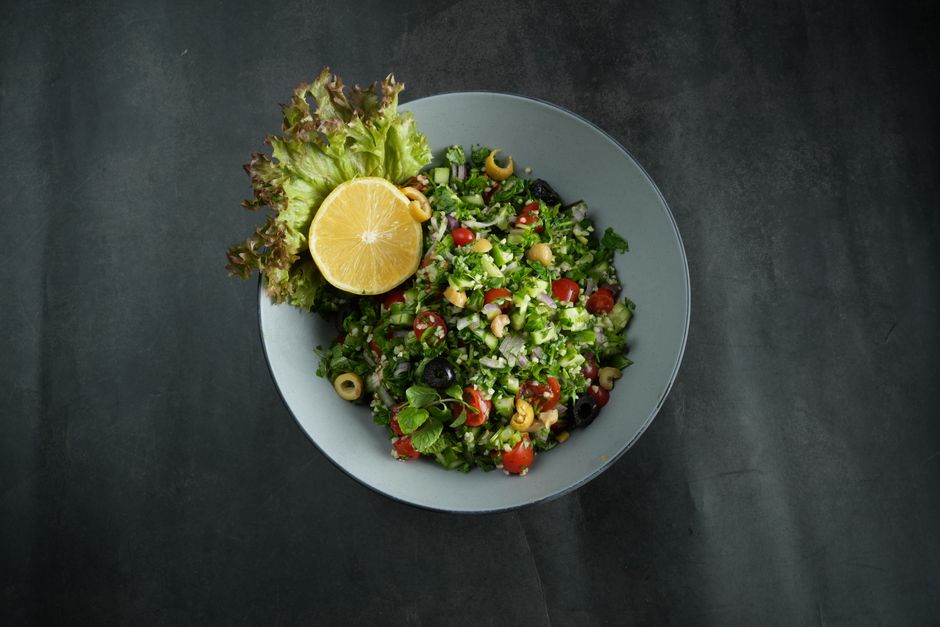
Consider what shows up on a typical table. Hummus is chickpeas, tahini, lemon, and garlic. Tabbouleh is parsley, tomato, bulgur, mint, and olive oil. Fattoush is a vegetable salad with toasted pita. Baba ghanoush is roasted eggplant with tahini. These are dishes where vegetables and legumes are the main event, not a side note.
That pattern lines up with what researchers have observed for decades in Mediterranean populations. Diets rich in legumes, vegetables, whole grains, and olive oil are associated with lower cardiovascular risk in large observational studies and in some randomized trials. The PREDIMED trial, published in the New England Journal of Medicine, found that a Mediterranean-style diet supplemented with olive oil or nuts reduced major cardiovascular events compared with a low-fat control diet in people at high risk. Lebanese food is not identical to that trial’s diet, but it overlaps substantially.
The legume base deserves specific attention. Chickpeas, lentils, and fava beans deliver fiber, plant protein, and slowly digested carbohydrates. Fiber intake in the US falls well short of the recommended 25 to 38 grams per day for adults, depending on age and sex, according to national dietary guidelines. A cuisine built on legumes helps close that gap in a way that feels like eating rather than restriction.
Olive oil is the primary fat. It is mostly monounsaturated fat, and it is used generously but purposefully — for dressing, drizzling, and cooking, not for deep frying in most home preparations.
How Does Lebanese Food Compare to Other Mediterranean Diets?
Lebanese food is a regional variation of the Mediterranean pattern, not a separate category. That distinction matters because the health evidence base is built around the broader pattern, not around any single country’s cooking.
What sets the Lebanese version apart is its heavy use of herbs — parsley, mint, thyme, and sumac — and its reliance on legumes over fish. Coastal Mediterranean diets lean more on seafood. Lebanese cooking leans more on plants. Both are consistent with the overall pattern.
The Lebanese staple za’atar, a blend of thyme, sesame, and sumac, is worth noting. Thyme and sumac are plant foods with polyphenols, but no large human trial has shown that eating za’atar produces specific health outcomes. The benefit comes from the overall pattern, not from any single spice.
One clarification: “Mediterranean diet” is not a single diet. It describes a collection of eating habits across Greece, southern Italy, Spain, Lebanon, and other countries. The evidence supports the pattern, not a precise menu.
Which Lebanese Dishes Are Actually the Healthiest?
The healthiest choices are the ones where vegetables and legumes dominate and added fat stays modest.
- Hummus — chickpeas, tahini, olive oil, lemon. High in fiber and plant protein. Watch the portion if you are counting calories, since tahini and oil add fat.
- Tabbouleh — mostly parsley and tomato with a small amount of bulgur. Very low in calories per serving and high in vitamin C and vitamin A.
- Fattoush — a vegetable salad with a small amount of fried pita. Ask for the pita on the side to control how much you eat.
- Lentil soup — lentils, onion, cumin, olive oil. High fiber, high plant protein, low cost.
- Baba ghanoush — roasted eggplant and tahini. Lower in calories than hummus but similar in fat from the tahini.
- Grilled chicken or fish — lean protein with herbs and lemon, minimal added fat.
These dishes are not low-calorie in every case. Hummus and baba ghanoush carry fat from tahini and olive oil. That fat is mostly unsaturated, which is favorable, but it still contributes calories. A cup of hummus is roughly 400 calories depending on the recipe, and it is easy to eat a cup without noticing.


Which Lebanese Foods Should You Watch Out For?
Several dishes that appear on every Lebanese menu are high in refined carbohydrates, sodium, or fried fat.
Fried kibbeh is a bulgur shell around ground meat, then deep-fried. The bulgur is a whole grain, but frying adds substantial fat and calories. Meat pies (sfiha) and spinach pies (fatayer) are baked, which is better, but the dough is refined white flour and the fillings often carry a lot of salt.
Falafel is ground chickpeas, but it is deep-fried. The chickpea base is nutritious; the frying method works against it. Shawarma can be lean if it is chicken or beef carved from a spit and served with vegetables, but the sauces and the white pita that wrap it add calories, sodium, and refined carbs quickly.
White rice served alongside stews is a refined grain. Baklava and other syrup-soaked pastries are high in sugar and fat. Labneh, a strained yogurt, is nutritious and high in protein, but full-fat versions are calorie-dense.
Sodium is a real concern across the cuisine. Pickled vegetables, olives, and many prepared mezze items are salty. The American Heart Association recommends no more than 2,300 milligrams of sodium per day for most adults, and ideally closer to 1,500 milligrams for people with high blood pressure. A mezze spread can approach or exceed the higher number in one meal.
Is Lebanese Food Good for Weight Management?
It can be, but only if you manage portions and preparation. The cuisine is not inherently low-calorie.
The plant-forward base supports weight management because fiber and protein increase satiety. Legumes in particular have been studied for their effect on appetite. Some research suggests that meals built on legumes lead people to eat less at the next meal, though results vary and the effect is modest.
The problem is that mezze is designed for sharing and grazing. Calories add up across many small plates without registering as a full meal. Olive oil, tahini, and nuts are calorie-dense. Fried items add more. A restaurant mezze spread can easily exceed 1,500 calories before the main course arrives.
Practical adjustments that do not require giving up the food:
- Fill half your plate with tabbouleh, fattoush, or other vegetable dishes first.
- Choose grilled over fried when both are offered.
- Ask for sauces and dressings on the side.
- Treat hummus and baba ghanoush as a condiment, not a main dish, if you are watching calories.
- Skip or share the baklava rather than eating a full piece.
Does Lebanese Food Fit a Heart-Healthy Eating Pattern?
Yes, when it is built the traditional way. The cuisine’s core — legumes, vegetables, whole grains, olive oil, herbs, and modest amounts of lean protein — aligns closely with dietary patterns that large studies link to lower cardiovascular risk.
The Mediterranean pattern as a whole has the strongest evidence base of any traditional diet for heart health. Research published in the New England Journal of Medicine and elsewhere has found associations between this pattern and reduced rates of heart attack, stroke, and cardiovascular death. Lebanese cooking is one expression of that pattern.
But the pattern only holds if the preparation matches. Deep-fried kibbeh, white pita in quantity, and heavy sodium from pickles and prepared mezze work against the heart-healthy reputation. The cuisine earns its reputation from the vegetables, legumes, and olive oil — not from the fried items that often accompany them.
One honest limitation: most of the evidence is about the broader Mediterranean pattern, not about Lebanese food specifically. No large trial has tested a Lebanese diet against a control diet for cardiovascular outcomes. The inference is reasonable, but it is an inference.
How Can You Make Lebanese Meals Healthier at Home?
Home cooking gives you control over oil, salt, and portion size in ways restaurants do not.
Start with the plant dishes. Tabbouleh, fattoush, hummus, and lentil soup are all simple to make and forgiving. Use more parsley and less bulgur in tabbouleh than many recipes call for. Use a measured amount of olive oil rather than pouring from the bottle.
For proteins, grill or roast chicken, fish, or lean beef with lemon, garlic, and herbs. Skip the deep fryer entirely for kibbeh and falafel — baking falafel patties is possible, though the texture changes. If you want the fried version, treat it as an occasional food, not a staple.
Swap white pita for whole wheat when you can find it. Swap white rice for bulgur or freekeh, both whole grains with more fiber. Use labneh or plain yogurt instead of heavy sauces.
Watch the salt. Rinse canned chickpeas and lentils before using them. Go lighter on pickles and olives. Taste before adding salt, since sumac, lemon, and herbs carry a lot of flavor on their own.
Frequently Asked Questions
Is Lebanese food healthier than American food?
Traditional Lebanese food is generally healthier than typical American fast food and processed food, mainly because it relies on vegetables, legumes, and olive oil rather than refined grains and added sugar. However, fried Lebanese dishes and heavy restaurant portions can be just as calorie-dense as American food.
Is hummus actually healthy or is it just marketed that way?
Hummus is genuinely nutritious because chickpeas provide fiber and plant protein and tahini and olive oil provide mostly unsaturated fat. The catch is portion size — it is calorie-dense, so a small serving is a better choice than a large bowl.
Can I eat Lebanese food if I have high blood pressure?
Yes, but sodium is the main concern because pickled vegetables, olives, and many prepared mezze items are salty. Ask for less salt, rinse canned legumes, and lean on fresh vegetable dishes like tabbouleh and fattoush.
Is falafel healthy?
Falafel is made from chickpeas, which are nutritious, but it is deep-fried, which adds substantial fat and calories. It is fine occasionally, but it is not a low-calorie food.
