
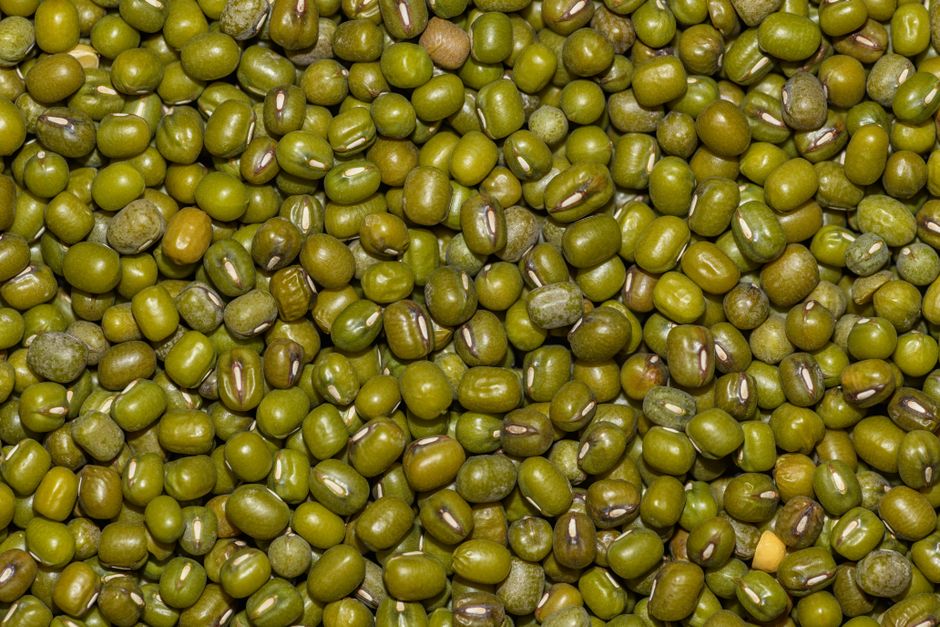
Beans are one of the most nutrient-dense foods you can eat, and for most people, the answer is a clear yes. They are packed with plant-based protein, fiber, and essential vitamins and minerals while being naturally low in fat. Research consistently links regular bean consumption with better heart health, steadier blood sugar, and improved digestive function. For the average healthy adult, beans are not just healthy — they are a cornerstone of some of the world’s most studied eating patterns, including the Mediterranean diet and the DASH diet for blood pressure control.
Are Beans A Healthy Food For Your Heart?
Yes. The evidence for beans and heart health is about as strong as it gets in nutrition science.
Studies have found that eating beans regularly can lower LDL cholesterol — the type linked to blocked arteries. This effect comes from soluble fiber, which binds to cholesterol in the digestive tract and helps remove it from the body. Beans also contain potassium and magnesium, two minerals that help regulate blood pressure.
One important detail: beans are naturally free of cholesterol and very low in saturated fat. Replacing animal protein like red meat with beans a few times per week is a practical way to shift your overall fat profile without changing much else about your diet. Some research suggests that people who eat legumes four or more times per week have a lower risk of coronary heart disease compared to those who eat them less than once a week.
This does not mean beans are a medical treatment. They are a food. But the pattern of evidence across large observational studies and clinical trials is consistent: bean eaters tend to have healthier hearts.
How Do Beans Affect Blood Sugar?
Beans are one of the best foods for keeping blood sugar steady.
Their carbohydrate is digested slowly because of the fiber and resistant starch they contain. Resistant starch is a type of carbohydrate that resists digestion in the small intestine and ferments in the colon instead. This slows the release of glucose into the bloodstream.
For people with type 2 diabetes or prediabetes, this matters a lot. Swapping fast-digesting carbohydrates like white rice or potatoes for beans produces a smaller blood sugar spike after a meal. Some research has shown that replacing half a serving of rice with beans leads to noticeably better blood sugar control in people with type 2 diabetes.
The protein in beans also plays a role. Protein slows stomach emptying, which further delays glucose absorption. The combination of slow-digesting carbohydrate and protein makes beans unusual among plant foods — most plant staples are either high in carbohydrate or high in protein, but beans offer both in a balanced ratio.
What Is The Nutritional Profile Of Beans?
Beans are not a single food. There are dozens of varieties — black beans, kidney beans, pinto beans, chickpeas, lentils, and navy beans are the most common in US diets. Their nutritional profiles are similar but not identical.
A typical half-cup serving of cooked beans provides roughly:
- 7-9 grams of protein
- 6-8 grams of fiber
- 40-45 grams of carbohydrate
- Less than 1 gram of fat
- Significant amounts of folate, iron, magnesium, and potassium
These figures come from USDA food composition data and apply to most common bean varieties. Lentils and split peas are slightly higher in fiber per serving. Soybeans are unique in that they contain more protein and fat than other beans.
One thing to know: beans contain phytates, compounds that can reduce absorption of some minerals like iron and zinc. This sounds concerning but rarely matters in practice for people eating a varied diet. The phytate effect is modest, and the overall mineral contribution of beans still outweighs the reduction in absorption. Vitamin C consumed in the same meal — like a tomato-based sauce or a squeeze of lemon — improves iron absorption from beans.




Do Beans Cause Digestive Discomfort?
Yes, for some people, especially when they first start eating them regularly.
Beans contain oligosaccharides — complex sugars that human digestive enzymes cannot break down. These sugars travel intact to the large intestine, where gut bacteria ferment them. This fermentation produces gas, which can cause bloating and flatulence.
This is not a sign that beans are unhealthy. It is a sign that your gut bacteria are doing their job. The discomfort usually decreases significantly within a few weeks as your gut microbiome adapts and becomes more efficient at handling these fibers.
Practical strategies to reduce gas include:
- Start with small portions — a quarter cup instead of a full cup
- Increase intake gradually over several weeks
- Rinse canned beans thoroughly to remove some of the indigestible sugars
- Soak dried beans overnight and discard the soaking water before cooking
There is no evidence that any particular method eliminates gas entirely. But most people find that the discomfort fades with regular consumption.
Are Canned Beans As Healthy As Dried Beans?
For most purposes, yes.
Canned beans are cooked beans in a can. The cooking process itself does not destroy nutrients in any meaningful way. Research comparing canned and dried beans has found similar protein and fiber content after preparation.
The main difference is sodium. Canned beans are often packed in salted water, and a single serving can contain 400-500 mg of sodium — roughly one-fifth of the recommended daily limit. This matters for people with high blood pressure or those watching sodium intake.
The solution is simple: rinse canned beans under cold water for about 30 seconds before using them. Studies have shown this reduces sodium content by about 40 percent. You can also look for no-salt-added or low-sodium varieties, which are widely available.
Dried beans are cheaper and let you control sodium completely. But they require soaking and longer cooking times. For convenience, canned beans are a perfectly healthy choice — the nutritional difference is minor.
Can Beans Help With Weight Management?
Beans are unusually well suited for weight management.
They are high in fiber and protein, both of which increase satiety — the feeling of fullness after eating. Studies have found that people report feeling fuller after meals containing beans compared to meals with the same calorie content but less fiber.
The caloric density of beans is also low. A cup of cooked black beans has roughly 220 calories. Compare that to a cup of cooked pasta at about 220 calories — but the beans deliver three times the fiber and significantly more protein. You get more nutritional value per calorie, and the fiber slows digestion so you stay full longer.
This does not mean beans are a magic weight loss food. They are not. But replacing more calorie-dense foods with beans is a pattern consistently associated with healthier body weight in observational research.
Are There Any Downsides To Eating Beans?
For most people, no significant downsides exist.
People with certain medical conditions need to be careful. Those with irritable bowel syndrome may find that the fermentable fibers in beans trigger symptoms. The low-FODMAP diet, used to manage IBS, restricts beans during the elimination phase. This is a temporary restriction, not a permanent one — many people with IBS can reintroduce small amounts of beans without symptoms.
People with kidney disease may need to limit beans because of their potassium and phosphorus content. This is not a concern for people with healthy kidneys, but it is a real consideration for those on dialysis or with advanced chronic kidney disease.
One rare condition deserves mention: favism, a genetic deficiency of the enzyme G6PD, causes severe reactions to fava beans. This affects a small percentage of people, primarily those of Mediterranean, African, or Southeast Asian descent. If you know you have G6PD deficiency, fava beans are not safe for you.
For everyone else, the question of whether beans are healthy has a straightforward answer. They are. The evidence spans decades of nutrition research and multiple large observational studies. Beans are affordable, versatile, and one of the few foods that genuinely deserve the label “superfood” — even though that word is overused.
How Many Beans Should You Eat Per Week?
Dietary guidelines recommend about 1.5 cups of cooked beans or legumes per week for someone eating 2,000 calories per day. This is roughly three half-cup servings.
This is a minimum target, not a maximum. Many healthy eating patterns include beans several times per week or even daily. The Mediterranean diet, consistently ranked among the healthiest eating patterns in the world, includes legumes at nearly every meal in some form.
If you currently eat no beans, start with one serving per week and build up. If you already eat them regularly, there is no established upper limit for healthy adults. Some traditional diets around the world include beans as a daily staple without apparent harm.
Frequently Asked Questions
Are beans a good source of protein?
Yes, beans provide 7-9 grams of protein per half-cup serving. They are not a complete protein on their own, but eating them with grains like rice provides all essential amino acids.
Do beans make you gain weight?
No, beans are not associated with weight gain when eaten as part of a balanced diet. Their high fiber and protein content actually promotes fullness, which can help with weight control.
Are beans safe to eat every day?
Yes, for healthy adults, daily bean consumption is safe and aligns with many traditional eating patterns. The main caution is increasing intake gradually to allow your digestive system to adapt.
Can beans lower cholesterol?
Yes, the soluble fiber in beans has been shown to reduce LDL cholesterol levels. The effect is modest but meaningful, especially when beans replace foods high in saturated fat.
