
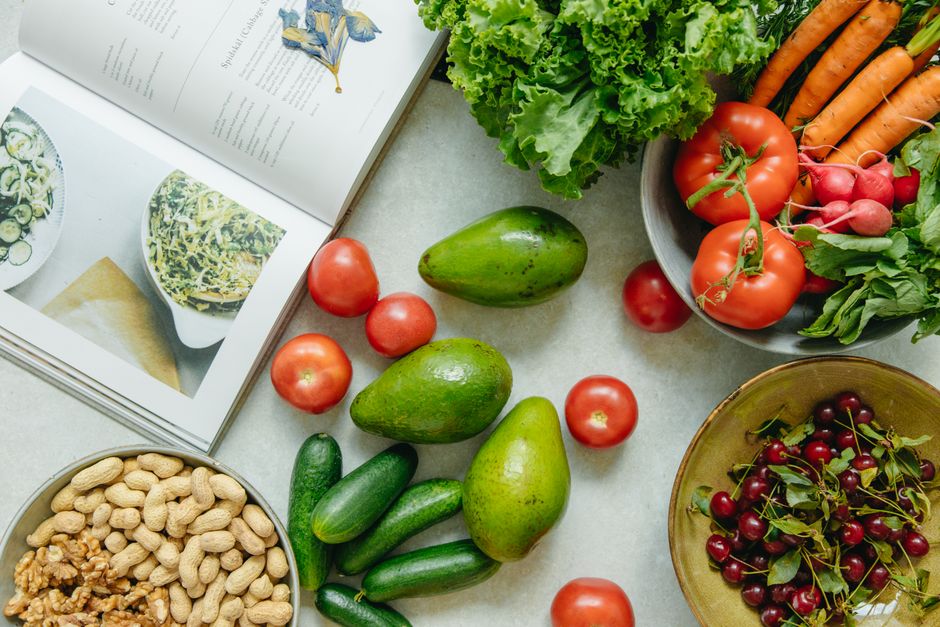
Mediterranean food is a way of eating based on the traditional diets of countries that border the Mediterranean Sea, like Greece, Italy, and Spain. It is healthy because it centers on plant foods, healthy fats like olive oil, and fish, while limiting red meat and processed foods. Decades of research link this eating pattern to a lower risk of heart disease, type 2 diabetes, and other chronic conditions.
What Is Mediterranean Food And Why Is It Healthy?
Mediterranean food is not one single diet. It is a collection of eating habits shared by people in different countries around the Mediterranean basin. These countries include Greece, Italy, Spain, southern France, and parts of the Middle East and North Africa. Even though each region has its own dishes, they share a common foundation.
The foundation is plant-based. Vegetables, fruits, legumes, nuts, seeds, and whole grains make up the bulk of meals. Olive oil is the main source of added fat. Fish and seafood appear regularly. Poultry, eggs, and dairy appear in moderate amounts. Red meat and sweets are eaten rarely, often only a few times per month.
This pattern is healthy because it delivers a high intake of fiber, antioxidants, and unsaturated fats while limiting saturated fat, added sugar, and heavily processed ingredients. Research consistently shows that people who follow this eating pattern have lower rates of heart disease, stroke, and type 2 diabetes.
What Foods Are Actually In A Mediterranean Diet?
If you want to eat this way, the grocery list is simple. Most of it comes from the outer aisles of the store where fresh food lives.
- Vegetables: tomatoes, leafy greens, peppers, eggplant, zucchini, cucumbers
- Fruits: citrus, grapes, figs, melon, apples
- Whole grains: whole wheat bread, oats, brown rice, farro, bulgur
- Legumes: lentils, chickpeas, white beans, fava beans
- Nuts and seeds: almonds, walnuts, pistachios, sesame seeds
- Healthy fats: extra virgin olive oil, olives, avocados
- Fish and seafood: salmon, sardines, mackerel, shrimp, mussels
- Dairy in moderation: yogurt, feta cheese, goat cheese
- Herbs and spices: oregano, basil, rosemary, garlic, cumin
Red meat, processed meats like bacon and salami, sugary drinks, and refined grains like white bread are not staples. They are occasional foods, not daily foods.
One important detail: the Mediterranean diet is not a low-fat diet. It is a moderate-fat diet where the fat comes mostly from plants. Extra virgin olive oil is used generously in cooking and as a finishing oil on salads and vegetables.
What Does The Research Actually Show?
The Mediterranean diet is one of the most studied eating patterns in the world. The evidence for its health benefits is strong, especially for heart health.
The most famous research on this topic is the PREDIMED study, a large Spanish trial published in the New England Journal of Medicine. It found that people assigned to a Mediterranean diet with extra virgin olive oil or nuts had a significantly lower risk of major cardiovascular events like heart attack and stroke compared to people on a low-fat diet. The trial was stopped early because the benefits were so clear that it was considered unethical to continue the low-fat group.
Beyond heart disease, research suggests benefits for other conditions. Studies have linked the Mediterranean diet to a lower risk of type 2 diabetes, partly because it helps with weight management and improves insulin sensitivity. Some research also indicates a lower risk of cognitive decline in older adults, though this evidence is less definitive than the heart data.
It is worth noting that the Mediterranean diet is not a weight loss diet in the traditional sense. People do not necessarily lose weight on it unless they also reduce total calorie intake. The benefit is more about improving metabolic health and reducing disease risk over the long term.



How Does Olive Oil Fit Into The Picture?
Extra virgin olive oil is the signature fat of the Mediterranean diet. It deserves special attention because it is not just a source of calories.
Olive oil is high in monounsaturated fat, specifically oleic acid. This type of fat is associated with better cholesterol profiles. But the more interesting part is the polyphenols. Extra virgin olive oil contains plant compounds with anti-inflammatory and antioxidant properties. These compounds are largely removed during refining, which is why extra virgin olive oil is the recommended choice.
In the PREDIMED trial, the group using extra virgin olive oil had the strongest protection against cardiovascular events. Participants were instructed to use at least four tablespoons per day. That is a substantial amount, and it worked.
One clarification: olive oil is still a fat. It contains about 120 calories per tablespoon. Replacing other fats with olive oil is healthy. Adding olive oil on top of an already high-calorie diet will not produce benefits and may lead to weight gain.
Is This The Same As A Traditional Greek Or Italian Diet?
Not exactly. The Mediterranean diet as studied in research is a somewhat idealized version of what people actually ate in the mid-20th century.
In the 1950s and 1960s, researchers noticed that people in Greece, Italy, and Spain had lower rates of heart disease than people in the United States and northern Europe. Their diets were plant-heavy simply because meat was expensive and not always available. They ate what they could grow or catch. This was not a deliberate health choice. It was economic reality.
Modern Mediterranean countries have changed. Fast food, processed snacks, and sugary drinks are now common in Greece and Italy. Obesity rates have risen in these countries. The traditional Mediterranean diet is partly a historical pattern, not necessarily what people eat today.
What researchers study is a dietary pattern based on that historical way of eating. When you read about the Mediterranean diet in health articles, it refers to this pattern, not to the current eating habits of people in Mediterranean countries.
How Do You Start Eating This Way?
You do not need to live near the sea or shop at specialty stores. The Mediterranean diet is practical and flexible.
Start with vegetables. Make them the center of your plate at lunch and dinner. Add a serving of legumes a few times per week. Swap butter for extra virgin olive oil in cooking. Choose whole grain bread and pasta instead of white versions. Eat fish at least twice per week, especially oily fish like salmon or sardines. Keep red meat for special occasions rather than weekly meals.
Snacks can be nuts, fruit, or yogurt. Desserts can be fresh fruit rather than baked goods. Herbs and spices replace salt as flavoring.
There is no strict set of rules. The Mediterranean diet is a pattern, not a prescription. You can adapt it to your preferences and your budget. Canned fish, frozen vegetables, and dried beans are all acceptable and affordable options.
A common mistake is adding Mediterranean foods to an otherwise unhealthy diet. Eating a salad with olive oil and then having a cheeseburger does not make your diet Mediterranean. The benefit comes from the overall pattern of eating, not from individual foods.
Frequently Asked Questions
Is the Mediterranean diet expensive?
It can be affordable if you rely on staples like beans, lentils, whole grains, and seasonal vegetables. Canned fish and frozen produce are budget-friendly options that still fit the pattern.
Can I follow the Mediterranean diet if I do not eat fish?
Yes, you can follow a vegetarian or vegan version by getting protein from legumes, nuts, and whole grains. You would miss the omega-3 fats from fish, but the overall plant-based pattern still provides significant health benefits.
How much olive oil should I use each day?
The PREDIMED trial used about four tablespoons of extra virgin olive oil daily, but that amount was part of a controlled research setting. In everyday practice, using olive oil as your main cooking fat and dressing is a reasonable approach.
Does the Mediterranean diet help with weight loss?
The Mediterranean diet is not specifically a weight loss diet, but it can support weight management because it is high in fiber and low in processed foods. You still need to watch portion sizes and total calorie intake to lose weight.
