
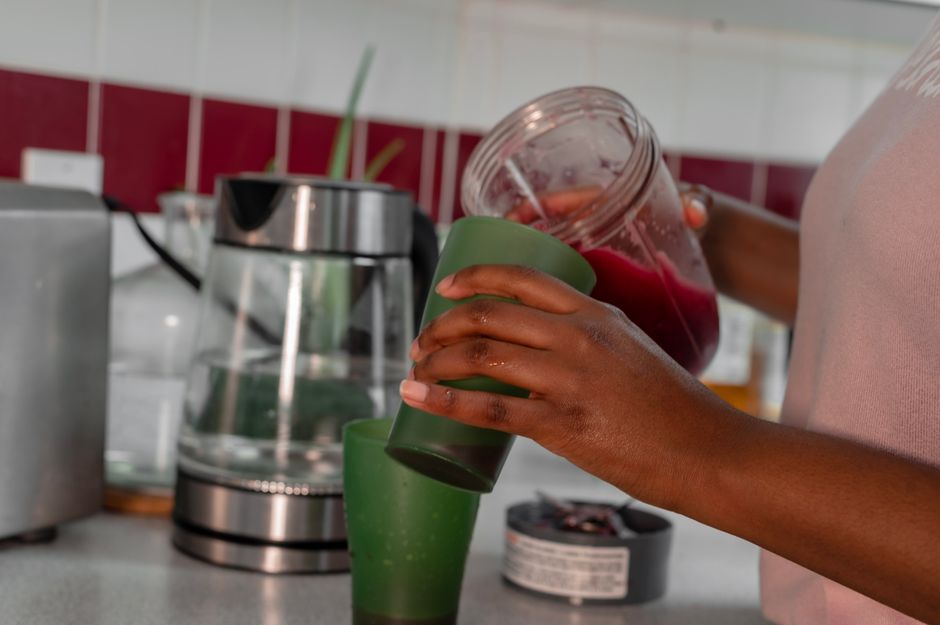
A liquid diet means replacing solid food with liquids for a set period. Some versions allow only clear fluids like broth and juice. Others include thicker drinks like protein shakes and smoothies. The main risks are missing key nutrients and losing muscle mass, so most liquid diets should only last a few days unless a doctor supervises them. The safest approach is to know which type of liquid diet you need, what nutrients it lacks, and how to add them back when you stop.
What Is a Liquid Diet Exactly?
A liquid diet is a meal plan where everything you consume is liquid at room temperature. There are two main types: clear liquid diets and full liquid diets.
A clear liquid diet includes only transparent fluids. Think water, apple juice, clear broth, plain gelatin, and black coffee or tea. This type is usually short-term, often before a medical procedure or after surgery on the digestive tract.
A full liquid diet allows anything liquid or that melts at room temperature. That includes milk, yogurt drinks, smoothies, strained soups, milkshakes, and liquid meal replacements. Doctors often use this after dental work or for people who have trouble chewing or swallowing.
There is also a third category: commercial liquid diets for weight loss. These are not the same as medically ordered liquid diets. They replace meals with shakes or soups and are meant to create a calorie deficit. Some are safe for a few weeks under supervision. Others are poorly balanced and should not be continued long-term.
Who Actually Needs a Liquid Diet?
Most people who follow a liquid diet do so for medical reasons. If you are preparing for a colonoscopy, your doctor will tell you to stick to clear liquids for one to three days. This keeps the digestive tract empty so the exam is accurate.
After gastrointestinal surgery, a full liquid diet gives your intestines time to heal without the work of digesting solid food. People with severe pancreatitis, Crohn’s disease flares, or bowel obstructions may also need temporary liquid nutrition.
Dental procedures, jaw surgery, or severe mouth pain can make chewing impossible. In these cases, a full liquid diet prevents weight loss while you recover.
Some people choose liquid diets for rapid weight loss. This is where caution matters most. Liquid meal replacements can produce quick results on the scale, but much of that loss is water weight and glycogen. Fat loss happens more slowly. The evidence does not support liquid-only diets as a sustainable long-term weight management strategy.
What Nutrients Are Missing on a Liquid Diet?
Liquid diets are naturally low in several critical nutrients. Fiber is the most obvious one. Whole grains, fruits, and vegetables are the main fiber sources, and they are all off the menu. Without fiber, bowel movements slow down or stop entirely.
Protein is another concern. Clear liquids contain almost no protein. Full liquid diets can provide protein through milk, Greek yogurt drinks, or commercial shakes, but you need to be deliberate about it. The average adult needs roughly 0.8 grams of protein per kilogram of body weight per day. That baseline rises during illness or recovery.
Fat-soluble vitamins are also at risk. Vitamins A, D, E, and K require dietary fat for absorption. Many clear liquids have zero fat. Even some full liquid diets rely on low-fat products that do not deliver enough fat to absorb these vitamins properly.
Minerals like calcium, magnesium, and potassium often fall short too. Unless you are using a balanced meal replacement shake, you will likely miss these. This matters most for people with existing deficiencies or those on the diet for more than a few days.
One non-obvious detail: liquid diets change your gut bacteria. Fiber feeds beneficial bacteria in the colon. Without fiber, those populations shrink. When you return to solid food, you may experience bloating or digestive discomfort until the microbiome recovers.





How to Do a Liquid Diet Safely
If your doctor has ordered a liquid diet, follow their instructions exactly. If you are doing one on your own, keep it short. Three days or fewer is the safest window for unsupervised liquid diets.
For a clear liquid diet, focus on staying hydrated. Aim for small amounts frequently throughout the day rather than large volumes at once. Clear broth provides sodium, which helps maintain blood pressure. Plain gelatin provides some calories but minimal nutrition. Fruit juices without pulp offer carbohydrates for energy but little else.
For a full liquid diet, prioritize protein. Add milk, protein shakes, or strained soups made with pureed meat or beans. Greek yogurt thinned with milk is an excellent option. Commercial meal replacement shakes like those used in medically supervised weight loss programs are formulated to provide balanced nutrition in liquid form.
Do not stay on a clear liquid diet for more than a few days without medical supervision. Clear liquids simply cannot provide enough protein, calories, or micronutrients to sustain a person long-term. Even a full liquid diet becomes risky after one to two weeks without dietitian input.
Risks and Side Effects You Should Know
The most immediate risk is dehydration, but not for the reason most people think. Clear liquids like broth and juice do contain water. The problem is that without solid food, you lose electrolytes through normal kidney function. If you only drink water and juice, your sodium and potassium levels can drop too low.
Muscle loss is a longer-term risk. When your body does not get enough calories and protein, it breaks down muscle tissue for energy. This is especially concerning for older adults, who already lose muscle mass with age. Research consistently shows that rapid weight loss from very low-calorie liquid diets includes significant muscle loss alongside fat loss.
Gallstones are another documented complication. Rapid weight loss changes bile composition and can trigger gallstone formation. People who lose weight quickly on liquid diets have a higher risk of developing gallstones that require treatment.
Blood sugar swings are common. Many liquid diets are high in simple sugars from fruit juice and sweetened drinks. These cause rapid spikes and crashes in blood glucose. For people with diabetes, this can be dangerous. If you have diabetes, a liquid diet should only be done under medical supervision with medication adjustments.
Refeeding syndrome is a rare but serious risk. It occurs when someone who has been severely undernourished suddenly receives food again. The body’s electrolyte balance shifts dramatically, which can cause heart rhythm problems. This is mainly a concern for people who have been on very low-calorie diets for weeks, not days.
How to Transition Back to Solid Food
Going back to solid food requires the same patience as starting the diet. Your digestive system has been working less, and your stomach may have shrunk in capacity. Jumping straight to a heavy meal can cause nausea, cramping, or diarrhea.
Start with soft, easily digestible foods. Mashed potatoes, oatmeal, scrambled eggs, ripe bananas, and cooked vegetables are good first choices. Eat small portions every few hours rather than three large meals.
Add fiber back gradually. Your gut bacteria need time to rebuild their populations. Sudden high-fiber intake after a liquid diet can cause severe bloating and gas. Introduce one new food group every day or two.
Pay attention to how your body responds. If certain foods cause discomfort, wait a few more days before trying them again. The transition period usually lasts two to three days for short liquid diets. For longer ones, it may take a week or more.
What About Liquid Detox Diets and Cleanses?
Liquid detox diets claim to flush toxins from your body. This is not supported by medical evidence. Your liver and kidneys already remove waste products continuously. No liquid diet enhances this process.
The term “detox” in this context is marketing language, not a medical description. Juice cleanses, lemon water fasts, and similar products do not have clinical trials showing they remove toxins or improve health. What they do provide is a severe calorie deficit, which explains the rapid weight loss people report.
Some people feel better after a juice cleanse. That may be because they are eating fewer processed foods and more vitamins from produce. But the same benefits can come from adding vegetables to a normal diet without the risks of extreme calorie restriction.
If you are considering a detox liquid diet, the honest position is that no clinical evidence confirms its benefits. The risks are real: nutrient deficiencies, muscle loss, and blood sugar instability. Your money is better spent on regular meals with plenty of whole foods.
When to See a Doctor Before Starting
Certain groups should never start a liquid diet without medical evaluation. Pregnant women need more calories and nutrients than a liquid diet can provide. Children should not be placed on liquid diets unless a doctor orders it for a specific medical reason. Older adults are at higher risk of muscle loss and electrolyte imbalances.
People with diabetes, kidney disease, or heart conditions need careful monitoring. Liquid diets change how the body handles fluids, electrolytes, and medications. Doses may need adjustment.
Anyone taking prescription medications should check whether those medications require food for proper absorption. Some drugs are harsh on an empty stomach. Others need dietary fat to work correctly.
If you experience dizziness, severe weakness, chest pain, or confusion while on a liquid diet, stop and seek medical attention. These can be signs of electrolyte imbalance or inadequate calorie intake.
Frequently Asked Questions
How long can you safely stay on a liquid diet?
Medically supervised liquid diets can last weeks, but unsupervised liquid diets should not exceed three days. Clear liquid diets are especially limited because they lack protein and essential nutrients.
Can you lose weight on a liquid diet?
Yes, weight loss happens quickly because liquid diets are usually low in calories. However, some of the loss is water weight and muscle, and the weight often returns when you resume normal eating.
What can you drink on a clear liquid diet?
Water, clear broth, apple juice, white grape juice, plain gelatin, and black coffee or tea are allowed on a clear liquid diet. Anything you cannot see through is not permitted.
Is a liquid diet safe for everyone?
No. Pregnant women, children, older adults, and people with diabetes or kidney disease should not start a liquid diet without medical supervision. Always check with your doctor first.
