
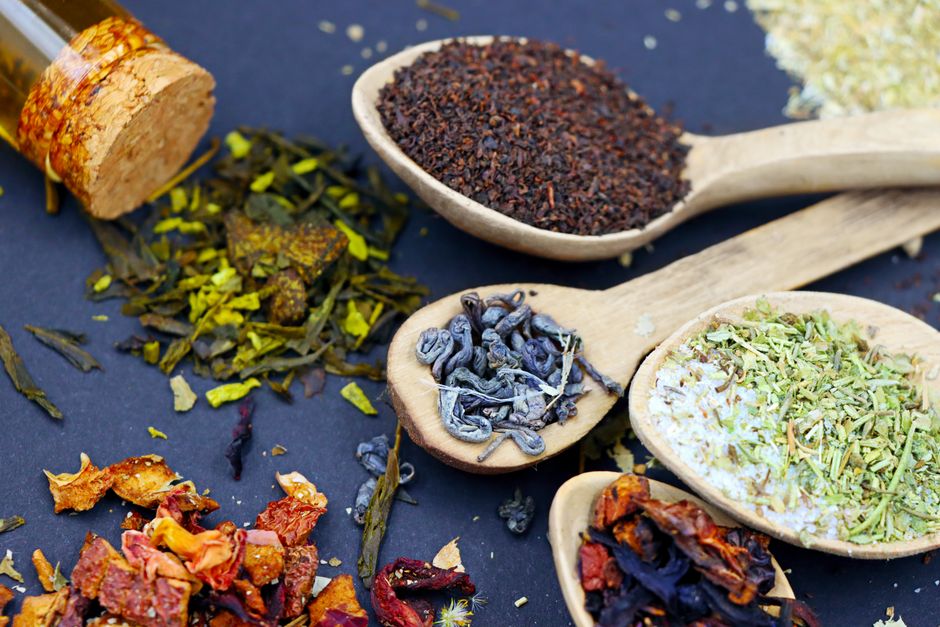
Jasmine tea is almost always green tea, but it does not have to be. The name “jasmine tea” refers to how the tea is scented, not the type of tea leaf used. Most jasmine tea you find in stores starts with green tea leaves, but some versions use white or black tea instead.
What Exactly Is Jasmine Tea?
Jasmine tea is tea leaves that have been scented with jasmine flowers. The process is traditional and comes from China. Fresh jasmine blossoms are layered with tea leaves overnight. The leaves absorb the floral scent. This is repeated several times for stronger aroma.
The base tea is almost always green tea. Specifically, it is often a Chinese green tea called “mocha” or “chaozhou.” These green teas have a mild flavor that takes on the jasmine scent well. The jasmine does not overpower the tea. It adds a gentle floral note.
Some premium jasmine teas use white tea as the base. A small number use black tea. But if you buy a box labeled “jasmine tea” at a grocery store, it is almost certainly green tea. The CDC does not track jasmine tea consumption, but the Tea Association of the USA reports that green tea makes up about 15 percent of all tea consumed in the United States. Jasmine green tea is a popular subset of that.
Is Jasmine Tea Green Tea or Herbal Tea?
Jasmine tea is not herbal tea. Herbal tea, also called tisane, contains no leaves from the Camellia sinensis plant. Jasmine tea does contain those leaves. The jasmine flowers only add scent. The actual tea leaves are still present in the bag or loose leaf mix.
This matters for caffeine content. Herbal teas like chamomile or peppermint have no caffeine. Jasmine tea has caffeine because it contains real tea leaves. A typical cup of jasmine green tea has about 25 to 40 milligrams of caffeine. That is roughly half the caffeine of a cup of coffee.
Some people mistake jasmine tea for herbal because of the flower name. That is incorrect. If it says “jasmine green tea” on the box, it is caffeinated. If you want a caffeine-free jasmine drink, you need a blend labeled “herbal” that uses jasmine flavoring but no actual tea leaves.
Is Jasmine Tea Green Tea Healthier Than Regular Green Tea?
Research shows that jasmine tea has the same health benefits as the green tea it is made from. The jasmine scenting process does not remove or add significant nutrients. A study published in the Journal of Agricultural and Food Chemistry found that the antioxidant levels in jasmine green tea are comparable to those in unscented green tea.
The main health compounds in green tea are catechins, especially epigallocatechin gallate (EGCG). These antioxidants help protect cells from damage. The jasmine flowers themselves contain some antioxidants too, but the amount is small compared to the tea leaves.
Drinking jasmine green tea may support heart health and brain function. The evidence for these benefits comes from green tea research, not jasmine tea specifically. The American Heart Association notes that regular green tea consumption is linked to lower risk of cardiovascular disease. Jasmine green tea counts the same way.
One difference is that jasmine tea may encourage you to drink more tea overall. People often find floral teas more pleasant than plain green tea. If you drink more because you like the taste, that is a real health benefit.



Does Jasmine Tea Green Tea Have Caffeine?
Yes, jasmine green tea contains caffeine. The amount depends on the specific green tea base and how it is brewed. A typical 8-ounce cup of jasmine green tea has between 25 and 40 milligrams of caffeine. For comparison, black tea has 40 to 70 milligrams, and coffee has 95 to 200 milligrams.
Brewing time affects caffeine content. Steeping for three minutes gives you the lower end of that range. Steeping for five minutes extracts more caffeine. Water temperature also matters. Hotter water extracts more caffeine. Standard brewing with boiling water for three to four minutes is typical.
| Beverage | Caffeine (8 oz cup) |
|---|---|
| Jasmine green tea | 25–40 mg |
| Regular green tea | 20–45 mg |
| Black tea | 40–70 mg |
| Coffee | 95–200 mg |
| Herbal tea | 0 mg |
If you are sensitive to caffeine, jasmine green tea is a moderate option. It has less caffeine than coffee but more than most herbal teas. Some people report that the L-theanine in green tea smooths out the caffeine effect. L-theanine is an amino acid that promotes calm alertness. It does not remove caffeine, but it may reduce jitters.
Is Jasmine Tea Green Tea Always Scented the Same Way?
No, the quality of jasmine tea varies widely. Traditional jasmine tea is scented multiple times with fresh flowers. High-grade jasmine tea may be scented six to eight times. Each round uses new blossoms. The tea leaves absorb the scent gradually. This process takes days.
Lower-grade jasmine tea uses artificial jasmine flavoring or essential oils. These teas are cheaper and faster to produce. The flavor is often stronger and less natural. Some people describe artificial jasmine tea as perfumey or soapy. Traditional jasmine tea has a light, sweet, natural floral taste.
To tell the difference, read the ingredients list. Real jasmine tea lists “jasmine flowers” or “jasmine blossoms” as an ingredient. Artificial jasmine tea lists “natural flavors” or “jasmine flavor.” Both are safe to drink, but the experience is different.
Another clue is the tea leaf quality. High-grade jasmine tea uses whole tea leaves or buds. Lower grades use broken leaves or fannings, which are small particles left over from processing. Whole leaves produce a smoother, more complex flavor.
How Should You Brew Jasmine Tea Green Tea?
Brewing jasmine green tea properly makes a noticeable difference. Use water that is below boiling. Green tea leaves are delicate. Boiling water can make them bitter. The ideal water temperature is 170 to 180 degrees Fahrenheit. If you do not have a thermometer, let boiling water sit for one to two minutes before pouring.
Steep for two to four minutes. Longer steeping extracts more bitterness. Start with three minutes and adjust to your taste. Use about one teaspoon of loose leaf tea or one tea bag per eight ounces of water.
- Use fresh, filtered water if possible. Tap water with strong chlorine or mineral taste affects the flavor.
- Do not add milk. Green tea and milk do not mix well. The milk can curdle and mask the floral notes.
- Honey or sugar is optional but not traditional. Many people prefer jasmine tea plain.
- Loose leaf jasmine tea generally tastes better than bagged tea. The leaves have more room to expand.
Jasmine tea can be brewed multiple times. The second and third steepings often have a milder, sweeter flavor. Increase steeping time by 30 seconds for each subsequent cup.
Common Misconceptions About Jasmine Tea Green Tea
Some people believe jasmine tea is a weight loss miracle. This is overhyped. Green tea can slightly increase metabolism, but the effect is small. A review of studies in the Cochrane Database of Systematic Reviews found that green tea catechins may cause a modest weight loss of about one to two pounds over several months. That is not a dramatic result. Jasmine tea is not a substitute for diet and exercise.
Another myth is that jasmine tea is always caffeine-free because it has flowers in the name. As explained earlier, that is false. The tea leaves contain caffeine. Only herbal jasmine blends without actual tea leaves are caffeine-free.
Some people also think jasmine tea must be expensive or exotic. It is not. Many grocery stores carry jasmine green tea bags for a reasonable price. Loose leaf versions cost more but are still affordable. The price reflects the quality of the tea leaves and the scenting process, not the health benefits.
Finally, there is no evidence that jasmine tea cures any disease. Some online sources claim it prevents cancer or treats infections. As of 2026, there is no clinical evidence supporting those claims. Green tea has antioxidant properties that may reduce cancer risk, but no specific study shows jasmine tea alone has that effect.
Frequently Asked Questions
Is jasmine tea always made from green tea?
No, but most jasmine tea uses green tea as the base. Some versions use white or black tea, but green tea is the most common.
Does jasmine green tea have caffeine?
Yes, jasmine green tea contains 25 to 40 milligrams of caffeine per cup because it contains real tea leaves.
Is jasmine tea healthier than regular green tea?
The health benefits are essentially the same. The jasmine scenting process does not significantly change the antioxidant content.
Can you drink jasmine tea if you are avoiding caffeine?
Only if you buy a caffeine-free herbal blend. Standard jasmine green tea contains caffeine from the tea leaves.
