
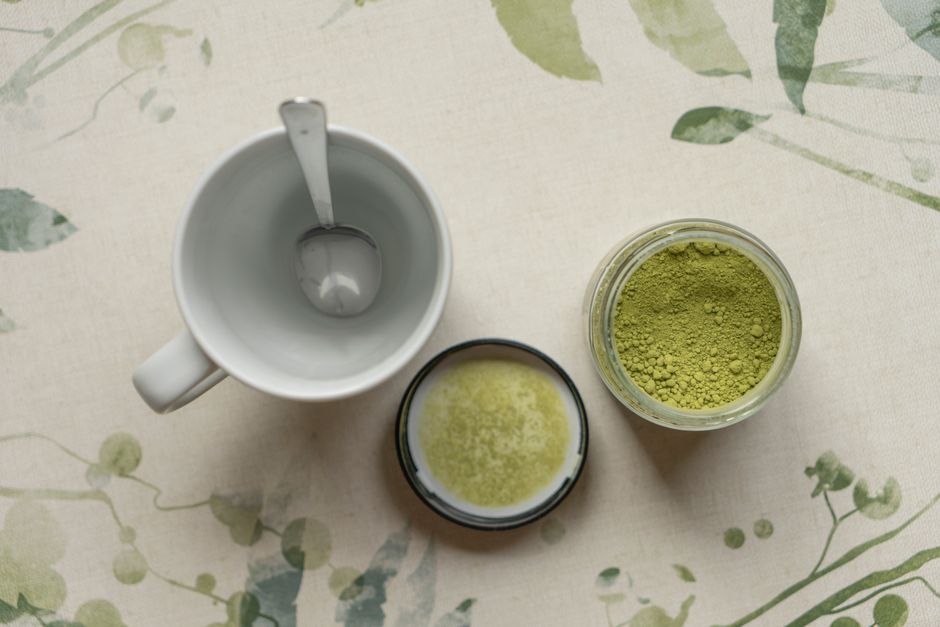
Matcha is a type of green tea made from shade-grown tea leaves that are ground into a fine powder. Unlike regular green tea, you consume the entire leaf when you drink matcha, which means you get a more concentrated dose of its nutrients. Research consistently shows that matcha is healthy, offering a rich source of antioxidants, particularly catechins, which are linked to several health benefits. However, the healthiest way to consume matcha is plain, without added sweeteners or dairy, and it does contain caffeine, which affects some people more than others.
What Makes Matcha Different From Regular Green Tea?
The key difference comes down to how it is grown and how it is consumed. Tea plants destined for matcha are shaded from direct sunlight for about three weeks before harvest. This shading increases the production of chlorophyll, giving matcha its vibrant green color, and boosts the amino acid L-theanine. L-theanine is known for promoting relaxation without drowsiness.
When you brew a standard cup of green tea, you steep the leaves in hot water and then discard them. With matcha, you whisk the powder directly into water and drink the whole leaf. This means you ingest every compound the leaf contains. Some research suggests this provides a higher concentration of certain antioxidants, such as epigallocatechin gallate (EGCG), compared to steeped green tea.
Is Matcha Green Tea Healthy for Antioxidant Intake?
Yes. Matcha is exceptionally high in catechins, a type of flavonoid that acts as an antioxidant. Antioxidants help neutralize harmful free radicals in the body, which are unstable molecules that can damage cells and contribute to chronic disease. The most studied catechin in matcha is EGCG, which has been the focus of many laboratory and animal studies for its potential anti-inflammatory and anti-cancer properties.
It is important to be clear about what these studies show. The evidence for EGCG’s anti-cancer effects comes largely from test-tube and animal research. These studies do not prove that drinking matcha prevents cancer in humans. The evidence is promising, but it is not conclusive. What is more established is that a diet rich in antioxidants from plant foods is associated with lower rates of chronic disease.
Can Matcha Improve Focus and Calmness?
Matcha contains a unique combination of caffeine and L-theanine. A regular cup of matcha contains roughly a third of the caffeine of a cup of coffee, but the effects are different. Caffeine is a stimulant that can improve alertness and focus. L-theanine is an amino acid that promotes relaxation and reduces anxiety.
Studies suggest that L-theanine, when taken alongside caffeine, can improve attention and reaction time. Some participants in these studies report feeling more focused and less jittery than they do after drinking coffee. This combination is sometimes described as producing a “calm alertness.” The effect is real, but the degree varies from person to person. If you are sensitive to caffeine, matcha can still cause anxiety or sleep problems, especially if consumed in the afternoon or evening.





Does Matcha Support Heart Health?
Some research indicates that green tea consumption is associated with a lower risk of cardiovascular disease. The mechanisms are thought to involve improvements in cholesterol levels and blood pressure. Studies have found that regular consumption of green tea can lead to modest reductions in LDL cholesterol, which is the “bad” cholesterol, and may support healthy blood vessel function.
Again, the strength of this evidence matters. Observational studies show a link between green tea drinkers and better heart health, but they cannot prove cause and effect. People who drink green tea regularly may also have other healthy habits. Clinical trials have shown small but measurable improvements in cholesterol and blood pressure, but matcha is not a treatment for heart disease. It is best viewed as one component of a heart-healthy diet.
Does Matcha Help With Weight Management?
Matcha is frequently marketed as a weight-loss aid, and the claims often outpace the science. Green tea catechins, particularly EGCG, have been studied for their ability to slightly increase metabolism and fat burning. Some small studies show that green tea extract can increase energy expenditure by a small amount. The effect is real but modest.
No study has shown that drinking matcha alone causes significant weight loss. Any effect on metabolism is small and easily offset by the calories in a sweetened matcha latte. A typical café matcha latte with milk and syrup can contain 200 to 300 calories or more. If you are drinking matcha for weight management, the plain powdered form whisked into hot water is the only version that aligns with that goal.
Are There Any Risks or Side Effects of Drinking Matcha?
Yes, there are a few important considerations. The first is caffeine. A standard serving of matcha contains about 60 to 70 milligrams of caffeine, which is less than coffee but more than regular green tea. For people who are sensitive to caffeine, this can cause insomnia, a racing heart, or digestive upset.
The second concern is potential contaminants. Because matcha is made from the whole leaf, it can absorb heavy metals like lead from the soil. Some independent testing has found trace amounts of lead in matcha products, though levels vary by brand and growing region. Regulatory limits exist for lead in tea leaves, but not all products are tested equally. Buying matcha from reputable brands that publish third-party testing results for heavy metals is a reasonable precaution.
A third consideration is the source of the matcha. Some matcha products are grown in regions where soil quality is tightly regulated, while others are not. The Japanese tea industry has strict standards for many of its products. If you are concerned, look for matcha that specifies its origin and testing practices.
Is Matcha Green Tea Healthy Compared to Coffee?
Both matcha and coffee are healthy beverages when consumed without added sugar or cream. The choice depends on your personal tolerance and goals. Coffee has a higher caffeine content per cup, which can be beneficial for alertness but problematic for those prone to anxiety. Matcha provides a smaller, steadier caffeine release due to the presence of L-theanine, which many people find more comfortable.
Coffee is also rich in antioxidants, particularly chlorogenic acid, which has been linked to a reduced risk of type 2 diabetes in observational studies. Matcha offers a different set of polyphenols. Neither drink is superior across the board. If you are pregnant, you should limit total caffeine intake, and both beverages count toward that limit. Current guidelines generally recommend that pregnant women keep caffeine intake below 200 milligrams per day, which is roughly one cup of coffee or two to three cups of matcha.
How Much Matcha Should You Drink Per Day?
There is no official guideline that specifies a safe or optimal daily dose of matcha. Clinical trials on green tea catechins often use doses that are much higher than what a person would typically drink. A common serving of matcha is one to two teaspoons of powder per cup, and drinking one to two cups per day is generally considered safe for most healthy adults.
Because no official recommendation exists for matcha specifically, it is wise to use moderation. If you are new to matcha, start with a half teaspoon to see how your body responds. Pay attention to how the caffeine affects you. If you have a medical condition or take medication, especially for blood pressure or anxiety, talk to your doctor before making matcha a daily habit.
Frequently Asked Questions
Is it okay to drink matcha every day?
Yes, for most healthy adults, one to two cups per day is generally safe. Monitor your caffeine tolerance and choose a brand that tests for heavy metals.
Does matcha have more caffeine than coffee?
No. A standard cup of matcha contains about 60 to 70 milligrams of caffeine, while a cup of brewed coffee contains roughly 95 milligrams.
Can matcha help you lose weight?
The effect is small. Some studies show green tea catechins can slightly increase metabolism, but no evidence suggests matcha alone causes significant weight loss.
Is matcha safe during pregnancy?
Matcha contains caffeine, and pregnant women are generally advised to keep total daily caffeine intake below 200 milligrams. One cup of matcha fits within that limit, but you should confirm with your healthcare provider.
