
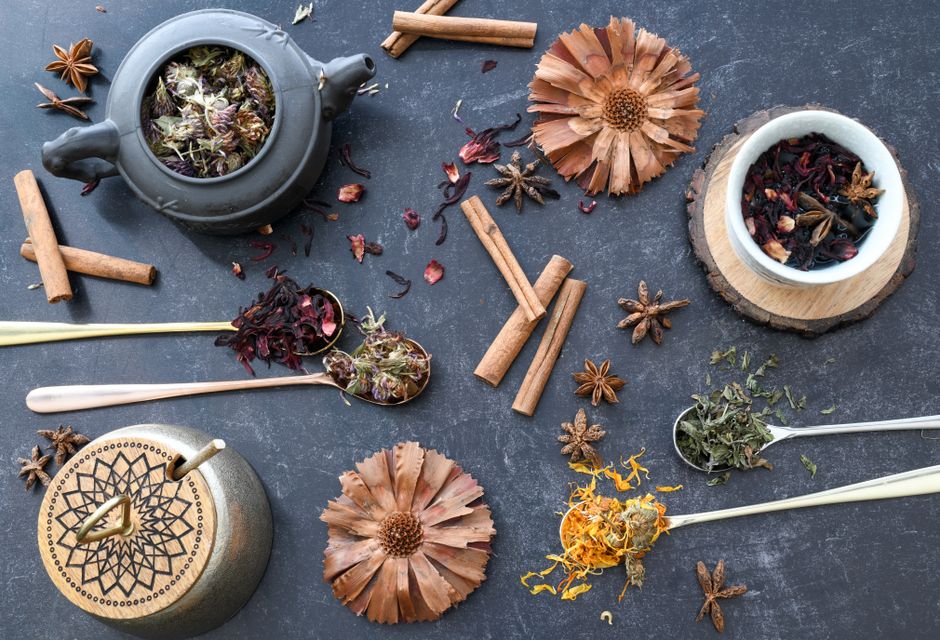
Chai is more than just a spiced tea latte from your local coffee shop. At its core, chai is a blend of black tea, milk, sweetener, and a mix of warming spices like cinnamon, cardamom, ginger, cloves, and black pepper. What makes it good for you comes down to these spices, which have been used in traditional medicine for centuries. Research supports that the ingredients in a properly made cup of chai can aid digestion, reduce inflammation, and support heart health, though the sugar and milk content matters a lot.
What Are the Health Benefits of Chai Tea?
The health benefits of chai come almost entirely from its spice blend, not the tea or milk. Each spice brings something specific to the table. Cinnamon is well-studied for its ability to help lower blood sugar levels. A 2013 study in the Annals of Family Medicine found that taking cinnamon reduced fasting blood glucose by an average of 10.3 mg/dL in people with type 2 diabetes. Ginger is a proven anti-inflammatory agent. Research published in the Journal of Pain showed that ginger reduced muscle pain by 25 percent after exercise. Cardamom has been shown in animal studies to protect against liver damage and lower blood pressure. Cloves are packed with antioxidants, which neutralize harmful free radicals in your body. Black pepper contains piperine, a compound that helps your body absorb other nutrients and spices more effectively. When you drink chai, you get all these compounds in one cup. The black tea base also provides antioxidants called catechins and theaflavins. These compounds support heart health by improving blood vessel function. A study in the European Journal of Clinical Nutrition found that drinking three cups of black tea per day reduced blood pressure by 2 to 3 mmHg. That is a modest but meaningful change. The key takeaway is that the benefit depends on the spice quality and quantity. A chai made from a powder mix with sugar as the first ingredient will not give you these effects.
Is Chai Good for Digestion?
Yes, chai has a strong traditional reputation as a digestive aid, and the evidence backs this up. Ginger is the main driver here. Ginger accelerates gastric emptying, meaning it helps food leave your stomach faster. A 2008 study in the World Journal of Gastroenterology found that ginger sped up stomach emptying by about 16 percent in people with functional dyspepsia. This is why ginger tea is often recommended for nausea and indigestion. Cardamom also plays a role. In traditional Ayurvedic medicine, cardamom is used to soothe stomach cramps and reduce gas. Modern research is limited, but one small human study found that cardamom powder reduced symptoms of irritable bowel syndrome. Cloves have a mild numbing effect, which can calm an upset stomach. Black pepper stimulates digestive enzymes, helping your body break down food more efficiently. The combination of these spices creates a warming effect in the gut that many people find soothing. However, chai made with milk can be a problem for people who are lactose intolerant. If you are sensitive to dairy, the milk in chai can cause bloating and gas, which cancels out the digestive benefits. For better digestion, try chai made with water or a plant-based milk like oat or almond.
Does Chai Help with Inflammation?
Chronic inflammation is linked to nearly every major disease, including heart disease, diabetes, and arthritis. The spices in chai have anti-inflammatory properties that can help. Ginger contains gingerols and shogaols, which block inflammatory pathways in the body. A 2015 review in Arthritis concluded that ginger extract reduced pain and stiffness in people with osteoarthritis as effectively as ibuprofen in some studies. Cinnamon also reduces inflammation. A meta-analysis of 12 randomized controlled trials found that cinnamon supplementation lowered C-reactive protein, a key marker of inflammation, by an average of 0.42 mg/dL. Cloves are rich in eugenol, a compound that acts as a natural anti-inflammatory. One animal study found that eugenol reduced swelling in rats by up to 50 percent. Black pepper’s piperine has been shown to reduce inflammation in joint tissue. The spices work synergistically, meaning their combined effect is stronger than any single spice alone. That said, the amount of spice in a typical cup of chai is much lower than what is used in most studies. The studies on ginger and cinnamon use concentrated extracts or high doses of the powdered spice. A cup of chai might give you 1 to 2 grams of total spices. That is enough to have a mild effect, but it is not a replacement for medical treatment. If you have a chronic inflammatory condition, chai can be a helpful addition to your diet, not a cure.




Can Chai Improve Heart Health?
Several ingredients in chai support cardiovascular health. The black tea base contains flavonoids, specifically theaflavins and thearubigins. These compounds improve blood vessel function and reduce LDL cholesterol. A 2015 study in Food & Function found that drinking three cups of black tea daily for 12 weeks reduced LDL cholesterol by 11.1 percent in people with borderline high cholesterol. Cinnamon has been shown to lower total cholesterol and triglycerides. A 2017 meta-analysis of 10 studies found that cinnamon reduced triglycerides by an average of 22 mg/dL and total cholesterol by 15 mg/dL. Ginger also helps. A 2014 study in the Journal of Cardiovascular Pharmacology found that ginger extract reduced blood pressure in rats. Human studies are less conclusive, but the trend is positive. Cardamom has been studied for its blood pressure lowering effects. A 2015 study in the Indian Journal of Biochemistry & Biophysics found that taking 3 grams of cardamom powder daily for 12 weeks reduced systolic blood pressure by 7 mmHg in people with high blood pressure. Black pepper improves the absorption of these beneficial compounds. The problem is that many chai recipes include a lot of sugar. A 16-ounce chai latte from a coffee shop often contains 30 to 50 grams of sugar. That is more than the American Heart Association’s recommended daily limit for added sugar. The sugar can raise triglycerides and contribute to weight gain, which harms heart health. To get the heart benefits, make chai at home with minimal sweetener or none at all.
What Is Chai Good For in Terms of Energy and Focus?
Chai contains caffeine from the black tea base. A typical cup of chai has about 40 to 60 milligrams of caffeine, roughly half the amount in a cup of coffee. This is enough to improve alertness and focus without causing the jitters that some people experience with coffee. The L-theanine in black tea also helps. L-theanine is an amino acid that promotes relaxation while maintaining alertness. It works synergistically with caffeine to produce a calm, focused state. The spices in chai may also support cognitive function. Cinnamon has been shown in animal studies to improve memory and learning. A 2016 study in the Journal of Neuroimmune Pharmacology found that cinnamon extract reduced cognitive decline in mice with Alzheimer’s disease. Ginger has been studied for its ability to improve reaction time and working memory. One small human study found that taking ginger extract improved attention and cognitive processing speed in healthy adults. The combination of caffeine and spices makes chai a good choice for a mid-morning or early afternoon pick-me-up. It provides steady energy without the crash that often follows a high-sugar energy drink or a large cup of coffee. However, if you are sensitive to caffeine, chai can disrupt sleep. A cup of chai in the late afternoon may keep you awake at night. Stick to one or two cups before 2 PM if you have sleep issues.
What Should You Avoid When Drinking Chai for Health?
The health benefits of chai depend heavily on how it is made. Many commercial chai products are loaded with sugar and contain very little actual spice. A bottled chai concentrate from the grocery store often lists sugar as the first ingredient. These products can have 20 to 30 grams of sugar per serving. That amount of sugar negates any benefits from the spices. Another issue is the type of milk used. Traditional chai is made with whole milk, which adds saturated fat. A cup made with 2 percent milk adds about 5 grams of saturated fat. If you drink multiple cups a day, that can add up. Plant-based milks like oat or almond are lower in saturated fat. Some people are sensitive to the oxalates in black tea. Oxalates can contribute to kidney stone formation in people who are prone to them. If you have a history of kidney stones, limit your chai intake to one cup per day. The caffeine in chai can also cause problems for people with anxiety or acid reflux. Caffeine relaxes the lower esophageal sphincter, which can allow stomach acid to flow back into the esophagus. If you have GERD, chai made with milk and spices may actually worsen your symptoms. A simple way to avoid these issues is to make chai from scratch at home. Use loose leaf black tea, whole spices, and a small amount of milk. Sweeten it lightly with honey or skip the sweetener entirely. That way you control exactly what goes into your cup.
Comparison of Chai Ingredients and Their Health Effects
| Ingredient | Key Active Compounds | Primary Health Benefit | Evidence Level |
|---|---|---|---|
| Black tea | Theaflavins, L-theanine, caffeine | Heart health, focus, antioxidants | Strong – multiple human trials |
| Cinnamon | Cinnamaldehyde | Blood sugar control, anti-inflammatory | Strong – meta-analyses support |
| Ginger | Gingerols, shogaols | Digestion, nausea relief, pain reduction | Strong – clinical trials in humans |
| Cardamom | Terpenes, flavonoids | Blood pressure, digestive aid | Moderate – small human studies |
| Cloves | Eugenol | Antioxidant, anti-inflammatory | Moderate – animal and lab studies |
| Black pepper | Piperine | Nutrient absorption, anti-inflammatory | Moderate – human and animal studies |
| Milk | Calcium, protein, saturated fat | Bone health, energy | Mixed – depends on type and amount |
| Sugar | Sucrose, high fructose corn syrup | None | Negative – harms heart and metabolic health |
Common Misconceptions About Chai
One common myth is that chai is a detox drink. This is not supported by any evidence. Your liver and kidneys do the work of detoxification, not any food or drink. Chai spices have antioxidant properties, but they do not “flush toxins” from your body. Another misconception is that chai is low in calories. A homemade chai with milk and sugar can have 100 to 150 calories per cup. A coffee shop chai latte can have 200 to 350 calories. The calories come from the milk and sugar, not the spices. Some people believe that chai is always healthy because it contains “natural” ingredients. Natural does not automatically mean healthy. Sugar is natural, and it is still harmful in large amounts. The spices in chai are beneficial, but the overall health effect depends on the proportions. Another myth is that chai can cure colds or flu. The ginger and cloves in chai can soothe a sore throat and reduce inflammation, but they do not kill viruses. Drinking warm chai when you are sick can make you feel better, but it does not treat the infection. Finally, some people think that chai is a substitute for medication. If you have high blood pressure or diabetes, drinking chai is not a replacement for prescribed medication. It can be a supportive addition to a healthy diet, but it will not lower your A1C by 2 points on its own.
Frequently Asked Questions
Is chai good for weight loss?
Chai itself does not cause weight loss. The spices may slightly boost metabolism, but the effect is too small to matter. A chai with sugar and milk adds calories that can work against weight loss.
Can I drink chai every day?
Yes, one to two cups per day is safe for most people. Watch the sugar content and avoid drinking it late in the day if you are sensitive to caffeine.
Is chai healthier than coffee?
It depends on what you add to each. Black coffee has almost no calories. Chai has more antioxidants from the spices, but also more calories from milk and sweetener. Unsweetened chai is a good alternative.
Does chai have more caffeine than coffee?
No. Chai has about 40 to 60 milligrams of caffeine per cup. Coffee has about 95 milligrams per 8-ounce cup. Chai gives you a milder energy boost.
Can chai help with period cramps?
Some women report relief from ginger and cinnamon in chai. Studies show ginger can reduce menstrual pain. A cup of warm chai may provide mild comfort, but it is not a strong pain reliever.
