
Boron does not reliably increase testosterone in healthy men with normal mineral levels. The idea that boron is a natural testosterone booster comes from a handful of small studies, but the overall evidence is weak and inconsistent. Most men will not see a noticeable change in their testosterone from taking boron supplements.
What Does the Research on Boron and Testosterone Actually Show?
The science on boron and testosterone is thin. Very thin. A 2011 study published in the journal Trace Elements and Electrolytes found that giving 10 milligrams of boron daily for one week raised free testosterone in 12 men. Free testosterone is the form your body can actually use. This sounds promising until you look closer.
The men in that study were already low in boron. Their levels were below normal. When you correct a deficiency, things often return to normal. That is not the same as boosting someone who already has adequate levels. Think of it like vitamin D. Giving vitamin D to someone who is deficient will help. Giving it to someone with normal levels will not do much.
A 2015 study in Biological Trace Element Research looked at 19 men taking 6 milligrams of boron daily for 60 days. Researchers saw a small increase in free testosterone but no change in total testosterone. Total testosterone is what most blood tests measure. The increase in free testosterone was modest and the study was small.
As of 2026, no large, well-controlled clinical trial has confirmed that boron raises testosterone in healthy men. The studies that exist involve fewer than 50 total participants combined. That is not enough to draw strong conclusions.
How Does Boron Work in the Body?
Boron is a trace mineral. Your body needs it in very small amounts. You get it from foods like avocados, almonds, raisins, and prunes. It plays a role in how your body uses calcium, magnesium, and vitamin D.
Some researchers think boron might affect testosterone by influencing how your body breaks down hormones. Specifically, boron may slow down the breakdown of a compound called sex hormone-binding globulin, or SHBG. SHBG attaches to testosterone and makes it unavailable. If SHBG levels drop, more testosterone becomes free.
This mechanism makes sense on paper. But real-world evidence is limited. One study from 2011 found that 10 milligrams of boron daily for one week reduced SHBG levels in 12 men. But that study was small and short. No one has replicated it in a larger group over a longer period.
Boron also plays a role in bone health and brain function. The National Institutes of Health notes that boron may help with wound healing and how your body uses estrogen. But these effects are not well studied either.
Does Boron Increase Testosterone What Studies Show for Different Groups of Men?
Most studies on boron and testosterone involve healthy young men. That is a problem because results in one group do not always apply to another.
| Group | What the Evidence Shows |
|---|---|
| Healthy men with normal testosterone | No strong evidence boron raises testosterone. Small studies show mixed results. |
| Men with low testosterone | No good studies exist. We do not know if boron helps. |
| Men with boron deficiency | Correcting a deficiency may bring testosterone back to normal. That is different from boosting it above normal. |
| Men over 50 | No studies specifically in this age group. Testosterone naturally declines with age. Whether boron changes that is unknown. |
The table makes one thing clear. The evidence is not strong for any group. If you are a healthy man in your 30s or 40s with normal testosterone, the chance that boron will raise your levels is low. If you have low testosterone, do not expect boron to fix it.





What Is a Safe Dose of Boron and What Are the Side Effects?
Boron is generally safe in amounts found in food. The typical diet provides 1 to 3 milligrams per day. Supplement doses range from 3 to 20 milligrams.
The National Institutes of Health sets the tolerable upper intake level at 20 milligrams per day for adults. Going above that can cause problems. Side effects of too much boron include:
- Nausea and vomiting
- Diarrhea
- Skin rashes
- Headaches
- Fatigue
Serious boron poisoning is rare but possible. It happens at doses above 100 milligrams per day. Symptoms include seizures, kidney damage, and in extreme cases, death. Do not take more than 20 milligrams per day.
Boron can also interact with medications. It may affect how your body processes estrogen and testosterone. If you take hormone therapy or medications for thyroid conditions, talk to your doctor before taking boron supplements.
What Actually Works to Support Healthy Testosterone Levels?
If you want to support your testosterone levels, focus on what the science actually supports. These are not quick fixes. They are lifestyle changes that have real evidence behind them.
Sleep is the biggest factor. Research published in the Journal of the American Medical Association found that getting only 5 hours of sleep per night for one week reduced testosterone by 10 to 15 percent. Aim for 7 to 9 hours of quality sleep each night.
Body fat matters too. Excess fat, especially around the belly, converts testosterone into estrogen. Losing weight can help bring levels back up. The American Heart Association recommends a balanced diet and regular physical activity for weight management.
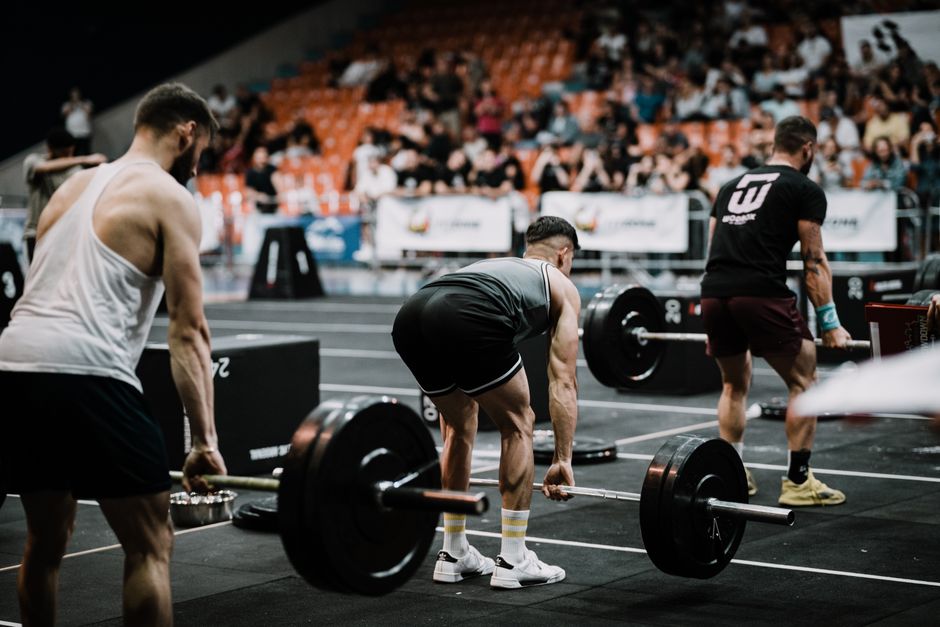
Strength training, especially heavy compound lifts like squats and deadlifts, has been shown to raise testosterone temporarily. The effect is short-lived but consistent. Do not expect one workout to change your levels permanently. Regular training over months and years helps maintain healthy hormone function.
Stress management is another piece. Chronic stress raises cortisol, a hormone that blocks testosterone. The American Psychological Association notes that long-term stress affects nearly every system in the body, including hormone production.
Common Misconceptions About Boron and Testosterone
One common myth is that boron is a direct testosterone booster. That is not what the evidence shows. Boron may help correct a deficiency, but it does not act like anabolic steroids or prescription testosterone therapy.
Another misconception is that more boron means more testosterone. This is not true. Your body needs only small amounts of boron. Taking extra does not give you extra testosterone. It just increases your risk of side effects.
Some people claim that boron works better when combined with other supplements like zinc or magnesium. There is no solid evidence for this. Zinc deficiency can lower testosterone, and correcting it helps. But adding boron to zinc does not add extra benefit based on current research.
A third myth is that boron is a safe alternative to testosterone replacement therapy. It is not. Testosterone replacement therapy is a medical treatment for men with clinically low testosterone. Boron is a trace mineral. It cannot replace medical treatment. If you have symptoms of low testosterone, see a doctor. Do not self-treat with supplements.
Frequently Asked Questions
Does boron increase testosterone in all men?
No. The evidence is limited and mostly comes from small studies. Most healthy men with normal mineral levels will not see a change.
How much boron should I take for testosterone?
There is no established dose for testosterone support. Studies have used 3 to 10 milligrams daily, but results are inconsistent.
Can boron cause side effects?
Yes. Doses above 20 milligrams per day can cause nausea, diarrhea, and headaches. Very high doses can be toxic.
Is boron better than zinc for testosterone?
Zinc has stronger evidence for supporting testosterone, especially in men who are deficient. Boron does not have the same level of research.
