
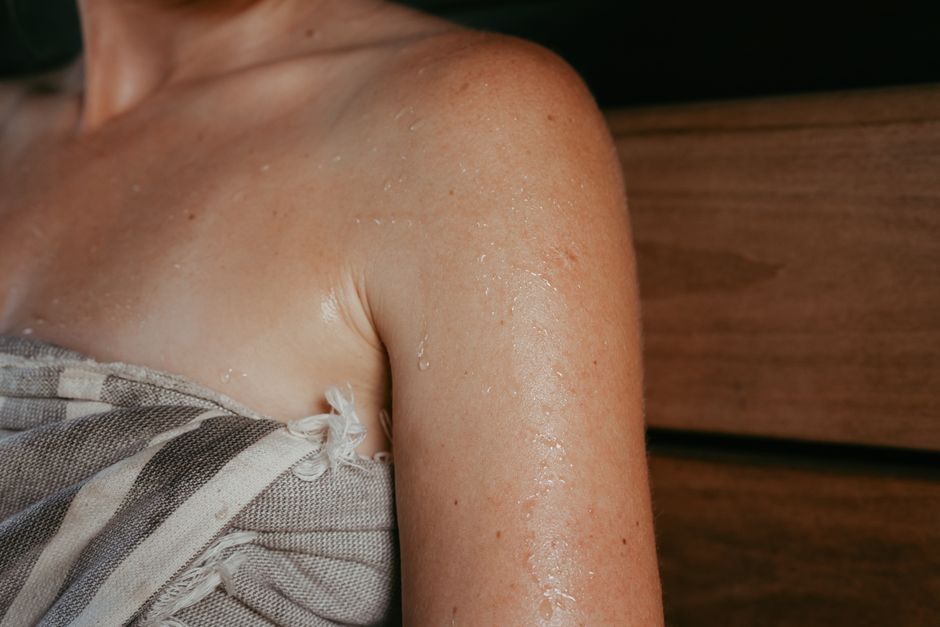
Sweating is your body’s natural cooling system. Most people sweat some every day. But when does normal sweating cross the line into excessive? The short answer is that heavy sweating can be normal for some people, but if it disrupts your daily life or happens without a clear reason, you may have a medical condition called hyperhidrosis. About 3% of Americans have this condition, according to the International Hyperhidrosis Society. The key difference is whether sweating happens even when you are not hot, exercising, or stressed.
What Causes Normal Sweating?
Your body sweats to keep your core temperature stable. When you exercise, sit in a warm room, or feel nervous, your sweat glands kick in. This is completely normal. The amount you sweat varies based on genetics, fitness level, and body size.
People who are more fit often sweat sooner and more during exercise. That is a sign of an efficient cooling system, not a problem. Your sweat rate also depends on how many sweat glands you have. Some people have more active glands than others. This is just how your body is built.
Normal sweating happens in response to a clear trigger. It stops when the trigger goes away. If you step into air conditioning and stop sweating within a few minutes, that is normal. If you keep dripping for an hour, that is worth paying attention to.
What Is Excessive Sweating (Hyperhidrosis)?
Excessive sweating, or hyperhidrosis, means you sweat heavily without a normal trigger. You might soak through your shirt while sitting at a desk. Your hands might drip during a handshake. This happens because your sweat glands are overactive.
There are two main types. Primary focal hyperhidrosis starts in childhood or adolescence. It affects specific areas like the palms, feet, underarms, or face. Doctors believe it is caused by overactive nerves telling sweat glands to work too hard. Secondary generalized hyperhidrosis starts in adulthood and affects the whole body. It is usually caused by an underlying medical condition or medication.
The International Hyperhidrosis Society defines severe hyperhidrosis as sweating that is visible, unpredictable, and interferes with daily activities. If you avoid social situations or change clothes multiple times a day because of sweat, you likely have a medical issue, not just a warm day.
How Do You Know If Your Sweating Is Excessive?
There is no single test for hyperhidrosis. Doctors use a simple question: Does your sweating interfere with your life? If the answer is yes, you should talk to a healthcare provider.
The Hyperhidrosis Disease Severity Scale (HDSS) is a tool doctors use. It asks you to rate your sweating on a scale of 1 to 4. A score of 3 or 4 means your sweating is barely tolerable or interferes with daily activities. This is considered severe.
You can also look for physical signs. Do you have visible sweat drops on your skin when you are not active? Do your hands feel wet or clammy most of the time? Do you have skin problems like frequent rashes or fungal infections in sweaty areas? These are clues that your sweat is more than normal.
If your sweating started after age 25, or if you sweat heavily at night, tell your doctor. Night sweats can be a sign of other conditions like infection or hormone issues. This is different from primary hyperhidrosis, which usually starts earlier.





What Medical Conditions Cause Excessive Sweating?
Secondary hyperhidrosis has many possible causes. The most common are hormonal changes. Menopause causes hot flashes and night sweats in many women. Thyroid problems, especially an overactive thyroid, can make you sweat more. The American Thyroid Association notes that excessive sweating is a common symptom of hyperthyroidism.
Other conditions include diabetes, especially if your blood sugar drops too low. Low blood sugar triggers sweating as an alarm signal. Some infections cause fevers and sweating. Certain cancers, like lymphoma, can cause night sweats. But these are rare causes. Most people with excessive sweating have primary hyperhidrosis, not a serious disease.
Medications are another cause. Antidepressants, some blood pressure drugs, and certain diabetes medications list sweating as a side effect. If you started a new drug and noticed more sweat, that could be the reason.
Here is a quick comparison of the two types:
| Feature | Primary Hyperhidrosis | Secondary Hyperhidrosis |
|---|---|---|
| Age of onset | Childhood or teens | Adulthood |
| Sweat pattern | Focal (hands, feet, underarms, face) | Generalized (whole body) |
| Trigger | No clear trigger | Often caused by another condition or drug |
| Night sweats | Rare | Common |
| Family history | Common (about 30-50% have it) | Not typical |
What Treatments Are Available for Excessive Sweating?
Treatment options range from simple products to medical procedures. The first line of defense is clinical strength antiperspirants. These contain aluminum chloride, which blocks sweat ducts. You apply them at night for best results. They are available over the counter or by prescription. Many people find these effective for mild to moderate sweating.
Iontophoresis is another option. You sit with your hands or feet in a shallow tray of water while a mild electrical current passes through. This treatment blocks sweat glands temporarily. You need multiple sessions per week at first, then less often. Research published in the Journal of the American Academy of Dermatology shows it works for about 80% of people with hand or foot sweating.
Botox injections are FDA-approved for underarm sweating. The injections block the nerve signals that tell sweat glands to work. Results last about 6 to 12 months. The cost is high, and insurance coverage varies. Some studies suggest Botox reduces underarm sweating by 80% or more.
Oral medications like anticholinergics reduce sweating throughout the body. But they cause side effects like dry mouth, blurred vision, and constipation. These are not a first choice for most people.
For severe cases, there is a procedure called miraDry. It uses microwave energy to destroy sweat glands permanently. The glands do not grow back. Side effects include swelling and temporary numbness. This is a serious decision and should only be considered after other treatments fail.
One more option is surgery to cut the nerves that trigger sweating. This is called endoscopic thoracic sympathectomy (ETS). It is rarely done anymore because it can cause compensatory sweating — meaning you sweat more in other areas of your body. The American Academy of Dermatology recommends this only for the most severe cases after all other treatments fail.
Common Misconceptions About Sweating
Many people believe sweating a lot means you are out of shape. This is not true. Fit people often sweat more and earlier during exercise because their cooling system is more efficient. Sweating does not measure fitness level.
Another myth is that sweating helps you detox. Your body removes waste through your liver and kidneys, not your sweat. Sweat is mostly water and salt. The idea that sweating flushes toxins is not supported by evidence. This is widely claimed in wellness circles, but strong evidence is limited.
Some people think antiperspirants cause breast cancer or Alzheimer’s disease. The National Cancer Institute and the Alzheimer’s Association both state there is no convincing evidence linking antiperspirants to either condition. This myth has been studied and debunked multiple times.
Finally, many people believe that if they sweat a lot, they must be dehydrated. This is backwards. Heavy sweating can lead to dehydration, but being dehydrated does not cause more sweating. If you are sweating heavily, drink water to replace what you lose. But do not assume the sweating itself is a sign of low fluids.
When Should You See a Doctor?
See a doctor if your sweating has no clear cause, happens at night, or started suddenly in adulthood. Also see a doctor if it affects your work, social life, or emotional health. Many people suffer in silence, thinking it is just how they are. But effective treatments exist.
Your primary care doctor can start the conversation. They may check your thyroid, blood sugar, and review your medications. If nothing obvious shows up, they may refer you to a dermatologist. Dermatologists are the specialists who treat hyperhidrosis most often.
Do not feel embarrassed. Doctors see this condition regularly. The International Hyperhidrosis Society estimates that only one-third of people with hyperhidrosis seek treatment. Many live with unnecessary discomfort because they do not know help is available.
Frequently Asked Questions
Can you outgrow excessive sweating?
Primary hyperhidrosis usually does not go away on its own. Some people find it improves with age, but most need treatment to manage it.
Is excessive sweating a sign of heart disease?
Not usually. But if you have chest pain, shortness of breath, or dizziness along with sweating, call 911. Those could be heart attack symptoms.
Does diet affect how much you sweat?
Spicy foods and caffeine can trigger sweating in some people. But diet does not cause primary hyperhidrosis.
Can stress alone cause excessive sweating?
Stress can trigger sweat, but true hyperhidrosis happens without stress. If you only sweat when anxious, that is a normal stress response.
