
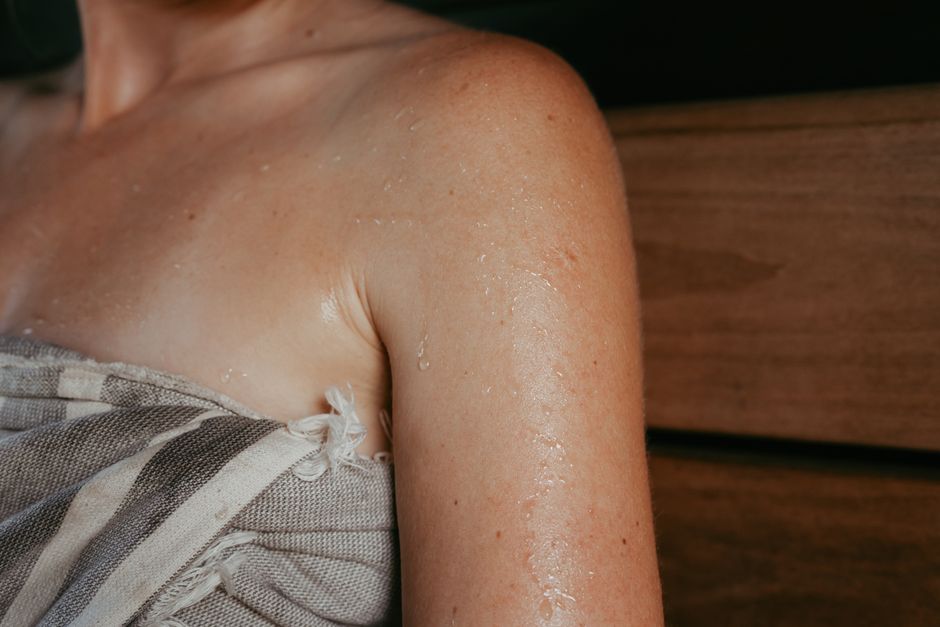
Allergies do not directly make you sweat. The immune response that causes allergy symptoms like sneezing and itchy eyes does not trigger sweat glands. However, some things that happen because of allergies — such as fever, anxiety, or physical activity — can lead to sweating. So while the connection is indirect, it is real for many people.
Do Allergies Directly Cause Sweating?
No. Sweating is controlled by the body’s temperature regulation system and by the nervous system. Allergies involve the release of histamine and other immune chemicals. These chemicals cause inflammation in the nose, eyes, and lungs. They do not act on sweat glands directly. That is why a person having an allergic reaction does not automatically start sweating.
Some people may feel sweaty during a severe allergic reaction, but that is usually from the body’s stress response — not the allergy itself. The confusion often comes from the word “fever” in hay fever. Hay fever does not cause a true fever. The name is misleading. True fever with sweating suggests an infection, not an allergy.
What Can Cause Sweating During Allergy Season?
Even though allergies do not directly cause sweating, several related factors can. Here are the most common ones:
- Fever from a sinus infection — Allergies can inflame sinus tissues and trap mucus. Bacteria can then grow, causing a sinus infection. A fever with chills and sweating is a common result.
- Anxiety and stress — Allergy symptoms can be uncomfortable and disruptive. Feeling anxious about breathing or sleep can activate the “fight or flight” response. That response includes sweating, especially on the palms and forehead.
- Physical exertion — Outdoor exercise during high pollen days raises body temperature. The body sweats to cool down. This is normal thermoregulation, but people may blame the allergy instead of the activity.
- Hot and humid weather — Many allergens like pollen and mold are more common in warm months. Heat itself causes sweating. The timing creates a false link.
Each of these scenarios involves sweating that happens alongside allergies, not because of the allergic reaction itself.
Can Hay Fever Cause Night Sweats?
True hay fever (allergic rhinitis) does not typically cause night sweats. Night sweats — waking up drenched in sweat — are usually a sign of something else. Possible causes include a fever from an infection, medication side effects, or hormonal changes.
If a person with hay fever has night sweats, it may be from a blocked nose that forces mouth breathing. Mouth breathing can dry the throat and cause restless sleep. Restless sleep can lead to sweating because the body works harder to breathe. But this is not a direct effect of the allergy itself. Persistent night sweats should always be discussed with a doctor.

Do Allergy Medications Cause Sweating?
Some allergy medications can cause sweating, but most do not. Antihistamines like loratadine, cetirizine, and fexofenadine are not known to cause sweating. In fact, they often cause dry mouth and dry eyes.
Decongestants — such as pseudoephedrine found in many cold and allergy products — can increase heart rate and blood pressure. This can make some people feel warm and sweaty. The effect is more common with higher doses or in people sensitive to stimulants. If sweating starts after taking a new medication, it is worth checking the label and talking to a pharmacist.
Nasal steroid sprays and allergy shots (immunotherapy) do not cause sweating as a common side effect.
How to Tell Allergy Symptoms from a Cold or Infection
Sweating can help tell them apart. Allergies rarely cause fever or sweating. Colds and other viral infections often do, especially in the first few days. A person with a runny nose and sneezing who also has a fever and sweats likely has an infection, not allergies.
Allergy symptoms last as long as the trigger is present — days to weeks. Infection symptoms usually peak within a few days and then improve. If you are sweating along with congestion, check your temperature. A fever above 100.4°F (38°C) is not from allergies. Mucus color is not reliable — yellow or green can happen with both. But body temperature and sweating patterns are more telling.
When Should You See a Doctor for Allergy Symptoms?
See a doctor if allergy symptoms interfere with daily life — sleep, work, or school. Also see a doctor if you have a fever for more than three days, if night sweats are frequent, or if you experience shortness of breath.
If sweating occurs with hives, swelling, or difficulty breathing, it could be a severe allergic reaction called anaphylaxis. This is a medical emergency. Call 911 immediately. Do not wait. Anaphylaxis can be life-threatening. Sweating in that context is part of the body’s shock response, not a regular allergy symptom.
Myth: Allergies Cause Fever and Sweating Directly
This is a common myth. The term “hay fever” is the main reason people believe it. Allergic rhinitis does not raise body temperature. Histamine release does not trigger the hypothalamus to increase temperature. Therefore, allergies alone cannot cause fever sweats. If you are sweating and have a measured fever, look for an infection — sinusitis, bronchitis, or something else. Allergies may set the stage, but they are not the direct cause.
Frequently Asked Questions
Can allergies cause night sweats?
Allergies alone do not cause night sweats. Night sweats usually point to an infection, medication side effect, or another medical condition.
Can antihistamines make you sweat?
Typical antihistamines like cetirizine and loratadine do not cause sweating. Decongestants found in some allergy products can cause sweating in some people.
Does pollen allergy cause sweating?
Pollen allergy does not directly trigger sweat glands. Sweating during high pollen season is more likely from heat, exercise, or a sinus infection.
How to stop sweating from allergies?
Identify and treat the underlying cause. If it is a sinus infection, antibiotics may be needed. If it is anxiety, managing allergy symptoms can help reduce stress-related sweating.
