
Excessive gas is uncomfortable and often embarrassing, but diet changes are the most effective way to reduce it. The core strategy is to identify and limit specific fermentable carbohydrates that your gut bacteria break down into gas, while also addressing eating habits that cause you to swallow air. This is not about a single magic food or pill—it is about a systematic approach to what and how you eat.
What Actually Causes Excessive Gas in the Gut?
Gas in your digestive system comes from two main sources. The first is swallowed air, which happens when you eat too fast, chew gum, drink carbonated beverages, or talk while eating. The second—and far more common cause—is the fermentation of undigested food by bacteria in your large intestine.
Your small intestine cannot fully break down certain carbohydrates. These undigested particles travel to the colon where bacteria feast on them. The bacterial fermentation process produces hydrogen, methane, and carbon dioxide gas. For some people, this gas builds up and causes bloating, pain, and frequent flatulence.
Research published in the American Journal of Gastroenterology shows that the most common gas-producing foods are those high in specific short-chain carbohydrates known as FODMAPs. These include fructose, lactose, fructans, galactans, and polyols. Understanding this is the foundation of any effective diet remedy for gas.
Which Foods Should You Cut First to Reduce Gas?
The most direct diet change is to reduce high-FODMAP foods for a short period. This is not a permanent diet. It is a diagnostic elimination phase that typically lasts two to six weeks. After that, you slowly reintroduce foods to find your personal triggers.
Common high-FODMAP foods that cause gas include:
- Wheat, rye, and barley (found in bread, pasta, and cereals)
- Onions and garlic (both are major gas producers for many people)
- Beans, lentils, and chickpeas
- Apples, pears, watermelon, and stone fruits
- Milk, yogurt, and soft cheeses (due to lactose)
- Cashews and pistachios
- Sweeteners like honey, agave nectar, and sugar alcohols (sorbitol, xylitol)
Many people notice a significant reduction in gas within three to five days of removing these foods. The key is to do this systematically. A study from Monash University, where the low-FODMAP diet was developed, found that about 70% of people with irritable bowel syndrome reported less bloating and gas after following this approach.
How To Get Rid Of Excessive Gas Diet Remedies That Actually Work
Beyond the low-FODMAP approach, there are specific remedies that have solid evidence behind them. These are not fads. They are practical tools that change how your gut handles gas.
Peppermint oil capsules are one of the best-studied remedies. A review in the Journal of Clinical Gastroenterology found that enteric-coated peppermint oil significantly reduced abdominal pain and bloating. It works by relaxing the muscles in your digestive tract, allowing gas to pass more easily. The typical dose is one to two capsules taken before meals.
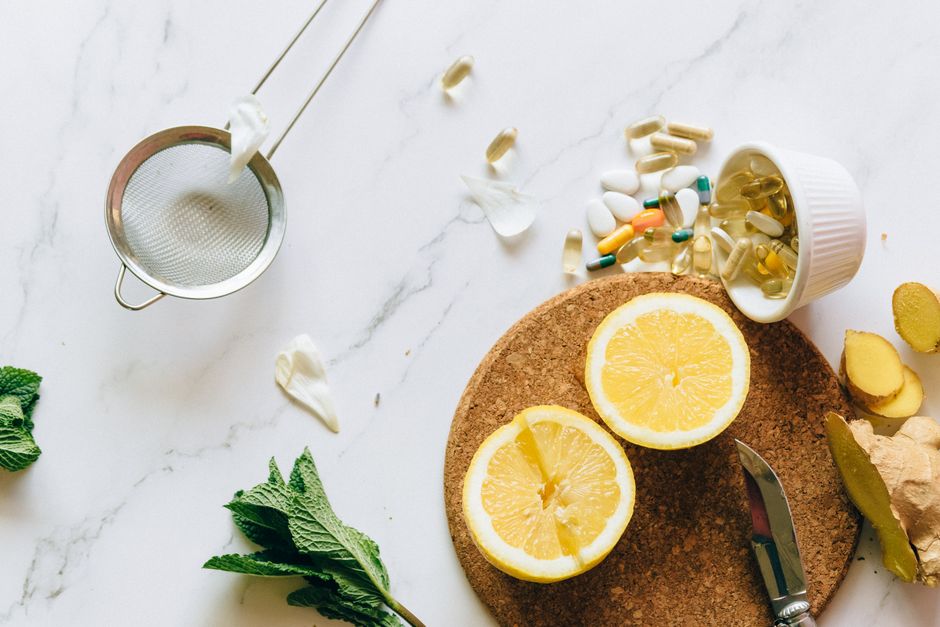
Ginger is another well-supported option. Research shows that ginger speeds up gastric emptying, meaning food moves from your stomach to your small intestine faster. This reduces the time available for fermentation and gas production. You can use fresh ginger in cooking, drink ginger tea, or take ginger supplements in capsule form.
Digestive enzymes can help with specific intolerances. If you know you have trouble with beans or cruciferous vegetables, an alpha-galactosidase enzyme (brand name Beano) can break down those complex sugars before they reach your colon. Similarly, lactase enzyme supplements help people with lactose intolerance digest dairy without gas.
Activated charcoal is widely claimed to reduce gas, but the evidence is mixed. Some small studies suggest it may absorb gas in the colon, while others show no benefit. It is likely safe for short-term use, but it can interfere with medication absorption.





How Eating Habits Matter More Than You Think
What you eat is only half the equation. How you eat can make a dramatic difference in gas production. Many people overlook this and wonder why their diet changes are not working.
Eating too quickly causes you to swallow excess air. This air has to come out somewhere, either as burping or flatulence. A simple fix is to slow down. Put your fork down between bites. Chew each mouthful thoroughly. This also helps your digestive enzymes break down food more completely before it reaches the colon.
Carbonated drinks are a direct source of gas. The bubbles in soda, sparkling water, and beer are carbon dioxide. When you drink them, that gas enters your digestive system. Replacing these with still water or herbal tea for a few days can produce noticeable relief.
Chewing gum and sucking on hard candy also cause you to swallow air. Many sugar-free gums and candies contain sugar alcohols like sorbitol, which ferment in the gut and produce additional gas. This is a double problem. Cutting these out is an easy win.
Comparison of Common Diet Remedies for Gas
| Remedy | How It Works | Evidence Strength | Typical Time to Effect |
|---|---|---|---|
| Low-FODMAP diet | Reduces fermentable carbs | Strong (Monash University studies) | 3-7 days |
| Peppermint oil | Relaxes gut muscles | Strong (multiple clinical trials) | 30-60 minutes |
| Ginger | Speeds stomach emptying | Moderate | Within 1-2 hours |
| Alpha-galactosidase enzyme | Breaks down complex sugars | Strong for beans/vegetables | Immediate with meal |
| Lactase enzyme | Breaks down lactose | Strong for dairy intolerance | Immediate with meal |
| Activated charcoal | May absorb gas | Weak to moderate | Varies |
Common Misconceptions About Gas and Diet
There are several popular ideas about gas that the evidence does not support. Knowing what does not work can save you time and frustration.
Myth: Fiber always causes more gas. This is not true. Soluble fiber, found in oats, bananas, and psyllium husk, can actually help regulate bowel movements and reduce gas over time. The problem is when you increase fiber too quickly. Your gut bacteria need time to adjust. If you add fiber slowly over a few weeks, gas production often decreases.
Myth: Probiotics cure gas for everyone. Some studies suggest that specific probiotic strains like Bifidobacterium infantis may help with bloating, but the research is not consistent. Different strains do different things. A probiotic that helps one person may have no effect on another. There is no single probiotic that reliably reduces gas in everyone.
Myth: Drinking water with meals causes gas. Water itself does not cause gas. It can actually help digestion. The issue is carbonated water or drinking very large amounts during a meal, which can temporarily distend the stomach. Plain water in normal amounts is fine.
Myth: Gas means you have a serious disease. For the vast majority of people, excessive gas is a normal response to diet and eating habits. It is rarely a sign of something dangerous. However, if gas is accompanied by unexplained weight loss, blood in stool, severe pain, or persistent diarrhea, you should see a doctor.
What to Avoid When Trying to Reduce Gas
Some popular remedies and habits can actually make gas worse. Knowing what to avoid is just as important as knowing what to try.
Avoid using antacids for gas. Many antacids contain calcium or magnesium, which can actually produce gas as a side effect. They are designed for heartburn, not flatulence. Using them for gas often makes the problem worse.
Avoid sudden drastic diet changes. Cutting out all carbohydrates at once can lead to temporary constipation and gas as your gut microbiome shifts. Gradual changes give your body time to adapt and produce less discomfort.
Avoid relying on simethicone products like Gas-X for long-term relief. Simethicone helps gas bubbles combine so they are easier to pass, but it does not reduce the amount of gas your body produces. It is fine for occasional use, but it does not address the root cause.
Avoid extreme elimination diets without guidance. Some people cut out entire food groups based on internet advice. This can lead to nutrient deficiencies and an unhealthy relationship with food. The low-FODMAP diet should ideally be done with a dietitian’s help.
Frequently Asked Questions
How quickly can diet changes reduce gas?
Most people notice improvement within three to seven days after removing trigger foods. Peppermint oil and ginger can provide relief within an hour.
Can drinking more water help with gas?
Yes, staying hydrated helps keep stool soft and supports regular bowel movements, which can reduce gas buildup. Avoid carbonated water.
Is it safe to follow a low-FODMAP diet long-term?
No, it is designed as a short-term elimination diet. Long-term restriction can lead to nutrient deficiencies. Reintroduce foods after two to six weeks.
Do beans always cause gas?
Not for everyone. Soaking dried beans overnight and discarding the water before cooking reduces the gas-producing compounds. Canned beans rinsed well also cause less gas.
