
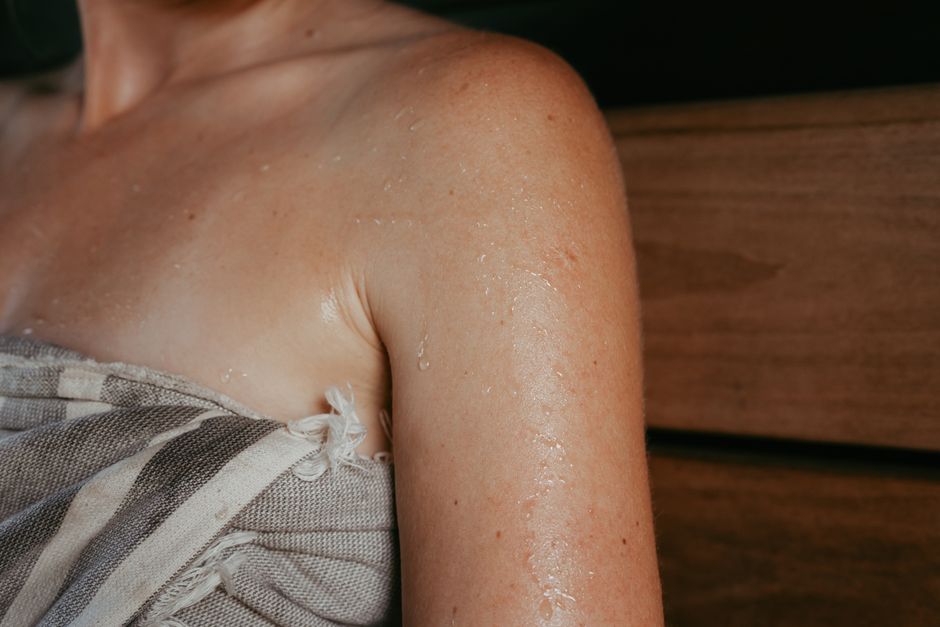
Sweating is your body’s built-in cooling system, and when it works overtime, it is usually a sign that your body is trying to cool down from something specific. The science is straightforward: your sweat glands release moisture onto your skin, and when that moisture evaporates, it pulls heat away from your body. If you sweat a lot, it means your body is generating more heat than average or your sweat glands are more sensitive to the signals that turn them on.
What Actually Causes Excessive Sweating?
There are two main reasons someone sweats a lot, and they are very different. The first is a normal, healthy response to things like exercise, hot weather, spicy food, or stress. This is called primary hyperhidrosis when it happens without an obvious trigger, and it affects about 3% of the U.S. population according to the American Academy of Dermatology.
The second reason is secondary hyperhidrosis, which means the sweating is caused by something else in your body. This could be a medical condition like an overactive thyroid, diabetes, or an infection. It can also be a side effect of medications, including some antidepressants and blood pressure drugs. The key difference is that secondary hyperhidrosis often happens all over the body, not just in specific spots like the hands or armpits.
Most people who sweat a lot fall into the first category. Their sweat glands are simply more active. It is not dangerous, but it can be frustrating and embarrassing. If you have always been a heavy sweater since childhood, you likely have primary hyperhidrosis.
Is There a Difference Between Sweating and Hyperhidrosis?
Yes, and the difference matters for how you think about treatment. Everyone sweats. Hyperhidrosis is the medical term for sweating that is noticeably heavier than what is needed to cool the body down. The International Hyperhidrosis Society defines it as sweating that soaks through clothing or drips off your hands, even when you are sitting still in a cool room.
If you sweat heavily during a workout or on a hot day, that is normal. Your body is doing exactly what it should. If you sweat heavily while watching TV or sitting at a desk, that is more likely hyperhidrosis. The condition affects about 4.8% of Americans, though many do not seek help because they think it is normal.
One common myth is that hyperhidrosis means you are out of shape or unhealthy. That is not true. Many athletes and fit people have hyperhidrosis. Their bodies just respond more strongly to the same triggers.
Why Do You Sweat A Lot at Night?
Night sweats are a specific type of excessive sweating that happens while you sleep. They are common enough that about one in three adults reports experiencing them at some point. The causes range from simple to serious.
Your bedroom temperature is the most common cause. If your room is above 70 degrees Fahrenheit or your bedding traps heat, your body will sweat to cool down. Alcohol before bed can also trigger night sweats because it affects your body’s temperature regulation. Some people also find that spicy foods eaten late in the evening cause night sweats.
On the medical side, sleep apnea is a known cause of night sweats. The Journal of Clinical Sleep Medicine reports that about 30% of people with sleep apnea experience regular night sweats. Hormonal changes, such as those during menopause or from an overactive thyroid, are also common causes. If night sweats are accompanied by fever, weight loss, or persistent fatigue, it is worth mentioning to your doctor.





What Does Research on Excessive Sweating Show?
Research on hyperhidrosis has grown significantly in the last decade. A 2016 study published in the Journal of the American Academy of Dermatology found that people with hyperhidrosis have significantly more sweat glands than average in the affected areas. It is not that their glands are overactive — they literally have more of them.
Other research has focused on the genetics of sweating. Studies of twins suggest that primary hyperhidrosis has a strong genetic component. If one of your parents sweats heavily, there is about a 50% chance you will too. The exact genes involved are still being studied, but the link is clear enough that doctors now routinely ask about family history when diagnosing the condition.
There is also research on how sweating changes with age. A study in the journal Experimental Physiology found that older adults sweat less than younger adults during exercise, even when their core body temperature is the same. This means that if you are over 50 and suddenly sweating more than usual, it is less likely to be age-related and more likely to have another cause worth investigating.
What Treatment Options Actually Work?
Treatment depends on whether you have primary or secondary hyperhidrosis. If a medical condition or medication is causing the sweating, treating that underlying issue usually resolves it. For primary hyperhidrosis, several options have good evidence behind them.
Clinical-strength antiperspirants are the first line of treatment. These contain aluminum chloride, which blocks sweat ducts. Studies show they reduce sweating by about 50% in most people. They work best when applied to dry skin at night and washed off in the morning. Over-the-counter antiperspirants are weaker and less effective for heavy sweating.
Oral medications called anticholinergics can reduce sweating throughout the body. Glycopyrrolate is the most commonly prescribed one. A 2018 review in the Journal of Drugs in Dermatology found that about 70% of people report significant improvement with these medications. The downside is side effects like dry mouth, blurred vision, and constipation, which cause about 20% of people to stop taking them.
Botox injections are FDA-approved for underarm sweating and are used off-label for hands and feet. The injections block the chemical signals that tell sweat glands to activate. Results last about 6 to 12 months. Studies show a 75% to 90% reduction in sweating in treated areas. The main drawbacks are cost and the need for repeat treatments.
MiraDry is a newer option that uses microwave energy to destroy sweat glands permanently. It is FDA-approved for underarms. A 2020 study in Dermatologic Surgery found that one to two treatments reduced underarm sweating by over 80% in most patients. The sweat glands do not grow back, so the effect is permanent. Side effects include temporary swelling and numbness in the treated area.
Comparing Common Treatment Options
The table below summarizes the main treatment options for primary hyperhidrosis based on current evidence.
| Treatment | Effectiveness | Duration | Common Side Effects |
|---|---|---|---|
| Clinical antiperspirants | 50% reduction | 24 hours per application | Skin irritation, itching |
| Oral anticholinergics | 70% improvement | While taking daily | Dry mouth, blurred vision |
| Botox injections | 75-90% reduction | 6-12 months | Pain at injection site |
| MiraDry | 80% reduction | Permanent | Swelling, numbness |
What Lifestyle Changes Can Help?
Simple changes can make a real difference for people who sweat a lot, even if they do not eliminate the problem entirely. The goal is to reduce triggers and manage symptoms.
- Wear loose, breathable fabrics like cotton or moisture-wicking materials. Tight clothing traps heat and increases sweating.
- Avoid known triggers like spicy foods, caffeine, and alcohol. These stimulate the nervous system and can trigger sweat glands.
- Keep your living and work spaces cool. A fan or air conditioning set below 70 degrees can reduce the need to sweat.
- Shower daily and dry thoroughly. Bacteria on the skin mix with sweat and create odor. Antiperspirants work best on clean, dry skin.
- Use absorbent powders like cornstarch or talc-free baby powder in areas where sweat collects, such as underarms or between toes.
Stress management deserves special mention. Anxiety and stress activate the same nervous system pathways that trigger sweating. Techniques like deep breathing, meditation, or even just taking a few minutes to calm down before a stressful event can reduce sweating for some people. The effect is modest but real.
When Should You See a Doctor?
Most heavy sweating is not a medical emergency, but there are clear signs that a doctor visit is a good idea. If you suddenly start sweating much more than usual with no clear reason, that is worth checking. The same goes for sweating that happens all over your body rather than in specific spots.
Night sweats that wake you up or soak through your sheets are another reason to see a doctor. If they come with fever, unexplained weight loss, chest pain, or shortness of breath, seek medical attention promptly. These can be signs of infections, thyroid problems, or other conditions that need treatment.
For most people, excessive sweating is simply a matter of having more active sweat glands. It is not a sign of poor health. But if it bothers you, treatments exist that work well. A dermatologist is the right specialist to see. They can diagnose the type of hyperhidrosis you have and recommend the most appropriate treatment based on your specific situation.
Frequently Asked Questions
Is sweating a lot a sign of a serious health problem?
Not usually. Most heavy sweating is primary hyperhidrosis, which is harmless. If sweating starts suddenly or comes with other symptoms like fever or weight loss, it could signal something else.
Can diet affect how much I sweat?
Yes. Spicy foods, caffeine, and alcohol can all trigger sweating in some people. Keeping a food diary can help you identify your personal triggers.
Does losing weight reduce sweating?
For some people, yes. Carrying extra body weight can increase heat production and make your body work harder to cool down. Weight loss may reduce sweating for those who are overweight.
Are antiperspirants safe to use every day?
Yes. The American Cancer Society and the FDA have both stated there is no evidence linking antiperspirants to cancer or other serious health issues. Skin irritation is possible but not dangerous.
