
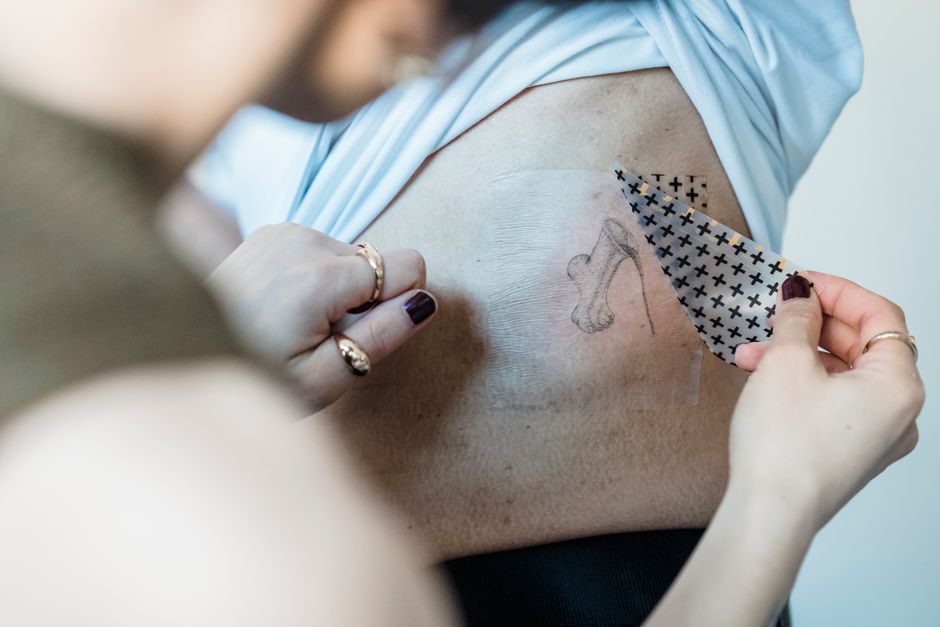
Yes, it is completely normal for a new tattoo to peel. Peeling is a standard part of the skin’s healing process after you get inked. It usually starts a few days after getting the tattoo and typically lasts for about one week. This flaking is not a sign of a bad tattoo or an infection; it simply means your skin is shedding the top layer of damaged cells to reveal the fresh, healed skin beneath.
Why Do Tattoos Peel?
The peeling happens because a tattoo is an open wound. When a tattoo needle punctures your skin thousands of times, it deposits ink into the dermis, the second layer of skin. Your body responds by sending blood and nutrients to the area to start repairing the damage.
As part of this repair, the outermost layer of skin, the epidermis, forms a scab-like layer over the wound. Once the skin underneath has healed enough, that top layer begins to flake and peel away. The ink is safely trapped in the dermis below, so the peeling does not remove the color.
Think of it like a sunburn peeling. The damaged skin cells are being pushed off to make room for new, healthy cells. The process is identical, though the tattoo makes it more noticeable because you are watching the design heal.
When Does Tattoo Peeling Start and How Long Does It Last?
Peeling does not happen immediately. For the first couple of days, the tattoo is usually swollen, tender, and may ooze a small amount of plasma and ink. This is normal. Around day three to five, the peeling typically begins.
Once it starts, the peeling usually lasts for about four to seven days. The entire healing process, from the initial wound to fully settled skin, can take two to four weeks. However, the deeper layers of skin can take several months to fully heal, even though the surface looks fine.
The timing can vary depending on the size and location of the tattoo. Areas with thinner skin, like the wrist or ankle, may peel faster. Areas with thicker skin or areas that move a lot, like the elbow or knee, might take a little longer and peel more heavily.
What Does Normal Peeling Look Like?
Normal peeling looks like a light, flaky dryness. The skin may look like it has a thin, papery film over it. You might notice small pieces of skin falling away, and the ink underneath should look bright and clear.
It is also common for the tattoo to look a little dull or hazy during this phase. This is because the new skin forming over the ink is still slightly opaque. This cloudiness will fade as the skin matures.
You might see a few flakes that have a slight color to them. This is typically just dried plasma or excess ink that was pushed out of the skin. It is not a sign that the tattoo is fading. The color should return to normal once the peeling stops.





What Is Not Normal: Signs of a Problem
While peeling is normal, there are signs that indicate a problem. You need to distinguish between normal flaking and a potential infection or allergic reaction.
Watch for these warning signs:
- Thick, yellow, or green pus coming from the tattoo.
- Increasing redness that spreads beyond the tattoo lines.
- Intense pain that gets worse instead of better.
- Large, thick scabs that crack or bleed.
- A fever or chills.
- Red streaks radiating from the tattoo.
If you experience any of these, see a doctor or a dermatologist. Do not wait to see if it clears up on its own. Infections can become serious if left untreated.
Some peeling may look like large chunks of skin coming off. While this can be alarming, it is usually just a thick scab separating from the skin. However, you should never pull at these scabs. Pulling them off can pull the ink out with them, leaving blank spots in your tattoo.
How to Care for a Peeling Tattoo
Proper aftercare during the peeling phase is critical. The goal is to keep the skin moisturized without suffocating it. You want to let the dead skin fall off naturally.
Wash the tattoo gently with lukewarm water and unscented, mild soap. Use your clean hands to wash it, never a washcloth or sponge. Pat it dry with a clean paper towel. Do not rub it.
Apply a thin layer of unscented moisturizer or a tattoo-specific aftercare ointment. A very thin layer is enough. You want the skin to breathe. Heavy layers of ointment can clog pores and trap bacteria.
Here is what you should avoid during the peeling phase:
- Do not pick or peel the skin. Let it fall off naturally.
- Do not scratch the tattoo. Even if it itches, do not scratch it.
- Do not soak the tattoo. No baths, swimming pools, hot tubs, or saunas.
- Avoid direct sunlight. Sun can damage the healing skin and fade the ink.
- Avoid tight clothing that rubs against the tattoo.
Itching is very common during this phase. This is a sign that the skin is healing. If the itching is unbearable, you can gently slap the area or apply a cold compress for a few minutes. Do not use anti-itch creams unless your tattoo artist or doctor recommends one.
Is It Normal For Tattoos To Peel And Lose Color?
It is normal for the tattoo to look lighter during the peeling phase. The new skin forming over the ink is semi-translucent, which can make the colors look muted. This is temporary.
Once the peeling stops and the skin fully matures, the color should return to its true vibrancy. This can take a few weeks. If you notice the tattoo is still faded after a month, the ink may have been lost during the healing process.
Ink loss usually happens because the scab was pulled off too early or the tattoo was not applied deeply enough. If you have patchy or faded areas after healing, you may need a touch-up. Most tattoo artists offer a free touch-up session within a few months of the original appointment.
However, some color loss is normal. The skin naturally filters some of the ink, and the body will absorb a small amount of pigment. This is why tattoos are never as dark as the day you got them.
How Long Should You Wait to Swim or Sunbathe?
You should wait until the tattoo is fully healed before swimming or sunbathing. This means waiting until the peeling has completely stopped and the skin feels smooth, not flaky. This usually takes about two to four weeks.
Swimming in pools, oceans, or lakes exposes the healing wound to bacteria and chemicals. This significantly increases the risk of infection. The chlorine in pools can also fade the ink.
Sun exposure is also dangerous for a new tattoo. UV rays can burn the healing skin and cause the ink to fade prematurely. Once the tattoo is healed, you should always wear sunscreen on it when you are in the sun. This protects the ink and keeps the lines sharp.
Frequently Asked Questions
Can I put lotion on a peeling tattoo?
Yes, but only a very thin layer of unscented, alcohol-free lotion or a tattoo-specific ointment. Applying too much can suffocate the skin and delay healing.
Should I let a tattoo peel naturally?
Yes, you should never peel, pick, or scratch a healing tattoo. Let the dead skin fall off on its own to prevent ink loss and scarring.
Is it bad if my tattoo is not peeling?
No, not every tattoo peels the same way. Some tattoos, especially smaller ones or those with fine lines, may only flake slightly or not peel at all. This is not a sign of a problem.
What happens if I pick the scabs off my tattoo?
Picking scabs can pull the ink out of the dermis, leaving blank spots or uneven color in the design. It can also increase the risk of infection and scarring.
