
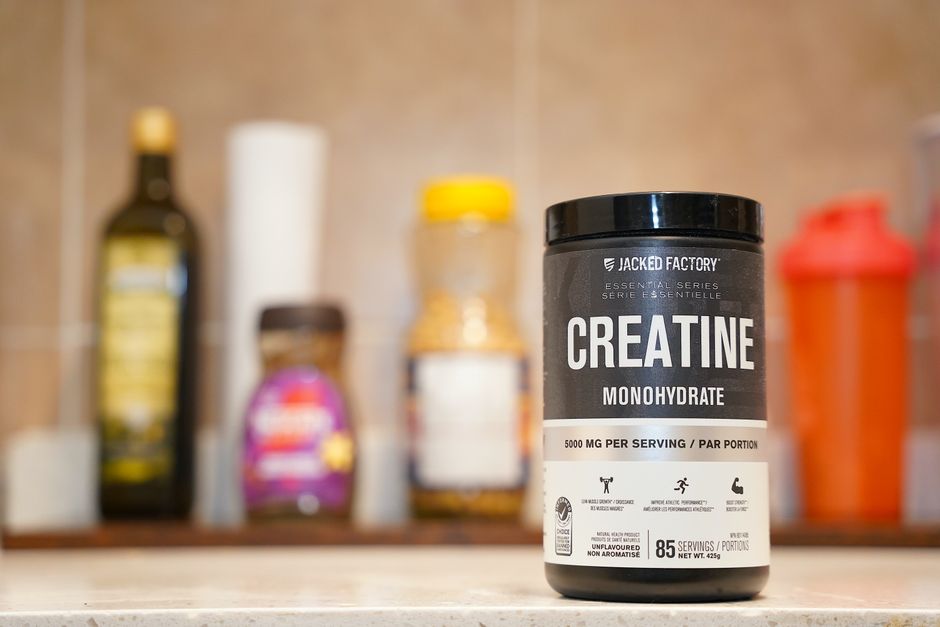
Creatine works whether you take it after a workout or at breakfast. What matters most is that you take it every day and that you take enough of it. Timing is a minor detail compared with consistency.
If you want the short answer: taking creatine after a workout is fine, and some evidence suggests it may be slightly better than taking it before. But the difference is small. The bigger factor by far is taking creatine daily so your muscles stay saturated with it.
Is It Good To Take Creatine After A Workout?
Yes. Taking creatine after a workout is a reasonable and effective way to take it. The muscle-saturating effect of creatine depends on total daily intake over time, not on hitting a precise window after training.
That said, there is a genuine research question about whether post-workout timing offers an edge. Some studies have compared taking creatine immediately after exercise with taking it at other times and found slightly better results with the post-workout group. Other studies have found no meaningful difference. The evidence is not strong enough to say post-workout timing is clearly superior.
What the evidence does support is this: creatine supplementation increases the amount of phosphocreatine stored in your muscles. Phosphocreatine helps regenerate ATP, the basic energy currency your muscles use during short, intense efforts. More stored phosphocreatine means you can sustain those efforts a bit longer or recover a bit faster between them. This is well established and has been studied for decades.
Whether you take it after a workout or at any other time, your muscles will eventually reach saturation if you take it consistently. That is the point most people miss.
How Does Creatine Actually Work In The Body?
Your muscles store creatine, mostly as phosphocreatine. During activities like sprinting, heavy lifting, or jumping, your muscles burn through ATP very quickly. Phosphocreatine donates a phosphate group to rebuild ATP, letting your muscles keep working for those short bursts.
Your body already makes some creatine on its own, mostly in the liver, kidneys, and pancreas. You also get creatine from food, mainly red meat and fish. But most people do not eat enough of these foods to maximize their muscle creatine stores.
Supplementing with creatine raises the amount stored in your muscles above what diet alone typically achieves. Once those stores are full, they stay full as long as you keep taking creatine. If you stop, levels gradually return to baseline over a period of weeks.
This is why consistency matters more than timing. You are not trying to spike creatine levels right after a workout. You are trying to keep them topped up all the time.
Does Timing After A Workout Matter At All?
Possibly, but the effect appears small. Some research suggests that taking creatine after exercise may lead to slightly greater muscle creatine retention than taking it at rest. The idea is that exercise increases blood flow to working muscles and may improve how well creatine gets into muscle cells.
Other studies have not found this advantage. A review of the available research concluded that while post-exercise timing might offer a minor benefit, the overall evidence is not consistent enough to make a firm recommendation.
Here is the honest position: if you prefer taking creatine after your workout, do it. If you prefer taking it with your morning coffee, that works too. Do not stress about the timing. Stress about taking it every day.
One practical note: creatine is often taken with a meal or a shake because insulin can help drive creatine into muscle cells. Taking it with carbohydrates or protein may improve uptake slightly. This is not required, but it is a reasonable habit.



How Much Creatine Should You Take?
The most studied approach uses two phases.
A loading phase involves taking about 20 grams per day, split into four doses of 5 grams, for 5 to 7 days. This rapidly fills muscle creatine stores.
A maintenance phase follows, with about 3 to 5 grams per day. This keeps stores topped up. You can skip the loading phase and just take 3 to 5 grams daily. It will take longer, roughly 3 to 4 weeks, to reach the same muscle saturation, but you will get there.
These amounts come from established research on creatine monohydrate, the most studied form. Other forms of creatine, such as creatine hydrochloride or buffered creatine, have far less evidence behind them. There is no strong reason to believe they work better.
Taking more than the recommended amount does not appear to provide extra benefit. Your muscles can only hold so much creatine. Excess is excreted in urine.
What Form Of Creatine Works Best?
Creatine monohydrate has the most research behind it by a wide margin. Hundreds of studies have examined its effects on muscle strength, power output, and lean mass. It is also the least expensive form.
Other forms are marketed with claims about better absorption or fewer side effects. These claims are not well supported by independent research. If a product claims to be superior to creatine monohydrate, ask what studies back that up. In most cases, the answer is none, or studies conducted by the company selling it.
Powdered creatine monohydrate mixes easily into water, juice, or a protein shake. It has no significant taste. Capsules are convenient but usually more expensive for the same dose.
Are There Side Effects Or Risks?
Creatine is one of the most studied sports supplements, and its safety profile in healthy adults is well documented. The most common reported side effect is mild stomach discomfort, especially when taken in large single doses. Splitting the dose or taking it with food usually helps.
Early concerns about kidney damage have not held up in research on healthy people. People with pre-existing kidney disease should talk to their doctor before taking creatine, because the kidneys process creatine and its breakdown products.
Creatine can cause a small increase in body weight, usually 1 to 2 kilograms, due to water retention inside muscle cells. This is intracellular water, not the kind of bloating associated with fluid retention in tissues. Some people notice it, some do not.
There is no established evidence that creatine causes dehydration or muscle cramps, despite these claims being common. Some research actually suggests it may help with hydration and thermoregulation during exercise.
People who are pregnant, breastfeeding, or under 18 should not take creatine without medical guidance. No clinical guidelines currently exist for creatine use in these groups.
What About Taking Creatine Before A Workout Instead?
Taking creatine before a workout is also fine. Some people prefer it because it fits their pre-workout routine. There is no strong evidence that pre-workout timing is harmful or ineffective.
If you take creatine before training, the same principle applies: what matters is the daily total, not the exact moment. Your muscles will absorb it over time regardless.
Some athletes take creatine both before and after training, splitting their daily dose. This is not necessary, but it is not harmful either. The total daily amount is what drives muscle saturation.
If you are deciding between the two and want to follow the research that leans slightly toward post-workout, take it after. If your schedule makes before easier, take it before. Both work.
The Bottom Line
Taking creatine after a workout is good. It is a practical habit that fits naturally into most training routines, and some evidence suggests it may offer a slight advantage over other times.
But do not let timing distract you from the fundamentals. Take creatine every day. Take enough of it. Use creatine monohydrate unless you have a specific reason to choose something else. Give it a few weeks to build up in your muscles before expecting to notice a difference.
If you train hard and want a supplement with strong evidence behind it, creatine monohydrate is a solid choice. The timing question is real but minor. The consistency question is the one that actually shapes your results.
Frequently Asked Questions
Is it better to take creatine before or after a workout?
Some evidence suggests taking creatine after a workout may be slightly better for muscle retention, but the difference is small. The most important factor is taking it consistently every day.
How long does it take for creatine to work?
With a loading phase of about 20 grams per day for 5 to 7 days, muscle stores fill quickly. Without loading, taking 3 to 5 grams daily typically takes about 3 to 4 weeks to reach the same level.
Can I take creatine on rest days?
Yes. You should take creatine on rest days to keep your muscles saturated. The daily total matters more than whether you trained that day.
What happens if I miss a day of creatine?
Missing one day will not undo your progress. Muscle creatine levels drop gradually over weeks when you stop, not overnight, so an occasional missed dose is not a problem.
