
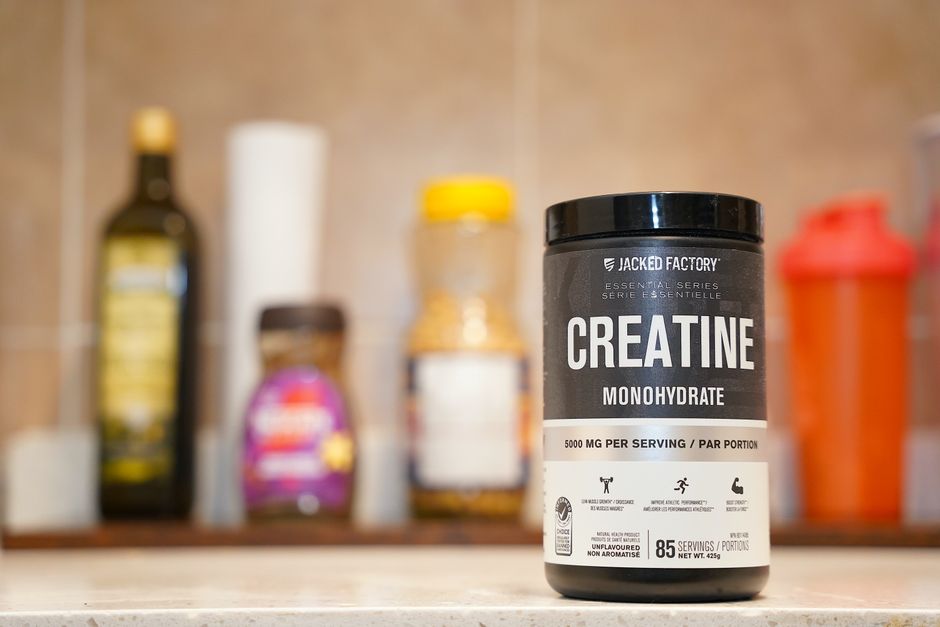
Creatine is one of the most researched supplements in sports science, but most of that research focuses on muscle gain and athletic performance, not fat loss. If your goal is specifically losing belly fat, creatine will not burn fat directly, but it can help you train harder and preserve muscle while you cut calories. That distinction matters because losing belly fat requires a calorie deficit, and creatine does not create one for you.
What Does Creatine Actually Do in Your Body?
Creatine is a compound your body makes naturally from amino acids. You also get it from eating meat and fish. As a supplement, it increases the amount of phosphocreatine stored in your muscles.
Phosphocreatine helps your body produce ATP, which is the energy currency your cells use. During short, intense efforts like lifting weights or sprinting, your muscles need ATP faster than your normal energy systems can supply it. Creatine helps bridge that gap.
The practical effect is simple. You can do a few more reps. You can lift slightly heavier weight. You can recover a little faster between sets. Over weeks and months, that extra work signals your body to build or maintain muscle.
Creatine does not increase your metabolism in any meaningful way. It does not suppress appetite. It does not block fat absorption. Its role in body composition change is indirect, through what it allows you to do in the gym.
Should You Take Creatine While Trying to Lose Belly Fat?
The short answer is yes, if you are strength training as part of your fat loss plan. Creatine is not a fat burner and will not target belly fat specifically. Spot reduction is not a real thing, and no supplement changes that.
What creatine can do is help you hold onto lean muscle while you are in a calorie deficit. When you eat fewer calories than you burn, your body risks breaking down muscle tissue for energy. Strength training tells your body to keep that muscle. Creatine makes your training more effective, which strengthens that signal.
More muscle mass means a slightly higher resting metabolic rate. Muscle is metabolically active tissue. The more you keep, the more calories you burn at rest, though the difference is modest.
There is also a direct effect on how you look. If you lose fat and preserve muscle, you look leaner and more defined. Losing fat alone without strength training can leave you looking soft, even at a lower weight.
Does Creatine Cause Water Retention or Bloating?
Creatine draws water into your muscle cells. This is not the same as bloating or subcutaneous water retention, which is water held under the skin that makes you look puffy.
Most of the water creatine pulls into your muscles stays there. This can make muscles look fuller, which most people consider a positive. It does not typically cause visible belly bloating.
Some people do report gastrointestinal discomfort when taking creatine. This is more common when taking a large loading dose all at once. Starting with a smaller dose and taking it with food reduces this risk.
The scale may go up slightly when you start creatine. This is water weight inside your muscle cells, not fat gain. It usually amounts to a few pounds and stabilizes within the first couple of weeks. If you are tracking progress, pay more attention to how your clothes fit and your waist measurement than the number on the scale.

What Is the Right Creatine Dose for Fat Loss?
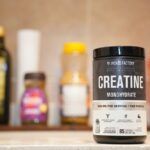
The standard dose is 3 to 5 grams per day. This is the amount that has been studied most extensively and is considered safe for long-term use in healthy adults.
A loading phase of 20 grams per day for five to seven days will saturate your muscles faster, but it is not necessary. Taking 3 to 5 grams daily will achieve the same muscle saturation in about three to four weeks. Skipping the loading phase also reduces the chance of stomach discomfort.
Timing does not matter much. Taking creatine at any time of day works. Some research suggests taking it around your workout is slightly better, but the difference is small. Consistency matters more than timing. Taking it every day is what produces results.
Creatine monohydrate is the form with the most evidence behind it. Other forms exist, but no research shows they work better. Creatine monohydrate is also the most affordable option.
Can Creatine Help You Lose Belly Fat Faster?
No study has shown that creatine directly speeds up belly fat loss. Fat loss comes down to energy balance. You must burn more calories than you consume, and where you lose fat first is determined mostly by genetics.
What the research does show is that creatine can improve body composition during a cutting phase. Studies consistently find that people who take creatine while dieting and strength training preserve more lean mass than those who do not. Some studies also show slightly greater fat loss in creatine groups, likely because the extra training volume burns additional calories.
The effect is modest. Creatine is not going to transform your results on its own. It works best as one piece of a plan that includes a calorie deficit, adequate protein, and regular strength training.
If you are not strength training, creatine will do little for your belly fat. Taking it while only doing cardio or no exercise at all provides minimal benefit for body composition changes.
Are There Risks or Side Effects You Should Know About?
Creatine is one of the most studied supplements in existence. Decades of research have not found serious adverse effects in healthy people at recommended doses.
The most common side effects are gastrointestinal discomfort and muscle cramping, though cramping is not well supported by research. Taking creatine with plenty of water and food reduces these risks.
There is an old claim that creatine damages kidneys. This has been repeatedly studied and not confirmed. People with pre-existing kidney disease should talk to their doctor before taking creatine, but healthy individuals do not appear to be at risk.
Creatine is not recommended for pregnant or breastfeeding women because no safety research exists for these populations. No clinical guidelines currently exist for this group.
If you take any medication or have a chronic health condition, talk to your doctor before starting creatine. This is standard advice for any supplement, not specific to creatine.
What Works Best for Losing Belly Fat Alongside Creatine?
A calorie deficit is the foundation. You cannot lose belly fat without one. This means eating consistently fewer calories than your body burns, and the deficit should come mostly from food choices rather than trying to out-exercise a poor diet.
Protein intake matters more during fat loss than most people realize. Higher protein intake helps preserve muscle while dieting and increases satiety, making the calorie deficit easier to maintain. A common recommendation is 1.6 to 2.2 grams of protein per kilogram of body weight daily for people who are actively training.
Strength training two to four times per week is the exercise that pairs best with creatine. This is what preserves muscle and creates the body composition changes you are after. Resistance training also has a modest effect on visceral fat, which is the fat stored around your organs and the type most closely linked to metabolic health.
Sleep and stress management are often overlooked but matter for belly fat. Poor sleep increases hunger hormones and can make sticking to a calorie deficit harder. Chronic stress raises cortisol, which is associated with increased abdominal fat storage.
How Long Before You See Results?
Creatine takes time to build up in your muscles. With a daily dose of 3 to 5 grams, full saturation happens in about three to four weeks. You may notice a small increase in strength or endurance before that.
Visible changes in belly fat take longer. A safe and sustainable rate of fat loss is about 0.5 to 1 percent of your body weight per week. At that pace, noticeable changes in your midsection typically appear within four to eight weeks, depending on your starting point.
Creatine will not speed up this timeline. What it does is ensure that the weight you lose is mostly fat rather than a mix of fat and muscle. This makes the final result look better even if the scale moves at the same speed.
Frequently Asked Questions
Will creatine make me gain belly fat?
No. Creatine does not cause fat gain. It can cause a few pounds of water weight inside muscle cells, which is not fat and does not accumulate around your belly.
Should I take creatine on rest days?
Yes. Taking creatine every day keeps your muscle stores saturated. Rest days are just as important as training days for maintaining consistent levels.
Is creatine safe to take every day?
Yes, for healthy adults. The standard dose of 3 to 5 grams daily has been studied for years without serious side effects. People with kidney disease should consult a doctor first.
Can I take creatine without working out?
You can, but it will not help you lose belly fat. Creatine only provides benefits when combined with strength training because its effects depend on enabling more work in the gym.
