
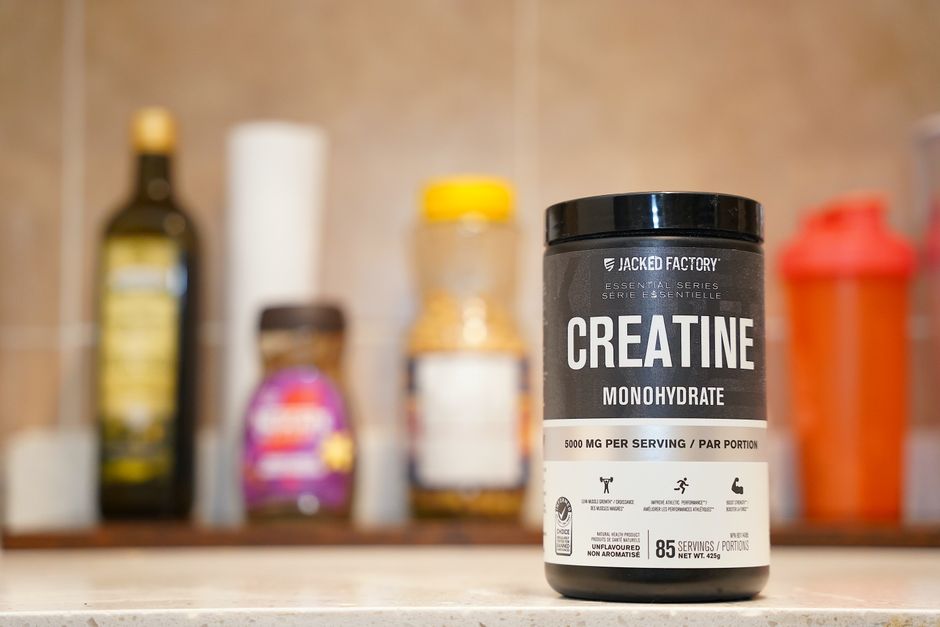
Creatine is one of the most studied supplements in sports nutrition, and it does not directly cause pimples or acne. The confusion comes from indirect effects—water retention, dehydration, and changes in training intensity—that can influence skin health in some people. For most users, creatine has no effect on acne, but understanding the mechanisms behind the rumors can help you decide if it matters for your skin.
Does Creatine Cause Pimples?
No. Clinical research has not established a direct link between creatine supplementation and acne breakouts. Creatine does not alter sebum production, clog pores, or trigger the hormonal pathways that cause pimples.
The belief that creatine causes acne likely stems from a few indirect factors. Creatine draws water into muscle cells, which can leave less water available for skin hydration if you do not drink enough. Dehydrated skin produces more oil to compensate, and that oil can contribute to clogged pores in people already prone to acne.
Another factor is training intensity. People often lift heavier and train longer while taking creatine. More sweat, more friction from equipment, and delayed post-workout cleansing can all contribute to breakouts independent of the supplement itself.
How Creatine Works in Your Body
Creatine is a compound your body produces naturally from amino acids. It is stored in skeletal muscle as phosphocreatine, which helps regenerate ATP—the primary energy currency of cells—during short bursts of high-intensity activity.
Supplementing with creatine increases muscle phosphocreatine stores by roughly 15 to 20 percent. This allows you to perform a few extra repetitions or lift slightly heavier weights before fatigue sets in. The ergogenic benefits are well documented, particularly for activities lasting under 30 seconds.
Creatine does not enter the bloodstream as a hormone. It does not bind to androgen receptors or influence testosterone signaling. Acne is driven primarily by androgens and sebum production, so the biological pathway for creatine causing acne is not supported by physiology.
The Dehydration and Skin Oil Connection
Creatine pulls water into muscle cells through osmosis. This is a local effect inside the muscle, but it can shift fluid balance across the body. If your total water intake stays the same while your muscles hold more water, other tissues—including skin—may receive slightly less hydration.
Skin that is under-hydrated can trigger increased sebum production. Sebum is the oily substance that lubricates skin, but excess sebum combined with dead skin cells can clog pores. This is a plausible mechanism for breakouts in some creatine users, but it is indirect and preventable.
Drinking adequate water while taking creatine eliminates this issue for most people. A common recommendation is to increase daily water intake by roughly one extra glass per serving of creatine, though individual needs vary with body size, climate, and activity level.



Training Intensity, Sweat, and Friction
Creatine reliably improves performance in resistance training. That means harder workouts, more sets, and longer sessions for many users. More training produces more sweat and more physical contact with equipment.
Sweat itself does not cause acne. But sweat mixed with bacteria, dead skin cells, and dirt can contribute to clogged pores when left on the skin. Friction from headbands, straps, or leaning against benches can irritate hair follicles and trigger inflammation.
Acne mechanica is a recognized form of acne triggered by heat, pressure, and friction. Athletes frequently develop it on areas where equipment contacts the skin. If you notice new breakouts after starting creatine, examine whether your training volume or equipment use changed at the same time.
What the Research Actually Shows
Studies on creatine supplementation have not reported acne as a side effect. The most commonly reported side effects are gastrointestinal discomfort and weight gain from water retention. Skin-related complaints are rare in clinical trials.
One area of ongoing interest involves creatine and dihydrotestosterone (DHT). DHT is a potent androgen linked to acne and hair loss. Some older, small studies suggested creatine might increase DHT levels, but these findings have not been consistently replicated, and no study has linked creatine-induced DHT changes to acne breakouts.
The evidence does not support avoiding creatine for skin concerns. If you are prone to acne, the more relevant variables are your cleansing routine, hydration, and how much you sweat during training.
How to Prevent Breakouts While Taking Creatine
If you want to use creatine and keep your skin clear, focus on the factors you can control. Hydration is the most important. Drink water consistently throughout the day, not just around your workout.
Cleanse your skin soon after training. Waiting an hour or more after a sweaty workout allows oil, sweat, and bacteria to sit on the skin. A gentle cleanser within 15 to 30 minutes after exercise reduces the chance of clogged pores.
Change out of sweaty clothing promptly. Shower after workouts and avoid re-wearing headbands, hats, or straps that have absorbed sweat and bacteria. Wash towels and pillowcases regularly.
Consider your other supplements and skincare products. Whey protein and weight-gainer powders are more commonly associated with breakouts than creatine. Some research suggests dairy-based protein powders may influence acne in susceptible individuals, though the evidence is not conclusive.
When Breakouts Are Not Related to Creatine
Acne has many causes, and timing does not equal causation. If you start creatine and develop pimples within a few weeks, the supplement is an easy suspect, but other changes often coincide with starting a new training program.
New workout routines change your diet, sleep, stress levels, and hygiene habits. Any of these can trigger breakouts. If you increased your calorie intake to support training, that can also affect skin.
If breakouts persist beyond several weeks despite good hydration and cleansing, see a dermatologist. They can identify whether your acne is hormonal, bacterial, or related to a product you are using. Do not assume creatine is the culprit without ruling out other causes.
Is Creatine Safe for Skin Health Long Term?
Long-term creatine use has been studied for decades, and no evidence indicates it damages skin or accelerates aging. Creatine is one of the most researched supplements in the world, with safety data extending over many years of continuous use.
Some skincare products even include creatine as an ingredient. Topical creatine has been studied for its potential to improve skin elasticity and reduce sagging, though the evidence is preliminary and not as strong as the evidence for oral creatine’s muscle benefits.
Oral creatine does not appear to have negative effects on collagen, skin thickness, or wound healing. The available research suggests it is neutral for skin at best and harmless at worst.
Creatine Forms and Skin Reactions
Creatine monohydrate is the most studied and most commonly used form. It is also the cheapest and most reliable. Other forms like creatine hydrochloride (HCL) and creatine ethyl ester exist, but they do not offer proven advantages over monohydrate.
Skin reactions to creatine supplements are extremely rare. If you experience hives, itching, or a rash after taking creatine, you may be reacting to an ingredient in the product—such as a flavoring, sweetener, or filler—rather than the creatine itself.
If a skin reaction occurs, stop the supplement and consider whether you changed brands or types recently. Switching to a plain, unflavored creatine monohydrate can help you determine if the reaction was caused by an additive.
Frequently Asked Questions
Can creatine make acne worse?
Creatine does not directly worsen acne. Indirect factors like dehydration, increased sweating, and heavier training can contribute to breakouts in people already prone to them.
How long after starting creatine can skin changes appear?
There is no established timeline because creatine does not directly affect skin. If breakouts appear, they typically coincide with training changes rather than the creatine itself.
Should I stop taking creatine if I get pimples?
Not necessarily. First address hydration and post-workout cleansing. If breakouts continue for several weeks with no other explanation, consult a dermatologist before stopping the supplement.
Does creatine cause hair loss or acne like steroids?
No. Creatine is not a steroid and does not work through the same hormonal pathways. Claims linking creatine to steroid-like side effects are not supported by research.
