
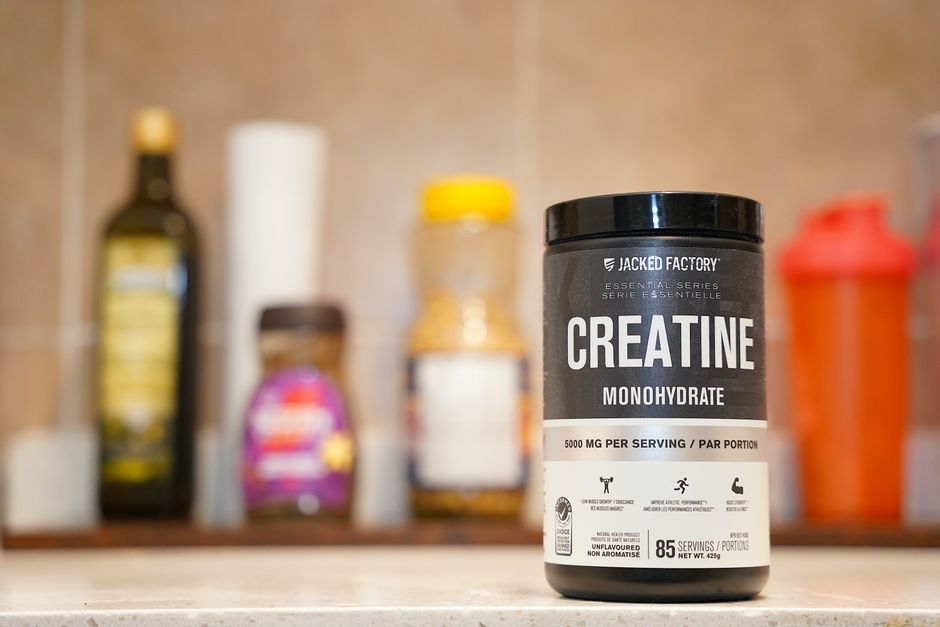
Creatinine and creatine sound almost identical, but they are not the same thing. Creatine is a substance your body makes and gets from food to supply energy to muscles. Creatinine is a waste product your body makes when it breaks down creatine. The difference matters because a blood test for creatinine is a common way to check how well your kidneys are working.
What Is Creatine?
Creatine is a natural compound made from three amino acids: arginine, glycine, and methionine. Your liver produces about 1 to 2 grams of creatine each day. You also get creatine from food, mainly from red meat and seafood.
About 95% of the creatine in your body is stored in your skeletal muscles. The rest sits in your brain, liver, and kidneys. Muscles use creatine to produce energy quickly during short bursts of exercise like sprinting or lifting weights.
Creatine is one of the most studied supplements in sports nutrition. Research consistently shows that creatine supplementation can increase muscle strength and power when combined with resistance training. It is not a steroid and not a banned substance in most sports.
What Is Creatinine?
Creatinine is a breakdown product of creatine and creatine phosphate. When your muscles use creatine for energy, some of it converts to creatinine and enters your bloodstream. Your kidneys filter creatinine out of your blood and remove it through urine.
Your body produces creatinine at a fairly steady rate. That steady rate is why creatinine is a useful marker for kidney function. If your kidneys are not filtering properly, creatinine builds up in your blood and the levels rise.
Creatinine itself does not do anything useful in your body. It is simply a waste product. You cannot supplement with creatinine to improve performance. Any product claiming to contain “creatinine” for muscle building is not providing creatine.
Is Creatinine And Creatine The Same Thing?
No. Creatine is the raw material your muscles use for energy. Creatinine is the leftover waste product after creatine has been used. The relationship is similar to how a log becomes ash after it burns. The log is useful fuel. The ash is what remains.
This distinction matters for two practical reasons. First, if you are buying supplements, you want creatine for performance, never creatinine. Second, if you are reading lab results, creatinine is a kidney function marker, not a measure of your creatine levels.
The two substances are chemically different. Creatine has a molecular weight of about 131 g/mol. Creatinine has a molecular weight of about 113 g/mol. They are related but distinct molecules.





How Creatinine Tests Your Kidney Function
Doctors order a creatinine blood test to estimate kidney function. Normal blood creatinine levels for adults typically range from about 0.7 to 1.3 mg/dL for men and 0.6 to 1.1 mg/dL for women. These ranges vary slightly by laboratory.
When your kidneys are healthy, they filter creatinine efficiently. When kidney function declines, creatinine levels in the blood rise. A single high creatinine reading does not automatically mean kidney disease. Dehydration, high protein intake, and intense exercise can temporarily raise creatinine levels.
Doctors often calculate an estimated glomerular filtration rate, or eGFR, from your creatinine level. The eGFR estimates how much blood your kidneys filter per minute. A normal eGFR is typically 90 or above. Values below 60 for three months or longer suggest chronic kidney disease.
Your muscle mass affects your creatinine level. People with more muscle naturally produce more creatinine. This is why normal ranges are different for men and women. Older adults and people with low muscle mass may have lower creatinine levels even with reduced kidney function.
Does Taking Creatine Raise Your Creatinine Levels?
Yes, creatine supplementation can raise blood creatinine levels slightly. This does not mean creatine damages your kidneys. The increase happens because you have more creatine available to break down into creatinine.
Studies on healthy people have not found evidence that creatine supplementation harms kidney function. Research has followed people taking creatine for months and found no significant changes in markers of kidney damage. The rise in creatinine is usually small and stays within the normal range.
If you take creatine and get blood work done, tell your doctor. A doctor who does not know you take creatine may see a slightly elevated creatinine level and order unnecessary tests. This is a common and frustrating scenario for people who lift weights and take creatine.
People with existing kidney disease should talk to their doctor before taking creatine. Some research suggests creatine is safe for people with certain kidney conditions, but the evidence is limited. The cautious approach is to ask your doctor first.
Other Factors That Affect Creatinine Levels
Several everyday factors can influence your creatinine level beyond kidney health. Knowing these factors helps you interpret lab results accurately.
- Dehydration reduces blood flow to the kidneys and can raise creatinine levels temporarily.
- High protein meals increase creatinine production for a few hours after eating.
- Intense exercise breaks down muscle tissue and can raise creatinine levels for a day or two.
- Medications like certain antibiotics, acid reducers, and blood pressure drugs can affect creatinine levels.
- Age naturally reduces muscle mass, which lowers baseline creatinine production.
If your creatinine test comes back high, your doctor will likely repeat the test before making any diagnosis. A single elevated reading is rarely enough to confirm kidney disease.
Creatinine is also measured in urine for some tests. A 24-hour urine collection can measure how much creatinine your body excretes. This test is sometimes used to assess muscle breakdown or to calculate creatinine clearance, another measure of kidney function.
Creatine Safety and Common Misconceptions
Creatine is not a steroid. It is not a performance-enhancing drug in the way that term is usually understood. It is a naturally occurring compound that is also found in food.
The most common side effect of creatine is water retention. Creatine pulls water into your muscle cells, which can cause slight weight gain in the first week of use. This is not fat gain.
Some people worry that creatine causes kidney damage, hair loss, or cramping. The evidence for kidney damage in healthy people is weak. Research on hair loss is limited and conflicting. Studies have not found a consistent link between creatine and muscle cramping.
Creatine monohydrate is the most studied form. Most research has used doses of 3 to 5 grams per day. Higher loading doses of 20 grams per day for 5 to 7 days are common but not necessary. Taking 3 to 5 grams daily will saturate your muscles within a few weeks.
When to See a Doctor About Creatinine Levels
You do not need to check your creatinine level unless a doctor orders it. Routine blood work often includes a creatinine test as part of a basic metabolic panel. This panel also measures electrolytes, blood sugar, and other markers.
See a doctor if you have symptoms that suggest kidney problems. These symptoms include swelling in your legs or ankles, foamy urine, blood in your urine, difficulty urinating, or persistent fatigue. These symptoms do not automatically mean kidney disease, but they warrant a medical evaluation.
People with diabetes, high blood pressure, or a family history of kidney disease should have their kidney function checked regularly. These conditions are the leading causes of chronic kidney disease in the United States.
If you are healthy and have no risk factors, you do not need to worry about your creatinine level. Your kidneys are remarkably resilient organs. Most people lose kidney function gradually over decades without noticing any symptoms until function drops significantly.
Frequently Asked Questions
Can taking creatine damage your kidneys?
No studies have shown that creatine damages kidneys in healthy people. If you have existing kidney disease, talk to your doctor before taking creatine.
Why is my creatinine high if my kidneys are fine?
Dehydration, intense exercise, high protein intake, and certain medications can temporarily raise creatinine levels. Your doctor will usually repeat the test before making a diagnosis.
How long does creatine stay in your system?
Creatine levels in your blood peak about 1 to 2 hours after taking a dose. If you stop taking creatine, your muscle stores return to normal within about 4 to 6 weeks.
Does creatine show up on a drug test?
No, creatine is not a banned substance and does not appear on standard drug tests. It is permitted by most sports organizations.
