
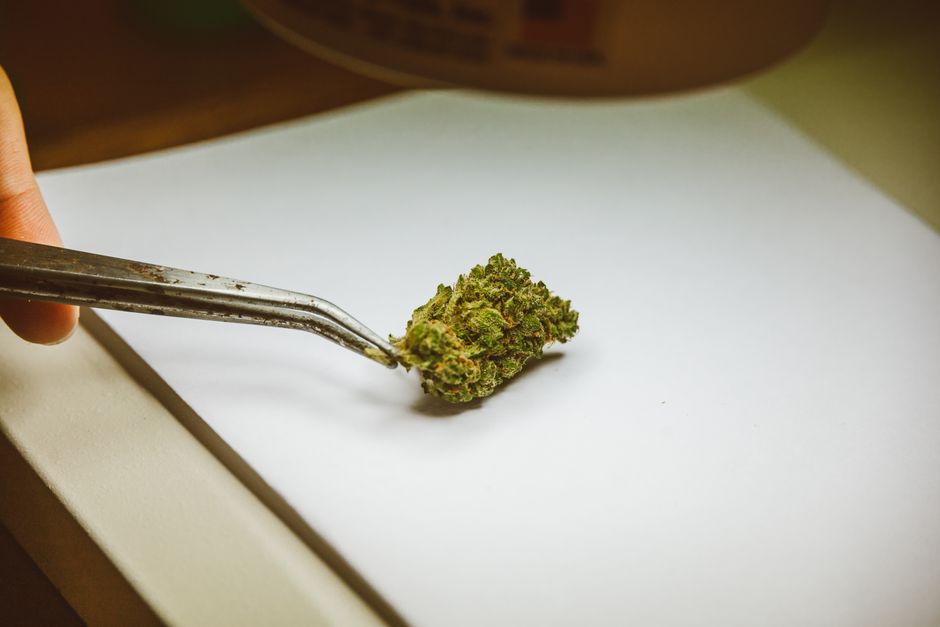
When it comes to PTSD relief, the choice between indica and sativa is not a simple one. Neither strain type is universally “better” for everyone with PTSD. The evidence points to indica strains being more commonly reported as helpful for sleep and anxiety, while sativa strains may be preferred by some for daytime energy and focus. However, the real answer depends heavily on your specific symptoms, your body’s chemistry, and how you react to different cannabinoid and terpene profiles.
What Are Indica and Sativa Really?
Indica and sativa are two main subspecies of the cannabis plant. They look different. Indica plants are short and bushy with wide leaves. Sativa plants are tall and thin with narrow leaves. These physical differences are real.
But the effects people attribute to each type are not as clear-cut as marketing suggests. The traditional belief is that indicas produce a “body high” that is relaxing and sedating. Sativas are thought to produce a “head high” that is energizing and uplifting. This framework is simple and popular, but it is not scientifically precise.
Modern research shows that the effects of any cannabis strain come from its chemical makeup. The two main active compounds are THC and CBD. THC is psychoactive and can cause euphoria, relaxation, and sometimes anxiety. CBD is non-intoxicating and may reduce anxiety and inflammation. Terpenes are aromatic compounds that also influence effects.
A strain labeled indica may have a completely different chemical profile than another strain labeled indica. The labels are not regulated or standardized. Two different dispensaries may sell “Northern Lights” with very different levels of THC and CBD.
What Does the Evidence Say About PTSD and Cannabis?
Research on cannabis for PTSD is still limited, but it is growing. Some studies have looked at how cannabis affects PTSD symptoms like nightmares, hypervigilance, and intrusive thoughts.
One area of focus has been the endocannabinoid system. This is a network of receptors in your body that helps regulate mood, memory, and stress responses. Some researchers believe that people with PTSD may have an endocannabinoid deficiency. This means their bodies may not produce enough natural cannabinoids to keep their stress response balanced.
THC from cannabis can bind to these receptors and temporarily change how the brain processes fear and memory. Some studies suggest this may reduce the intensity of traumatic memories. But the evidence is not strong enough to say cannabis is a proven treatment for PTSD.
The U.S. Department of Veterans Affairs has not endorsed cannabis as a treatment for PTSD. The FDA has not approved it for this purpose either. Some clinical trials are underway, but results are not yet conclusive.
Indica for PTSD: Sleep and Anxiety
Many people with PTSD report that indica strains help them sleep. Nightmares and insomnia are common PTSD symptoms. A strain that promotes deep relaxation may reduce the time it takes to fall asleep.
Indica strains are often higher in myrcene, a terpene that has sedative properties. Myrcene is also found in mangoes and hops. Some research suggests myrcene may increase the calming effects of THC.
For people whose main PTSD struggle is nighttime anxiety or racing thoughts, an indica may be the better choice. Users often describe the feeling as a “couch lock” or a heavy body relaxation. This can be helpful if you need to wind down and stop the mental replay of traumatic events.
But there is a downside. High-THC indicas can sometimes increase anxiety before they cause sedation. Some people experience paranoia or a racing heart, especially if they use too much. Starting with a low dose is important.


Sativa for PTSD: Energy and Focus
Sativa strains are less commonly recommended for PTSD, but they may help some people. The primary PTSD symptoms that sativas might address are low energy, depression, and difficulty concentrating.
Some people with PTSD feel emotionally numb or lethargic. A sativa with energizing terpenes like limonene or pinene may help lift mood and increase motivation. Limonene is found in citrus peels and has been studied for its potential anti-anxiety effects.
Sativas can also help some people stay present and focused during the day. This may be useful if you need to work or manage daily tasks. Feeling productive can improve a sense of control, which is often damaged by PTSD.
The risk with sativas is that they can increase anxiety and agitation in some people. A racing mind is already a problem in PTSD. Adding a stimulating cannabis strain can make hypervigilance worse. If you are prone to panic attacks, a sativa may not be the right choice.
Hybrids and Chemovars: The Modern Approach
Most cannabis available today is a hybrid. Breeders have crossed indicas and sativas to create plants with specific chemical profiles. The old binary of indica versus sativa is less useful than it once was.
Many experts now prefer the term “chemovar” instead of strain. A chemovar refers to the specific chemical variety of the plant. This includes its cannabinoid and terpene profile. This approach is more accurate because it describes what is actually in the plant.
For PTSD, a balanced hybrid might offer the best of both worlds. A hybrid with moderate THC and higher CBD may reduce anxiety without causing excessive sedation or stimulation. CBD can temper some of the psychoactive effects of THC. This combination may be more tolerable for people who are sensitive to THC.
When choosing a product, look at the lab test results if they are available. Check the THC and CBD percentages. Look for terpenes that match your needs. Myrcene and linalool for sleep. Limonene and pinene for mood and focus. This is more reliable than relying on the indica or sativa label alone.
Risks and Side Effects to Consider
Cannabis is not risk-free. THC can cause short-term memory problems and impaired coordination. It can also increase heart rate and blood pressure. For people with cardiovascular conditions, this could be a concern.
Long-term heavy use of high-THC cannabis has been linked to an increased risk of cannabis use disorder. Some research also suggests that frequent cannabis use may worsen anxiety over time, rather than improve it. This is especially true for people who use it daily to cope with stress.
There is also a concern about the interaction between cannabis and PTSD treatment. Cannabis may reduce the effectiveness of exposure-based therapies. These therapies rely on processing traumatic memories while in a safe setting. If cannabis blunts emotional responses, it may interfere with this learning process.
If you are taking prescription medications, talk to your doctor. Cannabis can interact with certain antidepressants and anti-anxiety medications. It can also affect how your liver processes other drugs.
How to Choose What to Try
If you decide to try cannabis for PTSD symptoms, start low and go slow. The general guidance is to begin with a product that has a low THC content, around 5-10%, and a moderate CBD content. This reduces the risk of anxiety and paranoia.
Consider the timing of use. An indica-dominant product may be better in the evening. A sativa-dominant or balanced hybrid may be better in the morning or early afternoon. Pay attention to how your body responds and keep a journal.
Vaping and smoking have faster onset times, usually within minutes. Edibles take longer to kick in, often 30 to 90 minutes, and the effects last longer. Edibles can be harder to dose accurately, and the delayed onset can lead to accidental overconsumption.
No clinical guidelines currently exist for using cannabis specifically for PTSD. This means there is no official recommended dose or strain. What works for one person may not work for another. Be honest with yourself about whether it is helping or making things worse.
Frequently Asked Questions
Can indica help with PTSD nightmares?
Many people report that indica strains reduce the frequency of nightmares. The sedative effects may promote deeper sleep, but no large clinical trials have confirmed this effect.
Does sativa make PTSD anxiety worse?
In some people, sativa strains can increase anxiety and agitation. If you are prone to panic attacks, a sativa may not be a safe choice.
Is CBD or THC better for PTSD?
CBD may reduce anxiety without the psychoactive effects of THC. Some evidence suggests a combination of both may be more effective than either alone, but research is still limited.
Can cannabis cure PTSD?
No. Cannabis may help manage some symptoms, but it is not a cure. Evidence-based treatments like trauma-focused therapy remain the standard of care.
