
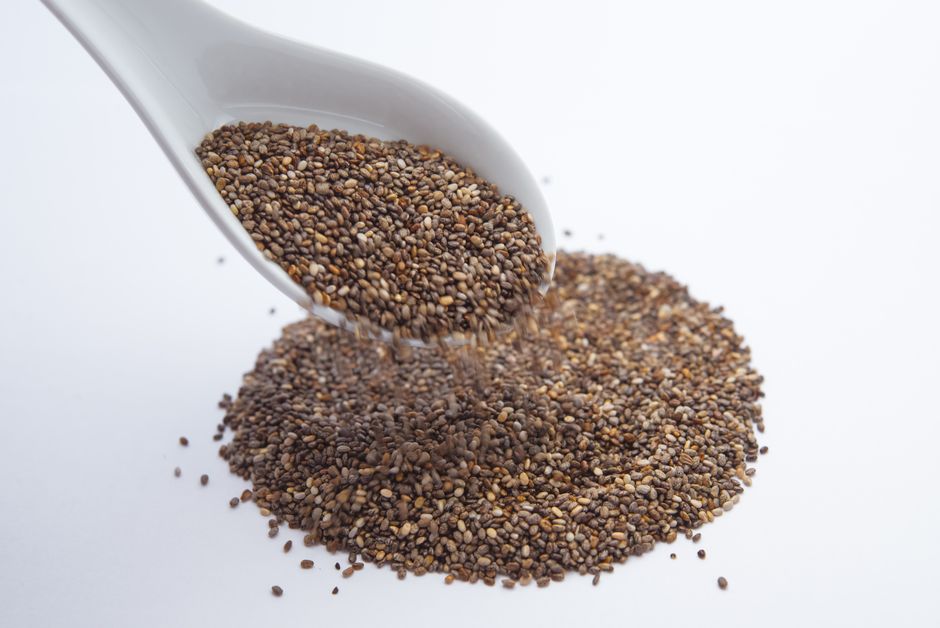
Grinding chia seeds changes how your body absorbs their nutrients, but it does not change what is inside them. Whole chia seeds pass through your digestive tract mostly intact, which means your body may miss many of the benefits. Grinding breaks the seed coat and makes the nutrients available, but it also changes how quickly the seeds absorb liquid and how they behave in food.
What Happens When You Eat Whole Chia Seeds
Chia seeds have a tough outer shell. That shell is not digestible by human enzymes. When you eat them whole, most seeds pass through your system without breaking open.
This is not necessarily bad. Whole chia seeds still provide fiber, which moves through your digestive tract and supports regularity. But the nutrients locked inside the seed — omega-3 fats, protein, minerals — stay mostly locked.
Some research suggests that grinding chia seeds increases the availability of certain nutrients, especially the omega-3 fatty acids. The seed coat is the barrier. Grinding removes that barrier mechanically, so your digestive system can reach what is inside.
One study compared whole and ground chia seeds and found that ground seeds released more nutrients during digestion. The difference was most noticeable for omega-3s. This does not mean whole seeds are useless. It means they are less efficient at delivering certain nutrients.
Nutritional Differences Between Whole and Ground Chia Seeds
The nutrient profile of the seed itself does not change when you grind it. A tablespoon of ground chia has the same calories, protein, fat, and fiber as a tablespoon of whole chia — if you measure by weight.
Volume is where people get confused. Ground chia is denser. A tablespoon of ground chia weighs more than a tablespoon of whole chia because whole seeds have air pockets between them. If you swap one for the other using the same measuring spoon, you change the amount you consume.
Here is the practical difference:
- Whole chia seeds — pass through mostly undigested, provide insoluble fiber, create a gel when soaked
- Ground chia seeds — nutrients are more available, absorb liquid faster, create a thicker gel
Both forms are nutritious. The question is what you want from them. If you want the omega-3 fats and minerals, ground is the better choice. If you want fiber that moves through your system, whole seeds work fine.
Does Grinding Affect Omega-3 Absorption
Chia seeds are one of the best plant sources of alpha-linolenic acid, a type of omega-3 fat. But plant omega-3s are not the same as fish omega-3s. Your body must convert ALA into the forms it can use, and that conversion is inefficient.
Grinding does not change the conversion rate. What it changes is how much ALA actually reaches your bloodstream. Whole seeds keep the ALA locked inside. Ground seeds release it during digestion.
Research published in the Journal of Nutrition found that ground chia seeds increased blood levels of ALA compared to whole seeds. The study was small, but the finding makes biological sense. Your body cannot absorb what it cannot access.
If you are eating chia seeds specifically for their omega-3 content, grinding is the better approach. But keep expectations realistic. Plant omega-3s are not a substitute for the EPA and DHA found in fish oil, regardless of how you prepare the seeds.




How Grinding Changes Texture and Use in Food
Whole chia seeds absorb water and form a gel. That gel is what makes chia pudding work. The seeds swell to many times their size and create a tapioca-like texture.
Ground chia absorbs water faster and creates a smoother, thicker gel. It works well as an egg replacement in baking because it binds ingredients together. One common substitution is one tablespoon of ground chia mixed with three tablespoons of water to replace one egg.
Ground chia can also thicken smoothies, soups, and sauces without adding noticeable texture. Whole seeds add crunch and visual interest but do not thicken as effectively.
There is one important difference in how they behave in liquid. Whole chia seeds form gel on the outside while the inside stays dry. Ground chia hydrates completely and evenly. This matters for recipes where you want consistent texture.
Is It Better To Grind Chia Seeds For Nutrition — What Does the Evidence Say
The evidence points in one direction: ground chia seeds deliver more nutrients to your body. The difference is real but not dramatic.
Studies consistently show that grinding increases nutrient availability. This is true for chia seeds and for many other seeds — flaxseed being the most studied example. The seed coat is a protective barrier that digestive enzymes cannot break down.
But whole chia seeds are not worthless. They still provide fiber and they still contribute to your overall nutrient intake. The question is efficiency, not whether one form is useless.
If you have digestive issues, whole chia seeds can sometimes cause discomfort because they absorb liquid and expand. Ground seeds are easier to digest. People with diverticulitis or other digestive conditions may tolerate ground seeds better, though you should talk to your doctor if you have concerns.
One practical note: ground chia seeds go rancid faster than whole seeds. The oils are exposed to air once the seed coat is broken. Store ground chia in an airtight container in the refrigerator and use it within a few months. Whole chia seeds can last for years stored properly.
How to Grind Chia Seeds at Home
You do not need special equipment. A coffee grinder works best. A blender or food processor also works, though you may need to shake it to get an even grind.
Grind only what you need for a few days at a time. Freshly ground chia has the best flavor and the most stable oils. If you buy pre-ground chia, check the expiration date and store it properly.
Here is a simple method:
- Measure the seeds you need
- Add them to a clean, dry coffee grinder
- Pulse for 10-15 seconds
- Check the texture — it should look like coarse flour
- Store leftovers in an airtight container in the fridge
Do not grind more than you will use in a week or two. The oils degrade quickly once exposed to air and light.
Which Form Should You Choose
Your choice depends on your goal. There is no single right answer.
Choose ground chia if you want maximum nutrient absorption, especially omega-3s and minerals. Choose whole chia if you want the fiber benefits and the classic chia pudding texture.
Many people use both. Whole seeds in a pudding or sprinkled on yogurt. Ground seeds in smoothies, baked goods, or as a thickener.
There is no harm in eating both forms. They complement each other. The important thing is to eat chia seeds at all — most people do not get enough fiber or plant omega-3s in their diet.
If you are using chia seeds for a specific health goal, grinding gives you more of what the seed has to offer. If you are using them for texture and fiber, whole seeds work perfectly well.
Frequently Asked Questions
Do ground chia seeds have more calories than whole chia seeds?
No. Grinding does not change the calorie content. But ground seeds are denser, so a tablespoon of ground chia weighs more than a tablespoon of whole chia and contains more calories.
Can I grind chia seeds in a blender?
Yes, but a coffee grinder works better. A blender may leave some seeds unground, and you may need to shake it several times to get an even texture.
How long do ground chia seeds last?
Ground chia seeds last about one to two months in an airtight container in the refrigerator. Whole chia seeds last much longer because the protective seed coat keeps the oils stable.
Is it safe to eat chia seeds every day?
Yes, for most people. Standard serving sizes are one to two tablespoons per day. Start with a smaller amount if you are not used to high-fiber foods, and drink plenty of water.
