
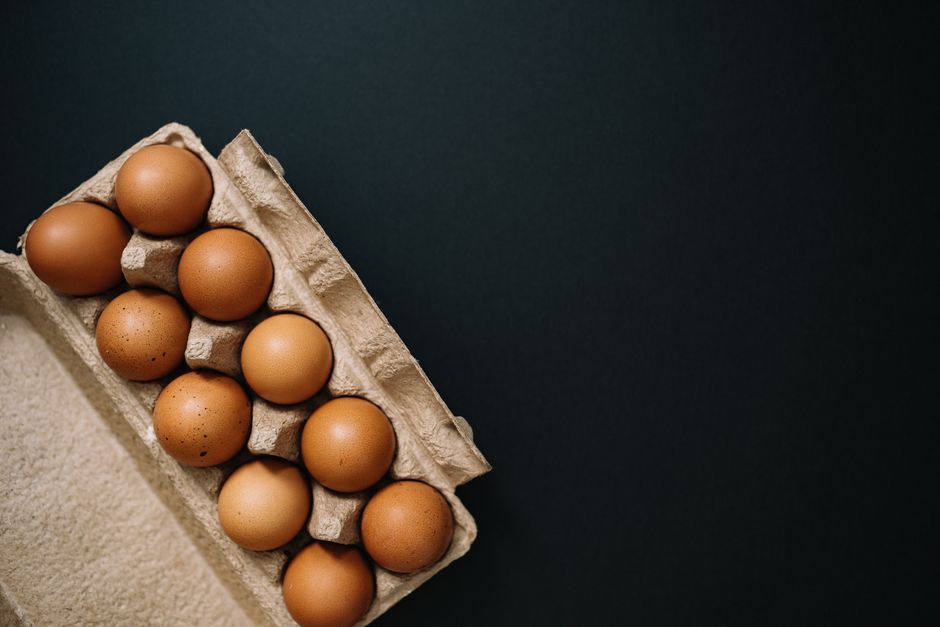
Eating raw eggs always carries some risk of Salmonella infection, and no method can guarantee they are completely safe. The most reliable way to cut that risk is to buy pasteurized eggs, which are heated to a temperature that kills bacteria without cooking the egg. If you choose to eat raw eggs that are not pasteurized, you can reduce—but not eliminate—the danger by choosing fresh eggs with intact shells, keeping them refrigerated, and handling them with clean hands and utensils. The only way to eliminate Salmonella risk entirely is to cook eggs until both the white and yolk are firm.
Why Are Raw Eggs A Salmonella Risk?
Salmonella is a type of bacteria that can live inside a hen’s ovary. That means the bacteria can be present inside the egg before the shell even forms. This is why washing the outside of an egg does not remove the risk—the contamination can already be inside.
The bacteria can also get on the outside of the shell from chicken feces during laying. If the shell cracks, bacteria can enter the egg. This is why eggs with cracked shells should never be eaten raw.
Most healthy adults who get Salmonella will recover in a few days with diarrhea, fever, and stomach cramps. But for older adults, young children, pregnant women, and people with weakened immune systems, the infection can be serious enough to require hospitalization.
What Are Pasteurized Eggs And Do They Work?
Pasteurized eggs are heated in their shells to a precise temperature that kills Salmonella bacteria. The temperature is high enough to destroy the bacteria but not high enough to cook the egg. The white and yolk look and behave almost exactly like raw eggs.
Research has consistently shown that pasteurization effectively eliminates Salmonella in eggs. This is the closest thing to a “safe raw egg” that exists.
Pasteurized eggs are available in most larger grocery stores. They are usually labeled clearly on the carton. They cost more than regular eggs, but the price difference is small compared to a hospital stay.
Liquid pasteurized egg products in cartons are also available. These are egg whites or whole eggs that have been pasteurized and packaged. They work well for recipes that call for raw eggs.
How To Eat Raw Eggs Safely And Cut Salmonella Risk
If you decide to eat raw eggs, follow these steps to reduce your risk as much as possible.
- Buy pasteurized eggs whenever possible. This is the single most effective step you can take.
- Check the shell before buying. Do not buy eggs with cracks, chips, or visible dirt.
- Keep eggs refrigerated at all times. Cold temperatures slow bacterial growth. Do not leave eggs on the counter.
- Wash your hands before and after handling eggs. Salmonella can transfer from your hands to other surfaces.
- Use clean bowls and utensils. Do not reuse a spoon or whisk that touched raw egg without washing it.
- Separate raw eggs from other foods. Keep them away from fresh produce, cooked foods, and anything you will not cook.
- Use eggs before the expiration date. Fresher eggs have less time for bacteria to multiply.
- Do not separate eggs with your hands. Use a clean tool. Eggshells can carry bacteria on the outside.
None of these steps guarantee safety. They reduce risk. The only guarantee is cooking.





Who Should Never Eat Raw Eggs?
Some people face a much higher risk of serious illness from Salmonella. For these groups, raw eggs are not worth the risk.
- Pregnant women. Salmonella can cause dehydration and fever that may harm the pregnancy.
- Infants and young children. Their immune systems are not fully developed.
- Older adults. Immune function weakens with age.
- People with weakened immune systems. This includes people undergoing chemotherapy, organ transplant recipients, and people with HIV or autoimmune diseases.
- People taking acid-reducing medications. Stomach acid is a natural defense against Salmonella. Reducing it increases vulnerability.
If you fall into any of these groups, use pasteurized eggs or avoid raw eggs entirely. There is no safe raw egg for these populations.
What About Egg Safety In Popular Raw Egg Recipes?
Classic recipes like Caesar salad dressing, homemade mayonnaise, hollandaise sauce, and tiramisu call for raw eggs. Many restaurant versions of these dishes use pasteurized eggs for this reason.
At home, you can make these recipes with pasteurized eggs and get the same result. The texture and flavor are very close to what you get with regular raw eggs.
Some people believe that adding acid—like lemon juice or vinegar—kills Salmonella in raw egg recipes. This is not reliable. Acid may reduce bacterial growth over time, but it does not reliably kill enough bacteria to make the egg safe. The evidence does not support using acid as a safety method.
Similarly, adding salt or sugar does not make raw eggs safe. These ingredients may slow bacterial growth, but they do not eliminate it.
How Common Is Salmonella In Raw Eggs?
The exact percentage of eggs contaminated with Salmonella varies by region and over time. Estimates from food safety agencies have ranged from roughly 1 in 10,000 to 1 in 30,000 eggs in the United States.
Those numbers sound small. But consider how many eggs people eat. The Centers for Disease Control and Prevention estimates that Salmonella causes about 1.35 million infections in the United States each year, and eggs are among the most common sources.
You cannot tell by looking at an egg whether it carries Salmonella. The egg looks, smells, and tastes normal. There is no visual sign of contamination.
Does Washing Eggs Help?
In the United States, eggs sold commercially are already washed and sanitized before they reach the store. Washing them again at home does not add meaningful protection and can actually increase risk.
Here is why. Eggs have a natural protective coating called the bloom. This coating helps keep bacteria from passing through the shell. Washing the egg removes that coating. Once removed, bacteria on the outside can more easily move through the shell’s tiny pores.
If you wash an egg, you may also spread bacteria from the shell to your hands, sink, and countertop. This can contaminate other foods.
Do not wash eggs before storing them. If an egg has visible dirt, it is better to discard it than to wash it and use it raw.
What Is The Safest Way To Use Raw Eggs In A Recipe?
When a recipe calls for raw eggs, you have two safe options.
The first is to use pasteurized eggs. This is the simplest and most reliable choice.
The second is to cook the egg mixture gently over low heat until it reaches 160°F (71°C). This is how some cooks make a “cooked” Caesar dressing or a warm hollandaise. The egg is heated enough to kill bacteria but not so much that it scrambles.
If you choose to use unpasteurized raw eggs, you are accepting the risk. No amount of careful handling removes it completely.
Frequently Asked Questions
Can you get Salmonella from raw eggs?
Yes, raw eggs can carry Salmonella bacteria, and eating them can cause infection. The risk is low per egg but real, especially for vulnerable groups.
Are pasteurized eggs safe to eat raw?
Yes, pasteurized eggs are heated to kill Salmonella and are considered safe to eat raw. They are the best choice for recipes that call for uncooked eggs.
Does lemon juice kill Salmonella in raw eggs?
No, lemon juice or other acids do not reliably kill enough Salmonella to make raw eggs safe. Acid may slow bacterial growth but does not eliminate the risk.
How can you tell if an egg has Salmonella?
You cannot tell by looking, smelling, or tasting. An egg with Salmonella looks and tastes completely normal, which is why prevention methods matter.
