
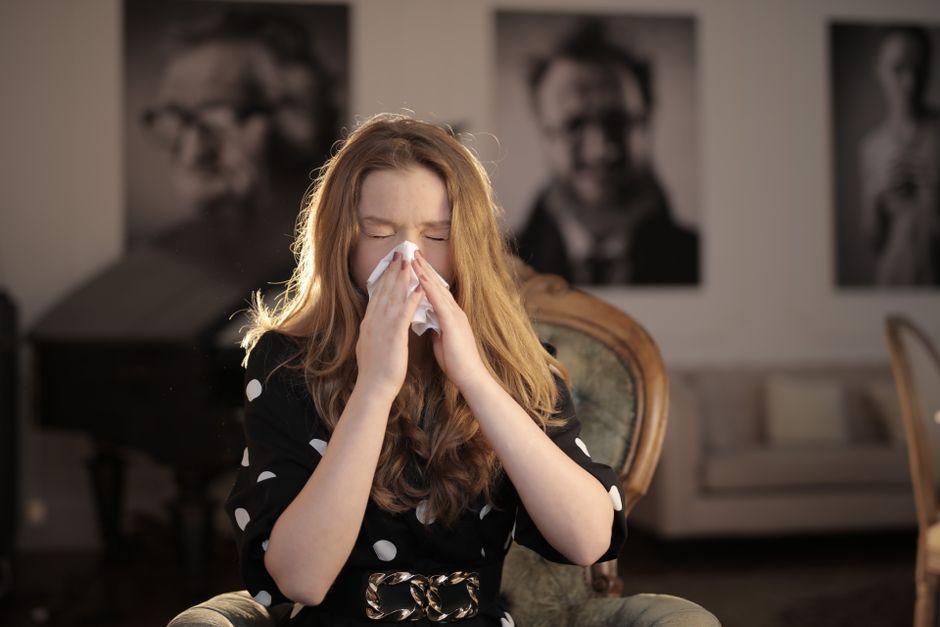
Sneezing from allergies can hit without warning. One moment you are fine, the next you are in a rapid-fire sneezing fit that leaves you exhausted. The fastest way to stop it is to interrupt the allergic response at the source: rinse your nasal passages with a saline spray, take a fast-acting antihistamine, and move away from the trigger. For immediate relief within minutes, a saline rinse or spray physically flushes out the pollen, dust, or dander sitting in your nasal lining. An oral antihistamine takes longer to work but blocks the histamine that drives the sneeze reflex, usually providing relief within an hour.
Why Do Allergies Make You Sneeze?
Sneezing is a protective reflex. Your body uses it to forcefully expel irritants from your nose. When you have an allergy, your immune system mistakes a harmless substance — like pollen or pet dander — for a threat.
Your immune system releases a chemical called histamine. Histamine causes blood vessels in your nose to dilate and leak fluid. This leads to congestion and a runny nose. It also irritates the nerve endings in your nasal passages, which triggers the sneeze reflex. The entire process happens within seconds of exposure. Understanding this chain reaction is key because each treatment option targets a different step in the process.
What Is The Fastest Way To Stop A Sneezing Fit?
The fastest physical action you can take is to use a saline nasal rinse or spray. Saline is just salt water. It does not contain medication. When you spray it into your nose, it thins out the mucus and literally washes away the allergen particles clinging to your nasal lining. This removes the trigger before it can cause more histamine release.
Saline sprays are safe to use repeatedly throughout the day. They have no side effects and do not cause drowsiness. For someone in the middle of a sneezing fit, this is the quickest way to stop the stimulus. Neti pots and squeeze bottles work similarly but require more setup and proper technique. A simple spray bottle is the fastest option when you are in public or at work.
If you need medication, an oral antihistamine is your next best bet. These drugs block the histamine receptors in your body, preventing the chemical from binding and causing symptoms. They do not remove the allergen, but they stop the body’s reaction to it. Antihistamines take roughly 30 to 60 minutes to reach peak effect in your bloodstream.
How To Stop Sneezing From Allergies Fast Relief With Antihistamines
Not all antihistamines work the same way. Older antihistamines, like diphenhydramine (Benadryl), work quickly and are very effective. However, they cross the blood-brain barrier and cause significant drowsiness. They are not ideal for daytime use unless you can rest.
Newer, second-generation antihistamines like cetirizine (Zyrtec), loratadine (Claritin), and fexofenadine (Allegra) are less sedating. They are designed to stay outside the central nervous system. While they may take slightly longer to kick in than older drugs, they are much safer for daily use at work or while driving. Cetirizine tends to work a bit faster than loratadine for some people, though individual responses vary.
Antihistamine nasal sprays, such as azelastine, work directly on the nasal tissues. They can provide relief faster than oral pills because they are applied exactly where the problem is. Some people feel relief within 15 to 30 minutes. These require a prescription in most cases. They can be a very effective option if oral medications are not controlling your symptoms.



Does An Antihistamine Stop Sneezing Immediately?
No. No oral antihistamine stops sneezing instantly. It takes time for the pill to dissolve and for the drug to circulate in your bloodstream. Even fast-acting formulas need at least 15 to 30 minutes to show noticeable effects.
If you need relief within seconds, a saline rinse is the only option that physically removes the allergen. Nasal antihistamine sprays are faster than pills but still not instant. If your sneezing is severe and sudden, use the saline spray first to clear your nose, then take an oral antihistamine to prevent the reaction from continuing.
Can You Prevent Allergy Sneezing Before It Starts?
Prevention is more effective than treatment. If you know you are allergic to pollen, check the local pollen count before going outside. On high-count days, keep windows closed and run the air conditioning. Change your clothes and shower after spending time outdoors to remove pollen from your skin and hair.
For pet allergies, keep pets out of the bedroom. Wash bedding in hot water weekly to remove dander. Using a HEPA filter in your bedroom can reduce airborne allergens while you sleep. These steps reduce your total allergen exposure, which lowers the chance of a sneezing fit starting at all.
For persistent allergies, daily use of a corticosteroid nasal spray like fluticasone or triamcinolone is the most effective preventive measure. These sprays reduce the inflammation in your nasal passages over time. They do not work immediately. It can take several days to a week of daily use to see full benefit. However, they dramatically reduce sneezing, congestion, and runny nose when used consistently.
Are There Natural Or Home Remedies That Work?
Some home remedies can help, but the evidence for them is not as strong as for medications. Quercetin, a plant pigment found in onions and apples, has some laboratory evidence of stabilizing mast cells that release histamine. However, no large human trials have confirmed that taking quercetin supplements reliably stops allergy sneezing. The evidence here is limited.
Steam inhalation can temporarily soothe irritated nasal passages. The moisture helps thin mucus and may make you feel more comfortable. It does not block histamine or remove allergens. Its effect on stopping a sneeze is indirect and temporary.
Spicy foods like horseradish or chili can trigger a runny nose, which may help flush out allergens. This is not a reliable or medically recommended treatment. It is more of a temporary physical effect than a true allergy remedy.
Honey is often promoted as a treatment for pollen allergies. The theory is that local honey exposes you to small amounts of pollen and builds tolerance. Clinical evidence does not support this. Bees collect pollen from flowers, not from the grasses and trees that cause most seasonal allergies. No clinical evidence currently confirms that honey reduces allergy symptoms.
When Should You See A Doctor For Allergy Sneezing?
Occasional sneezing that responds to over-the-counter medication does not require a doctor visit. You should seek medical advice if your symptoms are severe, last for several months, or do not improve with antihistamines and saline rinses.
See a doctor if your sneezing is accompanied by other symptoms like wheezing, chest tightness, or shortness of breath. These could indicate asthma, which often coexists with allergies. You should also see a doctor if your nasal discharge becomes thick, yellow, or green, or if you develop facial pain or pressure. These can be signs of a sinus infection that requires different treatment.
An allergist can perform skin testing to identify exactly what you are allergic to. This information allows for targeted prevention strategies. Allergy immunotherapy, commonly known as allergy shots, is a long-term treatment that can reduce your sensitivity to allergens. It is not a fast fix, but it can change how your immune system responds over several years.
What Is The Difference Between Allergic And Non-Allergic Sneezing?
Allergic sneezing is triggered by a specific substance your immune system reacts to. It often comes with itchy eyes, a clear runny nose, and sneezing fits. Symptoms tend to appear quickly after exposure to the trigger.
Non-allergic sneezing is triggered by irritants that do not involve the immune system. Strong odors, smoke, cold air, or changes in humidity can cause it. The symptoms are similar, but the mechanism is different. Antihistamines are less effective for non-allergic sneezing because histamine is not the main driver.
Some people have both types. If your sneezing happens year-round regardless of season, or if it is triggered by smells and temperature changes, non-allergic triggers may be involved. A doctor can help distinguish between the two based on your symptom pattern and testing.
Frequently Asked Questions
What stops sneezing from allergies fast?
A saline nasal spray or rinse is the fastest way to stop allergy sneezing because it physically washes the allergen out of your nose. An oral antihistamine works within 30 to 60 minutes but does not act instantly.
Why won’t my allergy sneezing stop?
Your sneezing may continue if you are still exposed to the allergen or if the histamine response is severe. Consider moving to a different environment, rinsing your nose, and taking a non-drowsy antihistamine.
Is it safe to take allergy medicine every day?
Daily use of second-generation antihistamines is generally safe for most adults when taken as directed. Long-term use of corticosteroid nasal sprays is also considered safe, but you should follow the label instructions and consult a doctor if you have other medical conditions.
Does drinking water help stop sneezing?
Staying hydrated keeps your nasal mucus thin, which can help your body flush out allergens more easily. Water does not block histamine or stop the allergic reaction itself.
