
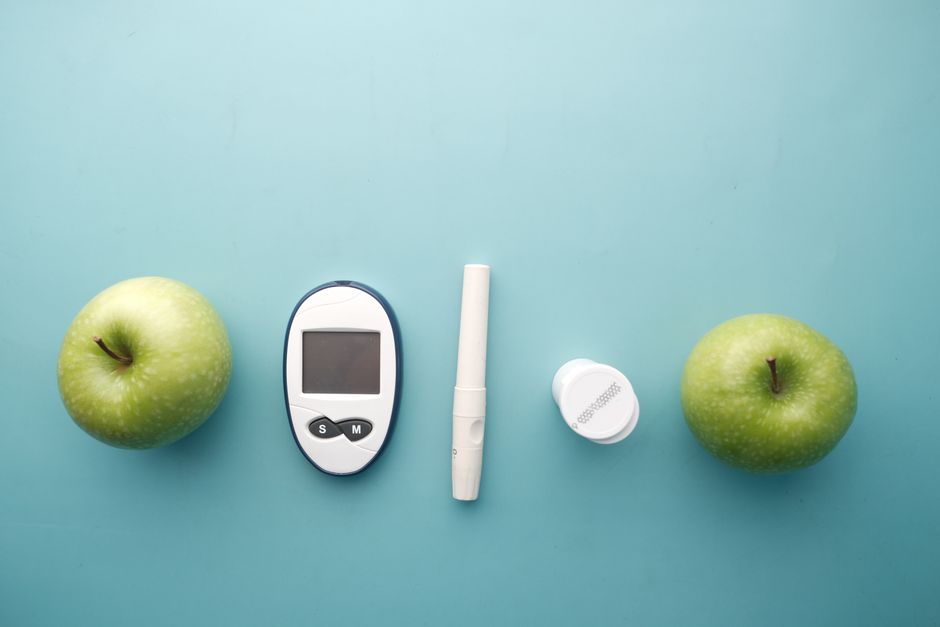
If you are following the low FODMAP diet to manage irritable bowel syndrome (IBS), you might wonder if glucose fits into your plan. The short answer is yes: glucose is low FODMAP and is generally well-tolerated by most people with IBS. Unlike fructose, which can trigger symptoms in some people, glucose is absorbed directly by the body and does not ferment in the gut the same way. This makes it a safe sweetener option and a useful tool for understanding how your body handles different types of sugars.
What Does Low FODMAP Actually Mean for Sugar?
FODMAP stands for Fermentable Oligosaccharides, Disaccharides, Monosaccharides, And Polyols. These are short-chain carbohydrates that some people cannot absorb properly in the small intestine. When they pass into the large intestine, gut bacteria ferment them, producing gas and drawing in water. That process causes bloating, pain, and changes in bowel habits.
Sugars fall into the “M” category — monosaccharides. The two main monosaccharides are glucose and fructose. Fructose is the one that causes problems for many people. Glucose is different. It does not need any special transport mechanism to be absorbed. Your body takes it up easily, so it does not reach the colon in significant amounts.
Research consistently shows that glucose is well absorbed in the small intestine. The issue arises when fructose is present in higher amounts than glucose. This is why table sugar (sucrose), which is half glucose and half fructose, is often better tolerated than pure fructose or high-fructose corn syrup.
Is Glucose Low Fodmap Benefits And Best Uses?
Glucose is low FODMAP, and its main benefit is that it provides a reliable sweetener that does not trigger the fermentation response that causes IBS symptoms. For people who react to fructose, glucose offers a way to sweeten foods and drinks without the digestive distress.
One of the best uses of glucose is in the fructose challenge test, which some clinicians use to diagnose fructose malabsorption. The test involves drinking a solution of pure fructose and measuring breath hydrogen. If symptoms occur, the person likely has fructose malabsorption. Adding glucose to the test can help determine whether the issue is specifically with fructose absorption or with overall sugar handling.
In everyday life, glucose is useful as a sweetener in baking and beverages. It is less sweet than table sugar, so you may need more of it to achieve the same sweetness. But for those who are sensitive to fructose, it is a safer choice. Glucose also has a lower glycemic index than some other sweeteners, meaning it raises blood sugar more gradually than sucrose does, though the difference is modest.
How Glucose Differs From Other Sweeteners
Not all sweeteners are created equal on the low FODMAP diet. Understanding the differences helps you make better choices. Here is a quick comparison of common sweeteners:
| Sweetener | FODMAP Status | Notes |
|---|---|---|
| Glucose (dextrose) | Low FODMAP | Well absorbed, safe for most IBS patients |
| Table sugar (sucrose) | Low FODMAP | Contains equal parts glucose and fructose |
| Pure fructose | High FODMAP | Often triggers symptoms in sensitive individuals |
| High-fructose corn syrup | High FODMAP | Contains more fructose than glucose |
| Honey | High FODMAP | Contains excess fructose relative to glucose |
| Agave nectar | High FODMAP | Very high in fructose |
| Aspartame | Low FODMAP | Artificial sweetener, no FODMAP content |
| Stevia | Low FODMAP | Plant-derived, no FODMAP content |
The key distinction is the ratio of fructose to glucose. When fructose exceeds glucose, absorption becomes less efficient. When glucose is equal to or greater than fructose, the fructose is more easily absorbed. This is why glucose is considered a safe base for sweetening.

Does Glucose Cause Bloating or Gas?
For most people, glucose does not cause bloating or gas because it is fully absorbed in the small intestine. However, there are exceptions. Some research suggests that in certain individuals, even glucose can be malabsorbed, particularly if they have small intestinal bacterial overgrowth (SIBO). In SIBO, bacteria in the small intestine can ferment glucose before it is absorbed.
If you notice symptoms after consuming glucose, it may be worth discussing SIBO testing with your doctor. But for the vast majority of people following a low FODMAP diet, glucose is well tolerated. It is not a common trigger for IBS symptoms.
Another consideration is the form of glucose you consume. Pure glucose powder or tablets are the most straightforward. Glucose is also present in many processed foods, often as dextrose. Check ingredient labels, as dextrose is the same molecule as glucose and carries the same low FODMAP status.
Practical Tips for Using Glucose on a Low FODMAP Diet
Using glucose effectively requires some practical knowledge. Here are the main points to keep in mind:
- Glucose is about 70-75% as sweet as table sugar. You may need to adjust recipes.
- Glucose dissolves well in liquids, making it useful for drinks and sauces.
- In baking, glucose can affect browning and moisture. It tends to produce a softer, moister product.
- Glucose is available as a powder, syrup, or tablets. Powder is most versatile for home use.
- Always check labels for hidden sources of fructose, such as fruit juice concentrates.
One common mistake is assuming that all “natural” sweeteners are low FODMAP. Honey and agave are natural but high in fructose. Glucose is a refined product, but it is safer for IBS symptoms than many natural alternatives.
If you are using glucose to manage IBS symptoms, it is best to introduce it slowly. Start with small amounts and see how your body responds. This is particularly important if you have not yet completed the elimination phase of the low FODMAP diet.
Glucose and Blood Sugar: What You Should Know
Glucose is the primary fuel for your body, but it does affect blood sugar levels. This matters if you have diabetes or prediabetes alongside IBS. Glucose raises blood sugar quickly, though slightly less rapidly than pure sucrose. The glycemic index of glucose is around 100, which is the reference point for all other foods.
If you have blood sugar concerns, glucose is not necessarily the best sweetener choice. Artificial sweeteners like aspartame or stevia do not affect blood sugar at all. However, if you are managing both IBS and diabetes, the choice becomes more complex. You may need to balance digestive tolerance with blood sugar control.
Some research suggests that glucose consumed with protein or fat can slow its absorption, reducing blood sugar spikes. This is a practical strategy if you want to use glucose but are concerned about blood sugar. Pairing glucose with a source of protein or fat, such as nuts or yogurt, can help stabilize the response.
Common Myths About Glucose and IBS
Several myths circulate about glucose and digestive health. One is that all sugars are equally problematic for IBS. This is false. The FODMAP content of a sugar depends on its molecular structure and absorption characteristics. Glucose is fundamentally different from fructose in this regard.
Another myth is that glucose feeds gut bacteria in a harmful way. While glucose can be fermented by bacteria in the colon, this only happens if it reaches the colon. In healthy individuals, glucose is absorbed before it gets that far. The fermentation that drives IBS symptoms is primarily driven by fructose, lactose, and other FODMAPs that are not efficiently absorbed.
A third myth is that glucose is addictive or causes cravings in the same way as other sugars. This is not supported by evidence. Glucose is metabolized normally and does not have unique addictive properties. It is simply a carbohydrate that provides energy.
When to Avoid Glucose
There are situations where glucose should be avoided, even though it is low FODMAP. If you have diabetes, glucose will raise your blood sugar, so it should be consumed in moderation. If you have SIBO, glucose may be fermented in the small intestine and cause symptoms. If you have a rare metabolic disorder, such as glucose-galactose malabsorption, you should avoid glucose entirely.
For most people following a low FODMAP diet, glucose is a safe and useful option. It provides sweetness without the digestive consequences of fructose. The evidence is clear that glucose is well absorbed and does not trigger the fermentation process that leads to IBS symptoms.
If you are uncertain about how your body handles glucose, keep a food diary. Track your symptoms after consuming glucose-containing foods. This will give you personal data that is more useful than any general recommendation.
Frequently Asked Questions
Can I eat glucose on a low FODMAP diet?
Yes, glucose is low FODMAP and is well absorbed by the body. It does not ferment in the gut like fructose or other high FODMAP sugars.
Is dextrose the same as glucose?
Yes, dextrose is the same molecule as glucose. They are chemically identical, and dextrose is simply the commercial name for glucose.
Does glucose cause IBS symptoms?
For most people, glucose does not cause IBS symptoms because it is fully absorbed in the small intestine. If you have SIBO, glucose may cause issues, but this is uncommon.
What sweeteners are safe on a low FODMAP diet?
Glucose, table sugar, aspartame, and stevia are all low FODMAP. Avoid honey, agave, and high-fructose corn syrup because they contain excess fructose.
