
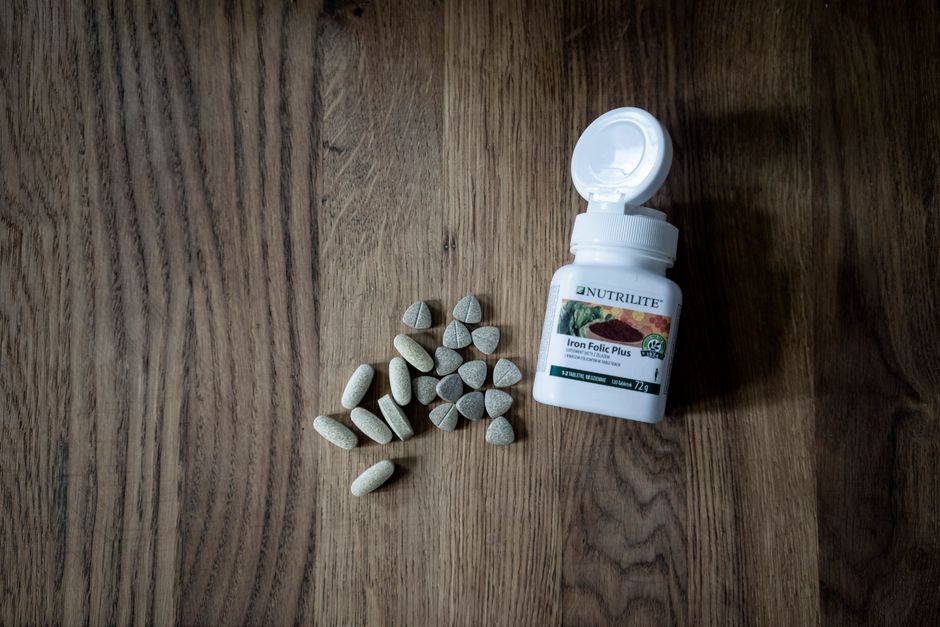
Folic acid is a synthetic form of folate, a B vitamin your body needs to make DNA and new cells. It is not found naturally in food — it is manufactured and added to supplements and fortified foods. It is safe for most people at recommended amounts, and it is the form used in the established guidance for preventing certain birth defects.
The confusion around folic acid usually comes from mixing two different questions. One is whether it is synthetic. The other is whether synthetic means harmful. Those are separate issues, and the answers are not the same.
What Makes Folic Acid Different From Natural Folate?
Folate is the umbrella term for a family of related compounds. You get natural folate from foods like leafy greens, beans, lentils, and citrus. Folic acid is a single, stable, man-made molecule.
The difference matters because your body handles them differently. Natural folate in food is already in a form your cells can use. Folic acid is not. Your body has to convert it first, using an enzyme called dihydrofolate reductase, mostly in the liver.
That conversion step is the source of much of the debate. It is also why folic acid is measured differently. On food labels and supplement labels, one microgram of folic acid counts as roughly 1.7 micrograms of dietary folate equivalents, because folic acid is absorbed more completely than the folate in food. This is a labeling convention, not a claim about superiority.
Here is a point that gets lost. Folic acid is more stable and better absorbed than natural food folate. That is exactly why it is used in supplements and in fortified foods like enriched flour and cereal grains. Stability and absorption are practical advantages, not marketing spin.
Is Folic Acid Synthetic And Is It Safe To Take?
Yes, folic acid is synthetic, and at recommended amounts it is safe for most people. This is one of the better-established positions in nutrition.
The strongest evidence is in pregnancy. Research consistently shows that adequate folic acid before and early in pregnancy reduces the risk of neural tube defects — serious malformations of the brain and spine, such as spina bifida. This is why public health bodies recommend folic acid supplementation for people who could become pregnant. The evidence here is not marginal. It is one of the clearest findings in preventive nutrition.
For the general population, the recommended daily amount of folate is measured in dietary folate equivalents. For adults, the established recommendation is 400 micrograms of dietary folate equivalents per day. During pregnancy, the recommended intake is higher — 600 micrograms of dietary folate equivalents daily — and clinical guidance typically calls for a folic acid supplement in addition to food folate.
Safety at these levels is well supported. The main documented concern is not about normal intake. It is about very high intakes over time, which is a different question, and one worth understanding clearly.
What Does The Research Say About High Doses?
At normal recommended amounts, folic acid does not cause harm in most people. The concern shifts when intake gets much higher than guidelines call for.
One real issue is masking. High intakes of folic acid can correct the anemia caused by vitamin B12 deficiency without correcting the underlying nerve damage. That can delay diagnosis of a B12 problem that needs treatment. This is why there are established upper limits. For adults, the upper limit for folic acid from supplements and fortified foods — not from natural food folate — is 1,000 micrograms per day.
That upper limit applies to the synthetic form specifically. Natural folate from food does not have a set upper limit, because it has not been shown to cause the same problems.
Some research has raised questions about very high blood levels of unmetabolized folic acid, the folic acid that circulates before your body converts it. Some studies suggest associations with certain outcomes, but the evidence is mixed and largely observational. Observational studies can show relationships, not cause and effect. No clinical evidence currently confirms that these circulating levels cause harm at recommended intakes. It is an area of active research, and honest uncertainty is the right position here.





Who Should Be More Careful With Folic Acid?
Most people do not need to worry about folic acid at recommended amounts. A few groups have specific reasons to pay closer attention.
- People with vitamin B12 deficiency. High folic acid intake can mask the anemia of B12 deficiency, so this group needs B12 addressed directly.
- People taking certain medications. Some drugs, including methotrexate and certain anti-seizure medications, interact with folate metabolism. Anyone on these should discuss folate with their clinician rather than adjust intake alone.
- People with a known MTHFR gene variant. This gene affects how efficiently some people convert folic acid. The practical significance is debated, and the evidence that this changes health outcomes at normal intakes is limited. Some clinicians recommend a different form of folate, but this is not strongly established as necessary for everyone.
That last point deserves care. MTHFR testing and “methylated folate” products are heavily marketed. Reduced conversion efficiency is real in a laboratory sense. Whether it translates into meaningful health problems for most people at normal folic acid intakes is not established. Be skeptical of anyone selling a solution to a problem that may not exist for you.
Should You Choose Folic Acid Or Methylfolate?
Methylfolate is a form of folate that is already converted and ready for your body to use. It is sold in supplements, often at higher prices, with claims that it is better absorbed or more “natural.”
The evidence does not clearly support those claims for most people. Folic acid has the strongest body of evidence behind it, particularly for preventing neural tube defects. Methylfolate has not been shown in large trials to be more effective for that purpose. For the general population, the established recommendation is folic acid.
Some people with specific conversion issues may benefit from methylfolate, and some clinicians recommend it. That is a reasonable clinical judgment in individual cases. It is not an established reason for everyone to switch.
How Much Folic Acid Do You Actually Need?
The amount depends on your life stage, and the guidance is fairly consistent across major health authorities.
| Group | Recommended daily folate (dietary folate equivalents) |
|---|---|
| Adults | 400 micrograms |
| Pregnancy | 600 micrograms |
| Breastfeeding | 500 micrograms |
These are general reference intakes. Individual needs can vary, and a clinician can help you sort out what applies to you. For people who could become pregnant, the key timing point is that folic acid matters most before conception and in the earliest weeks of pregnancy — often before someone knows they are pregnant. That is why supplementation is recommended for anyone who might conceive, not just those actively trying.
You can meet much of your needs through food. Fortified grains, leafy greens, beans, and citrus all contribute. Supplements fill gaps, and in pregnancy they are typically recommended on top of food intake.
The Bottom Line
Folic acid is synthetic. That is a fact, not a flaw. At recommended amounts, it is safe for most people and has strong evidence behind it, especially for preventing birth defects. The genuine cautions involve very high intakes, vitamin B12 deficiency, and certain medications — not normal use.
Be wary of framing that treats “synthetic” as automatically harmful. Some synthetic vitamins are well studied and clearly beneficial. Some natural compounds are risky. The label tells you where a substance came from, not whether it helps or harms you. What matters is the dose, the evidence, and your own situation.
Frequently Asked Questions
Is folic acid the same as folate?
No. Folate is the general term for a family of related compounds found in food, while folic acid is a specific synthetic form used in supplements and fortified foods. Your body converts folic acid into usable forms before cells can use it.
Is folic acid safe to take every day?
Yes, at recommended amounts it is safe for most people. Adults should generally keep folic acid from supplements and fortified foods at or below 1,000 micrograms per day unless a clinician advises otherwise.
Can folic acid hide a vitamin B12 deficiency?
Yes. High folic acid intake can correct the anemia caused by B12 deficiency while leaving the underlying nerve damage untreated, which can delay diagnosis. This is one reason upper limits exist for the synthetic form.
Should I take methylfolate instead of folic acid?
For most people, the evidence does not show methylfolate is more effective, and folic acid has the strongest evidence for preventing birth defects. Some clinicians recommend methylfolate for specific cases, but it is not an established reason for everyone to switch.
