
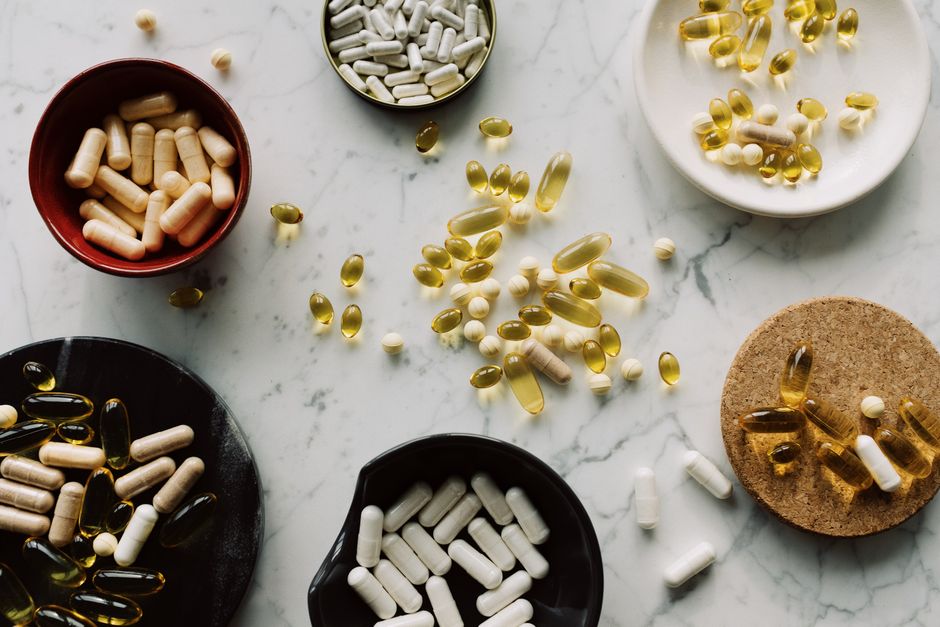
Probiotics are generally considered safe for most pregnant women when taken as food or supplements, but the evidence base is thinner than marketing suggests. No major health authority has approved any probiotic product specifically for pregnancy. The strongest safety data comes from fermented foods and from supplements studied in clinical trials, not from the broader supplement market. If you are pregnant and considering a probiotic, the honest position is that safety looks reasonable for healthy women, while proven benefit is limited to specific situations.
Are Probiotics Safe During Pregnancy?
For healthy pregnant women, probiotic supplements and fermented foods have not been linked to serious harm in the research published to date.
That statement comes with real limits. Most safety data comes from trials of specific bacterial strains given for specific reasons, often to prevent gestational diabetes or to reduce allergy risk in the baby. Those trials generally report side effects similar to placebo, mostly mild digestive complaints. The broader commercial market is far less studied.
One important distinction: the safety of a strain tested in a clinical trial does not automatically transfer to a different product on a store shelf. Probiotic effects are strain-specific. A product claiming “10 billion CFU” tells you nothing about which strains it contains or whether those strains have ever been studied in pregnancy.
Women who are immunocompromised, have a central venous line, or have certain structural heart conditions face a different risk picture. Probiotics have caused rare serious infections in these groups outside pregnancy. If you fall into one of these categories, talk with your clinician before starting any probiotic.
What Does the Evidence Actually Show About Benefits?
The evidence for benefit is mixed and depends heavily on which outcome you are asking about.
Some trials suggest certain probiotic strains may reduce the risk of gestational diabetes in women at higher risk. Results vary between studies, and different trials used different strains, doses, and timing. This is not a settled finding, and no probiotic is approved to prevent gestational diabetes.
There is also research interest in whether probiotics taken during pregnancy and breastfeeding reduce the risk of eczema in infants. Some studies suggest a modest reduction with specific strains. Other studies have not confirmed this. The evidence is not strong enough to make a general recommendation.
For vaginal health, some clinicians recommend oral or vaginal probiotics alongside standard treatment for bacterial vaginosis. This is common clinical practice, but the trial evidence for preventing recurrence in pregnancy is limited.
What probiotics have not been shown to do is prevent preterm birth, reduce pregnancy complications broadly, or improve outcomes for every pregnant woman. Claims that a daily probiotic “supports a healthy pregnancy” are marketing language, not established findings.
What About Probiotics for Vaginal and Gut Health in Pregnancy?
Pregnancy changes the vaginal microbiome. Lactobacillus species tend to dominate more during pregnancy than at other times, and this shift is thought to help protect against harmful bacteria.
When the vaginal balance is disrupted, conditions like bacterial vaginosis can occur. Bacterial vaginosis has been associated with pregnancy complications, which is why it is treated. Whether probiotics help prevent it from coming back is a separate question, and the evidence there is limited.
For gut health, the picture is simpler. Probiotics can help with some digestive issues, and constipation is common in pregnancy. Some clinicians suggest fermented foods or probiotic supplements for pregnancy-related constipation, but this is based more on general probiotic evidence than on pregnancy-specific trials.
Here is a point worth knowing: the vaginal and gut microbiomes are connected but not the same. Taking an oral probiotic does not reliably change the vaginal microbiome. Some research suggests certain oral Lactobacillus strains can travel to the vagina, but this is not consistent across strains or products.





Are Fermented Foods a Safer Choice Than Supplements?
Fermented foods carry a long history of use in pregnancy and a generally favorable safety profile when handled properly.
Yogurt with live cultures, kefir, and some fermented vegetables are common sources. They provide live bacteria along with protein, calcium, and other nutrients. For most pregnant women, these foods are a reasonable way to include probiotics in the diet.
Food safety matters here. Pregnant women are advised to avoid unpasteurized dairy and raw or undercooked foods because of the risk of listeria and other infections. Check labels: most commercial yogurt and kefir are pasteurized before fermentation, which is fine. Unpasteurized raw milk products are not recommended in pregnancy regardless of probiotic content.
Fermented foods also contain far fewer bacteria than concentrated supplements, and the strains vary. That lower dose is generally not a problem for safety. It does mean fermented foods are unlikely to deliver the specific strains and doses used in clinical trials.
What Should You Check Before Choosing a Probiotic?
Probiotic supplements are regulated as food, not medicine, in the United States. That means they do not need to prove effectiveness before being sold, and what is on the label is not always what is in the bottle.
Independent testing has repeatedly found that some products contain fewer live bacteria than claimed, or strains different from those listed. This matters more in pregnancy, when you want to know exactly what you are taking.
A few practical checks help:
- Look for the full genus and species name, such as Lactobacillus rhamnosus, plus a strain identifier if listed.
- Check whether the product states the number of live organisms at the end of shelf life, not just at the time of manufacture.
- Look for third-party testing marks from independent labs.
- Prefer products whose specific strains have been studied in pregnancy if you are taking one for a specific reason.
Doses in pregnancy trials vary widely by strain and purpose. There is no single established dose for pregnancy, and no clinical guidelines set one for general use. If a clinician recommends a specific product, follow their guidance rather than a general label.
When Should You Talk to Your Clinician First?
Talk with your clinician before starting a probiotic if you have a weakened immune system, are taking immunosuppressant medications, or have a serious chronic condition.
Also raise it if you have had a preterm birth or pregnancy complications before, or if you are considering a probiotic to treat a specific problem like recurrent vaginal infections. Those situations call for a proper diagnosis, not a supplement.
Probiotics are not a treatment for infection. If you have symptoms of a vaginal infection, fever, or unusual discharge in pregnancy, see your clinician. Self-treating with probiotics can delay proper care.
One more clarification: “generally recognized as safe” status for a bacterial species does not mean a specific supplement has been tested in pregnancy. Those are different standards, and it is easy to conflate them.
Frequently Asked Questions
Are probiotics safe during pregnancy?
Probiotics appear safe for most healthy pregnant women based on available research, though the evidence is strongest for specific strains studied in trials. Women who are immunocompromised should check with their clinician first.
Can probiotics prevent gestational diabetes?
Some trials suggest certain strains may lower risk in higher-risk women, but results vary and no probiotic is approved for this purpose. It is not an established prevention strategy.
Should I take a probiotic supplement or eat yogurt during pregnancy?
Either can be reasonable, but fermented foods like pasteurized yogurt and kefir have a long safety history and add nutrients. Supplements are less regulated and vary in quality.
Do probiotics help prevent allergies in babies?
Some studies suggest specific strains taken during pregnancy and breastfeeding may reduce infant eczema risk, but findings are inconsistent. The evidence is not strong enough for a general recommendation.
