
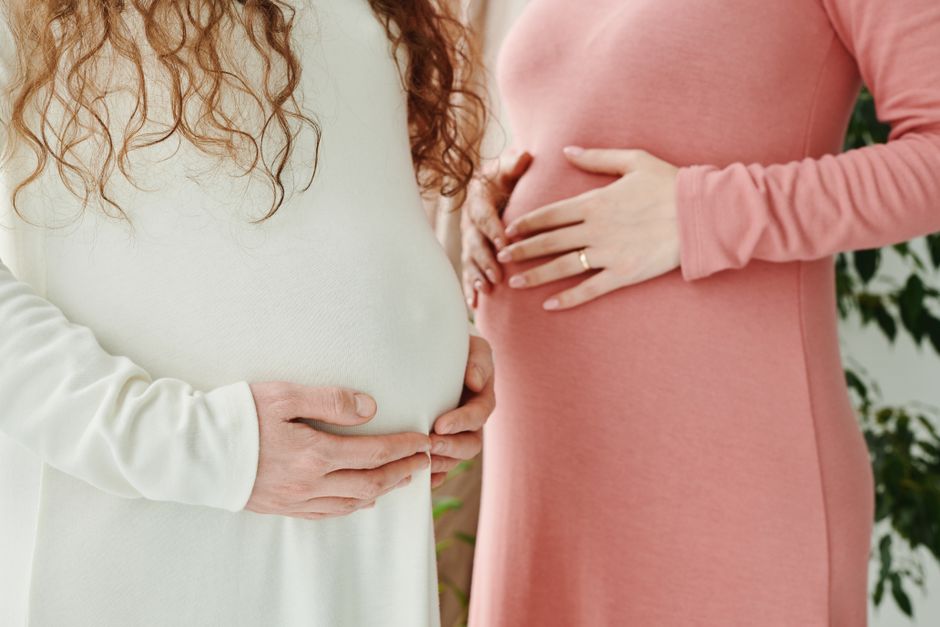
Most pregnancies end with a healthy baby, and the risk of something going wrong is not the same in every trimester. Early pregnancy carries the highest chance of miscarriage. The middle months are generally the safest for the mother and the baby. The final weeks bring different risks, mostly tied to preterm birth and complications around delivery. Understanding what is more likely to happen, and when, helps you make sense of symptoms and know when to call your doctor.
When Is A Pregnancy Safe? A Trimester Risk Breakdown
No trimester is risk-free, but the pattern of risk changes in a predictable way. The first trimester holds the greatest chance of pregnancy loss. The second trimester is usually the calmest. The third trimester brings risks that are mostly manageable with good prenatal care.
Miscarriage is the most common complication of early pregnancy. It happens in roughly 10 to 20 percent of known pregnancies, and most occur before 12 weeks. Many more may go unrecognized because they happen so early that a person may not yet know they are pregnant. The single biggest reason is chromosomal abnormality in the developing embryo — a problem in the genetic blueprint that makes normal development impossible. This is not caused by exercise, stress, lifting, or most everyday activities.
Once a pregnancy passes the first trimester, the chance of loss drops sharply. That is why many people wait until around 12 weeks to share their news. The second trimester is when the risk of miscarriage becomes low and the risk of major complications is relatively small.
What Are the Risks in the First Trimester?
Early pregnancy is a period of rapid development, and it is also when the body is adjusting to major hormonal changes. The main risks are miscarriage and ectopic pregnancy.
An ectopic pregnancy is when a fertilized egg implants outside the uterus, most often in a fallopian tube. It cannot survive there, and it can become a medical emergency if it grows and ruptures. Warning signs include one-sided lower belly pain, shoulder tip pain, dizziness, and vaginal bleeding. This needs urgent medical attention. It is not something to watch at home.
First-trimester symptoms are driven by rising levels of the hormone hCG and progesterone. Nausea, fatigue, breast tenderness, and food aversions are common. The severity varies enormously from person to person. Mild spotting can happen in early pregnancy and is often harmless, but any bleeding should be reported to a clinician so they can decide whether it needs checking.
Prenatal care in this window usually includes an early visit, blood tests, and often a first ultrasound. This is also when folic acid matters most. Established guidance recommends folic acid before conception and through early pregnancy to lower the risk of certain birth defects of the brain and spine. If you are planning a pregnancy or think you may be pregnant, that is a conversation to have with your clinician promptly.
Why Is the Second Trimester Often the Safest?
The second trimester, roughly weeks 13 to 27, is generally when people feel best and the risk of losing the pregnancy is at its lowest. Morning sickness often eases. Energy returns for many people. The risk of miscarriage has fallen substantially compared with the first trimester.
This is not because nothing can go wrong. It is because the most common early complications have usually declared themselves by now, and the complications of late pregnancy have not yet arrived. The main things monitored in this window are:
- Fetal growth and anatomy, usually checked with a detailed ultrasound around the middle of the trimester
- Blood pressure, because preeclampsia can begin to develop
- Blood sugar, since gestational diabetes is typically screened for in this period
- Anemia and other blood findings
Some conditions do emerge here. Preeclampsia — high blood pressure with signs of organ involvement — usually appears after 20 weeks. Gestational diabetes is most often diagnosed between 24 and 28 weeks. Both are manageable with monitoring and treatment, which is exactly why prenatal visits are scheduled the way they are.
One non-obvious point: the second trimester feeling easier is not a sign that you can skip appointments. Several serious conditions in pregnancy are silent at first. They are caught by routine screening, not by how you feel.





What Changes in the Third Trimester?
The third trimester, from about week 28 to birth, shifts the focus to the baby’s growth and the timing of delivery. The main risks are preterm birth, preeclampsia, problems with the placenta, and complications during labor.
Preterm birth — delivery before 37 weeks — is the leading cause of newborn health problems in the United States. Babies born early may need help with breathing, feeding, and temperature control. The earlier the birth, the greater the potential for complications. This is why clinicians work hard to prevent or delay preterm delivery when it is safe to do so.
Preeclampsia can worsen in the third trimester and is one reason blood pressure and urine checks become more frequent. Placental problems, such as the placenta separating from the uterus before birth, can cause bleeding and pain and are emergencies. Reduced fetal movement is another sign that should prompt a call right away.
Late pregnancy also brings a higher chance of blood clots, which is why long periods of stillness and certain risk factors get attention. If you notice swelling in one leg, chest pain, or shortness of breath, that needs urgent evaluation.
How Do the Trimesters Compare?
The table below summarizes the general pattern. It is a broad picture, not a personal prediction. Individual risk depends on your health, your history, and the specifics of the pregnancy.
| Trimester | Weeks | Main concerns | General risk level |
|---|---|---|---|
| First | 1–12 | Miscarriage, ectopic pregnancy, early development | Highest chance of pregnancy loss |
| Second | 13–27 | Preeclampsia onset, gestational diabetes, anatomy findings | Generally the lowest-risk period |
| Third | 28–birth | Preterm birth, preeclampsia, placental problems, labor complications | Risks return but are largely manageable with care |
What Symptoms Should Prompt a Call to Your Doctor?
Certain symptoms are worth reporting without waiting for your next appointment. Some are urgent. Trust your instincts — if something feels wrong, call.
Seek urgent care for:
- Heavy vaginal bleeding or bleeding with pain
- Severe or one-sided belly pain
- Shoulder tip pain or dizziness, which can signal an ectopic pregnancy
- A noticeable drop in your baby’s movement after about 28 weeks
- Severe headache, vision changes, or sudden swelling of the face and hands, which can signal preeclampsia
- Fluid leaking from the vagina before term
- Chest pain or shortness of breath
Mild symptoms are common and often harmless, but they are still worth mentioning. Spotting, mild cramping, and changes in discharge are things your clinician can help you interpret. The goal is not to panic at every twinge. It is to know which signs deserve a call and to make that call early.
Does Prenatal Care Change the Risk Picture?
Regular prenatal care is the single most reliable way to catch problems early, when they are easier to manage. It does not remove all risk, and no care can guarantee a particular outcome. What it does is find conditions like high blood pressure, diabetes, and growth problems before they become emergencies.
Care is tailored to your situation. A first pregnancy, a pregnancy after age 35, a twin pregnancy, or a history of complications may mean more frequent monitoring. These are adjustments in surveillance, not verdicts. Many people in higher-risk groups have healthy pregnancies with good care.
The evidence for prenatal care is strong, but the evidence for many specific supplements, routines, and products marketed to pregnant people is not. If a claim sounds too good to be true, it usually is. Ask your clinician before adding anything new.
Frequently Asked Questions
Which trimester is the safest for pregnancy?
The second trimester, roughly weeks 13 to 27, is generally the lowest-risk period. The chance of miscarriage has dropped substantially and the complications of late pregnancy have not yet arrived.
What is the riskiest week of pregnancy?
The earliest weeks carry the highest chance of loss, and the risk falls steadily as the first trimester progresses. Most miscarriages happen before 12 weeks.
Is it safe to announce a pregnancy at 12 weeks?
Many people choose to share news around 12 weeks because the risk of miscarriage has fallen by then. There is no medical rule about timing — it is a personal decision.
Can you have a healthy pregnancy after 35?
Yes. Age 35 and older is linked to somewhat higher risks, but most people in this group have healthy pregnancies with good prenatal care.
