
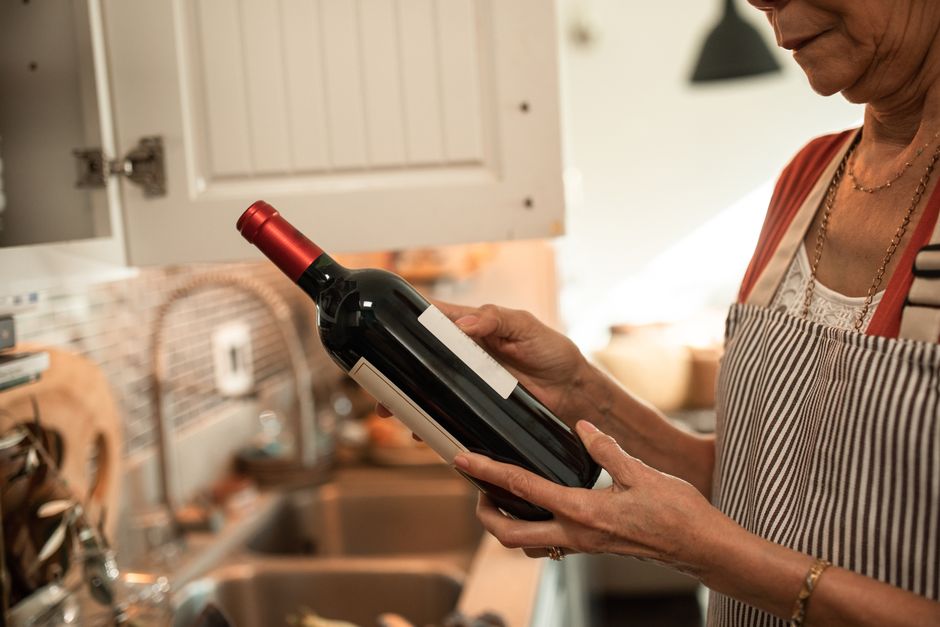
Cooking wine is not safe to drink during pregnancy, and it is not truly alcohol-free even after cooking. While the alcohol does not fully evaporate during cooking, the larger concern is that most cooking wines contain added salt and preservatives. Experts advise pregnant women to avoid cooking wine and choose safer alternatives that do not contain alcohol.
What Is Cooking Wine and How Is It Different From Regular Wine?
Cooking wine is a wine product made specifically for cooking. It is not meant to be drunk. Most cooking wines contain added salt as a preservative and flavor enhancer. They also often include potassium sorbate and sodium metabisulfite to keep the product stable on the shelf.
Regular drinking wine does not have this added salt. A standard bottle of cooking wine can contain a significant amount of sodium per serving. For someone watching their salt intake during pregnancy, this matters.
Cooking wine is also usually lower quality than drinking wine. The flavor profile is different because of the additives. Using it rarely improves a dish in a way that regular wine or a non-alcoholic substitute cannot match.
Does Alcohol Cook Out of Wine Completely?
No. This is one of the most common myths in cooking. The idea that alcohol always burns off during cooking is not accurate.
Research has shown that the amount of alcohol remaining after cooking depends on several factors. These include cooking time, cooking method, and the type of pan used. A dish simmered for 30 minutes can still retain about 25 percent of the original alcohol. Even after two hours of cooking, some alcohol can remain.
Flambéing, or setting the alcohol on fire, removes less alcohol than people expect. A quick flame does not burn off all the alcohol. Some studies have found that flambéed dishes can still contain a large portion of the original alcohol content.
For pregnancy, the safest approach is to assume some alcohol remains in any dish made with cooking wine.
Is Cooking Wine Safe For Pregnancy What Experts Say
Experts generally advise against using cooking wine during pregnancy. The main reason is the alcohol content. Since some alcohol remains after cooking, there is no way to guarantee a dish is alcohol-free when made with cooking wine.
There is no established safe level of alcohol during pregnancy. Major health organizations advise complete abstinence. This is because alcohol crosses the placenta and reaches the developing baby. The fetal liver is not mature enough to process alcohol the way an adult liver can.
The added salt in cooking wine is a secondary concern. Pregnancy already increases blood volume and can cause fluid retention. Extra sodium from cooking wine adds unnecessary salt to the diet. This is not a major risk for most women, but it is an avoidable one.
Some clinicians note that the amount of alcohol in a single serving of a cooked dish is likely small. But small is not zero. And the effects of repeated small exposures during pregnancy are not well studied. The cautious position is to avoid it.





What About Wine That Is Labeled “Alcohol-Removed”?
Alcohol-removed wine is different from cooking wine. These products go through a process to remove most of the alcohol after fermentation. The result is a wine that contains a very small amount of alcohol, usually less than 0.5 percent by volume.
This is the same alcohol level found in some kombucha and in non-alcoholic beer. For most pregnant women, these products are considered a reasonable option. However, they are not completely alcohol-free.
If you are strictly avoiding all alcohol, check the label carefully. Some brands market their products as “non-alcoholic” when they still contain up to 0.5 percent alcohol. The term “alcohol-free” is regulated and means the product contains no alcohol. “Non-alcoholic” can still contain trace amounts.
For cooking purposes, alcohol-removed wine is a much better choice than cooking wine. It has no added salt. It provides a similar flavor profile to regular wine. And the alcohol content is minimal.
Safe Alternatives to Cooking Wine in Recipes
You do not need to give up the flavor wine adds to your cooking. Several substitutes work well in most recipes.
- Alcohol-removed wine — Best for dishes where wine is a prominent flavor. Use it in the same amount as regular wine.
- Grape juice or white grape juice — Works in sweet or fruity dishes. It adds sweetness, so reduce other sugar in the recipe.
- Broth or stock — Chicken, beef, or vegetable broth replaces the liquid volume. It changes the flavor but works well in savory dishes.
- Apple cider vinegar or lemon juice — Adds acidity similar to wine. Use about half the amount the recipe calls for, then add water or broth to make up the difference.
- Water with a splash of vinegar — A simple stand-in for dishes where wine is only a minor ingredient.
Each substitute changes the dish slightly. That is expected. The result is still a flavorful meal that is safe for pregnancy.
How to Handle Restaurant Meals and Sauces
You cannot always know what is in restaurant food. Many chefs use wine in sauces, marinades, and deglazing. This is not something you need to worry about excessively, but it is worth understanding.
A sauce that is simmered for a long time will have less alcohol than one that is added at the end. A pan sauce deglazed with wine and reduced for a few minutes still contains some alcohol. A dessert sauce with wine added at the end and not cooked contains more.
If you want to be cautious, ask your server. Many restaurants can tell you if a dish contains wine. You can also request that a sauce be served on the side or left off entirely. This is a personal comfort decision. Some pregnant women avoid all alcohol-containing foods. Others are comfortable with trace amounts in cooked dishes.
There is no right answer that fits everyone. The evidence simply does not tell us whether trace amounts of alcohol in food pose any risk during pregnancy. The cautious approach is to avoid them when you can.
Why Some People Think Cooking Wine Is Safe
The belief that cooking wine is safe comes from two misunderstandings. The first is that alcohol always cooks off. The second is that cooking wine is not really wine.
Cooking wine is real wine. It is just wine with salt added. The alcohol content is similar to regular wine, usually around 12 to 15 percent. It is not a special product with less alcohol.
Another reason people assume it is safe is that it is sold in grocery stores next to vinegar and other pantry items. It does not look like an alcoholic beverage. But it is.
The salt content also confuses people. Some assume the salt makes it safe or that it somehow changes the alcohol. It does not. Salt preserves the wine and changes the taste. It does nothing to the alcohol.
What the Research Actually Shows
Research on alcohol in cooked food is limited but consistent. Studies have repeatedly shown that alcohol retention depends on cooking method and time. No method removes all alcohol completely.
Research on alcohol consumption during pregnancy is more extensive. The evidence consistently shows that heavy drinking during pregnancy causes fetal alcohol spectrum disorders. The effects of light or occasional drinking are harder to study. This is why guidelines take a conservative stance.
No large study has specifically examined the effects of eating food cooked with wine during pregnancy. This means we are relying on basic principles rather than direct evidence. The principle is simple: if you can avoid alcohol entirely, that is the safest choice.
Some research suggests the amount of alcohol in a single serving of a cooked dish is very small. For example, a dish simmered for an hour might retain only a small percentage of the original alcohol. But that percentage is not zero. And it adds up if you eat such dishes regularly.
Frequently Asked Questions
Can I eat food cooked with wine while pregnant?
Most experts advise against it because some alcohol remains after cooking. The amount is usually small, but there is no established safe level of alcohol during pregnancy.
Does boiling wine remove all the alcohol?
No. Boiling reduces the alcohol content but does not eliminate it completely. Even after extended cooking, trace amounts can remain.
Is alcohol-removed wine safe during pregnancy?
Alcohol-removed wine contains less than 0.5 percent alcohol and is generally considered acceptable. It is not completely alcohol-free, so women who want zero alcohol should choose a different option.
What is the best substitute for cooking wine in recipes?
Alcohol-removed wine is the closest substitute for flavor. Broth, grape juice, or vinegar mixed with water also work well depending on the dish.
