
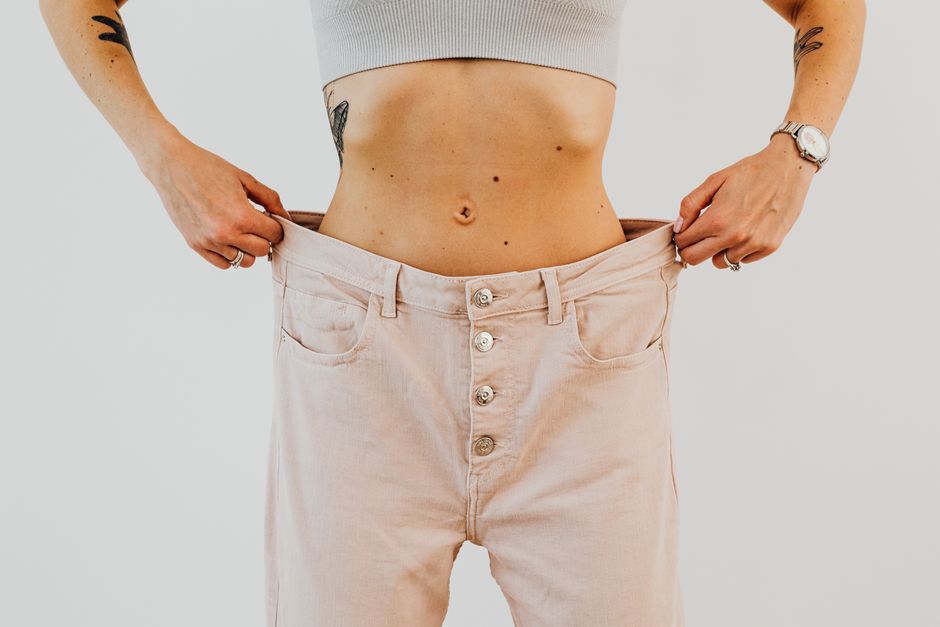
Pregnancy weight gain is normal and necessary. Losing it after birth takes time, and your body needs that time to heal. What actually works is a combination of gradual calorie reduction, consistent movement, and breastfeeding when possible. Crash diets and aggressive exercise are not the answer, especially in the first few months after delivery.
How Fast Can You Expect To Lose Pregnancy Weight?
Some weight drops off quickly after birth. This includes the baby’s weight, the placenta, and amniotic fluid. Most women lose about 10 to 13 pounds during delivery itself. You will also lose some fluid weight in the first week as your body sheds extra blood volume and swelling.
After that initial drop, weight loss slows down considerably. A realistic timeline is losing about 1 to 2 pounds per week after the first month. Many women find that the last 5 to 10 pounds take the longest to come off, sometimes taking up to a year or more. Your body composition changed during pregnancy, and it takes time to adjust.
How To Lose Pregnancy Weight What Actually Works For Nutrition
Focus on nutrient-dense foods rather than counting every calorie. Your body needs protein, fiber, and healthy fats to support energy levels and milk production if you are breastfeeding. Lean meats, eggs, beans, whole grains, fruits, and vegetables should make up the bulk of your meals.
Do not drop calories too low. If you are breastfeeding, your body needs extra energy. Cutting calories drastically can reduce your milk supply and leave you feeling exhausted. A moderate reduction of about 300 to 500 calories below your maintenance level is generally considered safe for gradual weight loss, but individual needs vary.
Processed foods and sugary drinks are the easiest place to cut back. These provide calories without satisfying hunger or offering nutrition. Swapping a sugary latte for water or unsweetened tea can save hundreds of calories daily without making you feel deprived.
When Can You Start Exercising After Birth?
Your doctor will give you clearance to exercise, usually at your 6-week postpartum checkup. If you had a vaginal delivery without complications, you might be able to start light activity sooner, such as walking. If you had a C-section or experienced complications, you may need to wait longer.
Walking is the safest starting point. It is low impact and can be done with a stroller. Start with 10 to 15 minutes and gradually increase as your energy allows. Pelvic floor exercises, like Kegels, can begin within days of delivery to help strengthen the muscles weakened during pregnancy.
Once cleared, aim for a mix of cardiovascular exercise and strength training. Cardio burns calories, but strength training builds muscle, which helps your metabolism recover. Postpartum fitness classes that focus on core and pelvic floor restoration are a good option, but avoid high-intensity abdominal work until your core has healed.





Does Breastfeeding Help You Lose Weight?
Breastfeeding burns extra calories, typically around 300 to 500 per day. This happens because your body is producing milk, which requires significant energy. Some women find that breastfeeding helps them lose weight more quickly, but this is not guaranteed for everyone.
Hormones play a role here. Prolactin, the hormone responsible for milk production, can increase appetite and encourage fat storage. Some women hold onto fat while breastfeeding, especially around the hips and thighs. This is a normal variation and not a sign that something is wrong.
The evidence on breastfeeding and weight loss is mixed. Some studies show a modest association with faster postpartum weight loss, while others show little difference. The most important factor is that breastfeeding provides significant health benefits for both you and your baby, regardless of its effect on your weight.
What About Sleep And Stress?
Sleep deprivation is nearly universal in the postpartum period, and it directly affects weight loss. Lack of sleep alters hormones that regulate hunger. Ghrelin, which stimulates appetite, increases. Leptin, which signals fullness, decreases. This combination makes you feel hungrier and less satisfied after meals.
Stress has a similar effect. Cortisol, the primary stress hormone, can promote fat storage, particularly around the abdomen. New parenthood brings significant stress, from feeding challenges to sleep interruptions to adjusting to a new identity. Managing stress is not just about mental health; it has physical consequences for weight.
Practical strategies include sleeping when the baby sleeps, even if it is only for 20 or 30 minutes. Accept help from partners, family, and friends so you can rest. Prioritize simple stress-reduction techniques like deep breathing or a short walk outside. These are not luxuries; they are part of a healthy postpartum recovery.
Why You Should Avoid Crash Diets After Pregnancy
Crash diets are tempting when you want quick results, but they are counterproductive after pregnancy. Severe calorie restriction can slow your metabolism, making it harder to lose weight in the long run. It also deprives your body of nutrients needed for recovery and, if breastfeeding, for milk production.
Rapid weight loss can also release stored toxins into your bloodstream, which can pass into breast milk. The clinical significance of this is not fully understood, but it is a reason to avoid aggressive dieting while nursing. Your body needs steady, adequate nutrition during this period.
Additionally, crash diets often lead to muscle loss rather than fat loss. Losing muscle lowers your resting metabolic rate, meaning you burn fewer calories at rest. This makes future weight maintenance more difficult and contributes to the cycle of yo-yo dieting.
Realistic Expectations For Losing Baby Weight
Your body went through nine months of changes. Giving yourself at least nine months to return to a healthy weight is a reasonable framework, though many women take longer. The number on the scale is not the only measure of progress. How your clothes fit, your energy levels, and your strength are also important indicators.
Focus on health rather than a specific weight target. A body mass index within the normal range is associated with lower health risks, but it is not the whole picture. Blood pressure, blood sugar, and cholesterol levels matter more than a number on a scale.
If you are struggling with significant weight retention beyond 12 months, it is worth discussing with your doctor. Persistent weight gain can sometimes signal underlying issues like thyroid dysfunction or depression. These conditions are treatable, and addressing them can make weight management easier.
What Does Not Work For Postpartum Weight Loss
Detox teas and weight loss supplements are heavily marketed to new mothers. No clinical evidence supports their effectiveness for postpartum weight loss. Some contain ingredients that are unsafe during breastfeeding, including certain herbal laxatives and stimulants. Avoid these products entirely.
Waist trainers and belly wraps do not reduce fat. They may temporarily compress the abdomen and create the appearance of a smaller waist, but they do not change your body composition. No study has confirmed that these products strengthen core muscles or reduce abdominal fat.
Extreme exercise programs that promise rapid results often backfire. High-intensity interval training before your pelvic floor has healed can worsen conditions like diastasis recti, a separation of the abdominal muscles that occurs in many pregnancies. Gradual progression under professional guidance is safer and more sustainable.
Frequently Asked Questions
How long does it take to lose pregnancy weight?
Most women lose about half of their pregnancy weight within 6 weeks after delivery. The remaining weight typically takes 6 to 12 months or longer to lose, especially if you are breastfeeding.
Is it safe to diet while breastfeeding?
A moderate calorie reduction of about 300 to 500 calories below maintenance is generally considered safe. Severe restriction below 1800 calories per day may reduce milk supply and is not recommended.
Can you lose pregnancy weight without exercise?
Yes, diet alone can produce weight loss, but exercise helps preserve muscle and supports long-term weight maintenance. Walking is a safe and effective starting point after your doctor clears you for activity.
Why am I gaining weight while breastfeeding?
Breastfeeding increases appetite through hormonal changes, and some women retain fat stores during this period. This is a normal variation, and weight often shifts once you wean your baby.
