
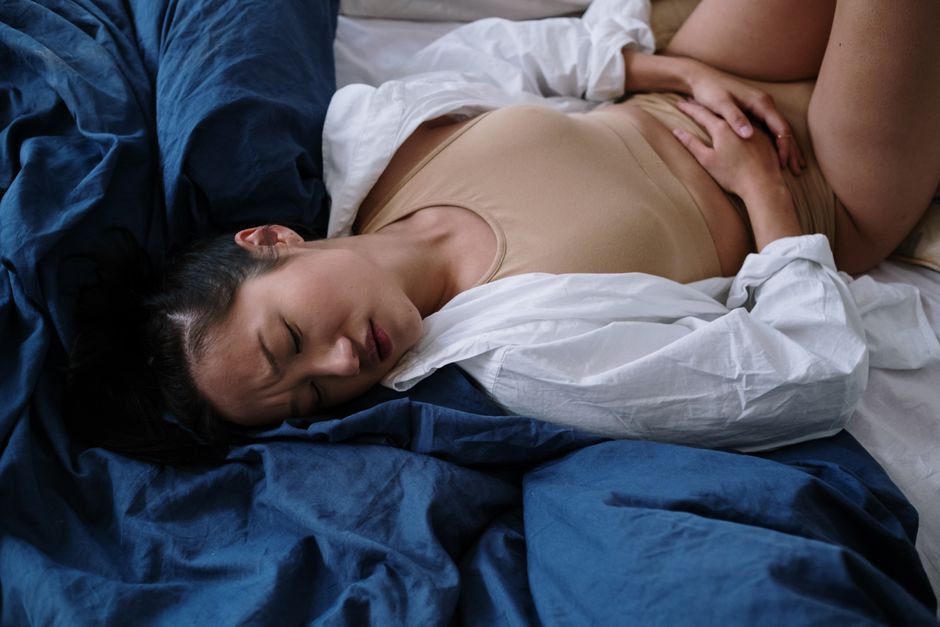
Yes, diarrhea can be caused by pregnancy. Hormonal changes, dietary shifts, and prenatal vitamins can all trigger loose stools, especially in the first trimester. However, diarrhea is not considered a classic early pregnancy symptom like nausea or breast tenderness. It is more often a sign of something else, such as a stomach bug or food intolerance, so it is important to look at the full picture of your symptoms.
Why Does Pregnancy Sometimes Cause Diarrhea?
Pregnancy triggers a massive shift in your hormones. One of the most significant changes involves progesterone, which relaxes smooth muscles throughout your body. This relaxation slows down digestion, which is why constipation is so common during pregnancy.
However, the same hormonal chaos can push things in the opposite direction for some women. As your body adjusts to rising hormone levels, your digestive tract can become more sensitive. This sensitivity can speed up transit time, meaning food moves through your intestines faster than usual. When food moves too quickly, your colon does not have enough time to absorb water, resulting in loose or watery stools.
It is also worth noting that the digestive system is highly reactive to stress and anxiety. The emotional adjustment to pregnancy, combined with physical exhaustion, can stimulate the gut and lead to episodes of diarrhea.
Early Pregnancy vs. Later Pregnancy
Diarrhea can occur at any point during pregnancy, but the reasons differ depending on the stage.
In the first trimester, diarrhea is often linked to the sudden surge of hormones. Your body is essentially recalibrating its entire digestive process. Some women also experience a shift in food aversions and cravings, which can lead to eating new or different foods that upset the stomach.
In the third trimester, diarrhea can be a sign that labor is approaching. As the body prepares for birth, it releases prostaglandins. These hormone-like substances help soften the cervix but can also stimulate the bowels. Many women experience loose stools in the days or hours before labor begins. This is a normal bodily response, not a cause for alarm.
Diarrhea in the second trimester is less common. If it happens, it is more likely related to a stomach virus, food poisoning, or a reaction to a new supplement rather than the pregnancy itself.
Prenatal Vitamins and Dietary Changes
Your daily routine can be the culprit. Prenatal vitamins contain iron, which is well known for causing constipation. But some formulations, especially those with certain types of magnesium or added fiber, can cause loose stools in sensitive individuals.
If you recently switched brands or started a new bottle, that change alone could trigger diarrhea. Your body often needs a few days to adjust to a new supplement.
Dietary changes are another common trigger. Many women increase their intake of fruits, vegetables, and water when they find out they are pregnant. A sudden jump in fiber intake can temporarily cause loose stools until your digestive system adapts. Similarly, new food aversions might lead you to eat dairy, sugar-free products, or spicy foods in different quantities than usual, all of which can affect bowel habits.




When Diarrhea Is Not Caused by Pregnancy
It is easy to blame every symptom on pregnancy, but diarrhea is frequently caused by the same things that affect everyone else. Viral gastroenteritis, often called the stomach flu, is highly contagious and common. Food poisoning from undercooked meat or unwashed produce is another frequent cause.
Food intolerances can also surface or worsen during pregnancy. Lactose intolerance, for example, can become more noticeable because of changing digestive enzyme levels. Some women develop temporary sensitivities to gluten or artificial sweeteners.
Medications other than prenatal vitamins can cause diarrhea as a side effect. Antibiotics are a common trigger because they disrupt the natural balance of bacteria in your gut. If you are taking any new medication, review the side effects or ask your pharmacist.
Signs of Dehydration and When to Call Your Doctor
The main danger of diarrhea during pregnancy is dehydration. Pregnancy increases your blood volume and your body needs more water than usual. Losing fluids through diarrhea can quickly tip you into a dehydrated state.
Watch for these warning signs:
- Dark yellow urine or urinating less frequently than normal
- Dizziness or lightheadedness
- Dry mouth and lips
- Extreme thirst
- Weakness or fatigue that feels worse than normal pregnancy tiredness
Call your doctor or midwife if diarrhea lasts more than two or three days, if you develop a fever above 100.4°F, or if you see blood or mucus in your stool. Severe abdominal pain that does not come and go with cramping also warrants a call. In rare cases, persistent diarrhea can be a sign of a more serious condition, so it is always better to check in with a professional than to wait it out.
What Can You Safely Do for Relief?
Staying hydrated is the first priority. Water is good, but it does not replace the electrolytes you lose through diarrhea. Oral rehydration solutions, available at most pharmacies, are the most effective option. Clear broths and sports drinks can also help, though sports drinks tend to be high in sugar, which can sometimes make diarrhea worse.
Eat bland, easy-to-digest foods. The BRAT diet — bananas, rice, applesauce, and toast — is a commonly recommended approach. These foods are low in fiber and gentle on the stomach. Add salt to your food if you can, as this helps replace lost sodium.
Avoid dairy products, greasy foods, and anything heavily spiced until your stools return to normal. These foods can irritate an already sensitive digestive tract. Also avoid caffeine, which acts as a diuretic and can worsen dehydration.
Do not take over-the-counter anti-diarrheal medications without asking your doctor first. Some formulations are considered safe during pregnancy, but others are not. Your doctor can recommend the right option based on your specific situation and how far along you are.
Is Diarrhea a Reliable Sign of Labor?
Loose stools in the final weeks of pregnancy can be an early indicator that labor is approaching. This happens because the body releases prostaglandins to help ripen the cervix, and those same substances stimulate bowel activity.
However, diarrhea alone is not a reliable sign of labor. Many women experience diarrhea weeks before delivery, and others never experience it at all. Labor is typically preceded by other signs such as regular contractions, a bloody show, or your water breaking. If you are full term and develop diarrhea along with cramping, mention it to your birth team, but do not assume it means labor is imminent.
Can Diarrhea Be Caused By Pregnancy and Not a Stomach Bug?
Distinguishing between pregnancy-related diarrhea and a stomach bug comes down to your other symptoms. A stomach virus usually brings nausea, vomiting, and sometimes a fever. Pregnancy-related diarrhea typically occurs without a fever and without vomiting.
Timing matters too. If diarrhea appears around the same time you notice other early pregnancy signs — such as a missed period, breast tenderness, or unusual fatigue — it may be related to hormonal changes. If you are already confirmed pregnant and diarrhea starts suddenly with no other explanation, it is more likely a passing bug or a reaction to something you ate.
When in doubt, take a pregnancy test if you have not already, or check in with your doctor. They can help you determine whether your symptoms need treatment or simply monitoring.
Frequently Asked Questions
Can diarrhea be an early sign of pregnancy?
Diarrhea can occur in early pregnancy due to hormonal changes, but it is not a reliable or common early sign. A missed period and a positive pregnancy test are the only dependable indicators.
How long does pregnancy diarrhea usually last?
Pregnancy-related diarrhea typically resolves within a few days. If it lasts longer than three days or is accompanied by a fever, contact your healthcare provider.
Is it safe to take Imodium while pregnant?
Some healthcare providers approve loperamide (Imodium) during pregnancy, but others advise against it. Always consult your doctor before taking any anti-diarrheal medication while pregnant.
Can diarrhea hurt the baby during pregnancy?
Diarrhea itself does not directly harm the baby, but severe dehydration can reduce blood flow to the placenta. Staying hydrated and seeking medical advice for persistent diarrhea protects both you and your baby.
