
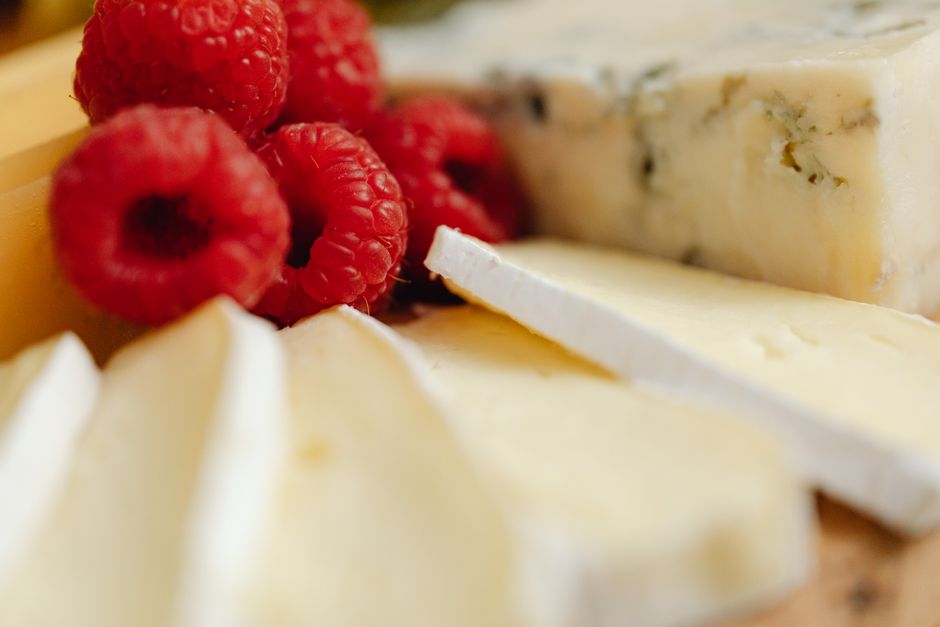
Brie cheese is often seen as a rich, indulgent treat, but you might have heard it also contains probiotics that are good for your digestive health. The short answer is yes, brie does offer some gut health benefits because it is a fermented food made with live bacteria and mold cultures. However, the science shows these benefits are more modest than what you get from other fermented foods, and brie is not a probiotic powerhouse. This article breaks down what the evidence actually says about brie and your gut, so you can make an informed choice without the hype.
Does Brie Contain Probiotics That Help Your Gut?
Brie is made by adding specific bacterial cultures and Penicillium candidum mold to milk. These microorganisms are responsible for its texture, flavor, and the white rind. During the aging process, these live microbes can survive in the final product. Research shows that some of these bacteria, like Lactococcus lactis and Leuconostoc species, are similar to those found in other fermented dairy products.
But there is an important catch. To be a true probiotic, a microbe must survive stomach acid and bile, then reach the intestines alive in large enough numbers to have an effect. Studies published in the Journal of Dairy Science have found that the bacteria in brie can survive stomach acid better than some people assume. However, the total number of live bacteria in a typical serving of brie is much lower than what you would get from yogurt, kefir, or a probiotic supplement. The mold on the rind is not a probiotic either — it is a cheese-making culture that adds flavor but does not colonize the human gut.
So, does brie help your gut? Yes, it introduces some live bacteria. But it is not a reliable source of probiotics. Think of it as a small bonus, not a main strategy.
How Does Brie Compare to Yogurt and Kefir for Gut Health?
Many people ask if brie can replace their daily yogurt. The evidence says no. Yogurt and kefir are specifically fermented to maximize bacterial counts, and they contain strains like Lactobacillus bulgaricus and Streptococcus thermophilus that have been studied extensively for gut health. Brie has a different bacterial profile and a much lower live count per gram.
Here is a comparison of the probiotic potential of common fermented dairy foods:
| Food | Live Bacteria Count (CFU/g) | Probiotic Strains Tested | Survives Stomach Acid? |
|---|---|---|---|
| Plain Yogurt | 10⁷ to 10⁹ | L. bulgaricus, S. thermophilus | Moderate |
| Kefir | 10⁸ to 10¹⁰ | Lactobacillus, Bifidobacterium, yeasts | High |
| Brie (soft, aged) | 10⁴ to 10⁶ | Lactococcus, Leuconostoc | Low to moderate |
| Aged Cheddar | 10³ to 10⁵ | Lactobacillus casei | Low |
As the table shows, brie has far fewer live bacteria than yogurt or kefir. The strains in brie are also not the same ones that have been clinically shown to improve digestion, reduce bloating, or support immune function. If your goal is to boost your gut microbiome through diet, fermented vegetables (like sauerkraut or kimchi) and unsweetened yogurt are much stronger choices. Brie can be part of a healthy diet, but it should not be your primary source of probiotics.
What Does the Science Say About Brie and Digestive Health?
Some people report that eating brie helps them digest other foods better or reduces bloating. There is no clinical evidence to support these claims. The research on cheese and gut health is still young, and most studies focus on yogurt or kefir. One small study from Nutrients journal found that aged cheeses like brie can increase short-chain fatty acid production in the gut, which is a marker of a healthy microbiome. But the effect was small compared to yogurt.
Another point worth noting is that brie is a source of conjugated linoleic acid (CLA), a type of fat that has anti-inflammatory properties in animal studies. Inflammation in the gut can contribute to digestive discomfort. However, the amount of CLA in brie is not high enough to make a meaningful difference on its own. You would need to eat an unrealistic amount of brie to get a therapeutic dose of CLA.
There is also a common myth that the mold on brie rind acts like a prebiotic, feeding good bacteria in your gut. That is not accurate. The Penicillium candidum mold is not a fiber or a carbohydrate, and it does not serve as food for your gut bacteria. It is simply a flavor and texture agent. The rind is safe to eat for most people, but it does not provide a gut health benefit beyond the cheese itself.





Are There Any Risks of Eating Brie for Gut Health?
Yes, there are real risks, especially for certain people. Brie is a high-fat, high-calorie cheese. A one-ounce serving (about the size of your thumb) has around 95 calories and 8 grams of fat. Eating large amounts regularly can lead to weight gain, which is linked to negative changes in the gut microbiome. The evidence is clear that a diet high in saturated fat can reduce the diversity of gut bacteria and increase inflammation.
For people with lactose intolerance, brie is often well tolerated because the aging process breaks down most of the lactose. However, some individuals still react to the trace amounts. If you have a mold allergy, the Penicillium candidum on the rind can cause mild allergic symptoms like itching or nasal congestion. The CDC also warns that soft cheeses like brie carry a risk of Listeria contamination, which is dangerous for pregnant women, older adults, and people with weakened immune systems. This is a food safety issue, not a gut health benefit.
There is no evidence that brie causes harm to a healthy gut. But it is not a therapeutic food either. Moderation is the key point here.
How to Eat Brie to Support Your Gut Without Overdoing It
If you enjoy brie and want to include it in a gut-healthy diet, here are some practical guidelines based on what the science shows:
- Stick to one ounce per serving. That is about the size of two dice. This gives you the live bacteria without too much saturated fat.
- Pair brie with high-fiber foods like whole-grain crackers, apple slices, or celery. Fiber feeds your gut bacteria and helps offset some of the fat.
- Do not rely on brie as your only fermented food. Eat yogurt, kefir, sauerkraut, or kimchi regularly for a stronger probiotic effect.
- Choose pasteurized brie to reduce the risk of foodborne illness. Unpasteurized brie may have a more complex microbial profile, but the safety risk is higher.
- Eat the rind if you want, but it does not provide extra gut benefits. The bacteria are in the cheese itself, not just the mold layer.
The bottom line is that brie can be a small part of a gut-friendly diet. It is not a magic food, and it is not a waste of calories either. It is simply a fermented cheese that offers minor benefits and requires moderation.
Common Misconceptions About Brie and Gut Health
One of the most persistent myths is that all fermented foods are equally good for your gut. That is not true. Fermentation is a broad category that includes everything from yogurt to beer to brie. The health benefits depend entirely on the specific microbes present, their survival rate in the body, and the dose. Brie is fermented, but it is not a high-dose probiotic food.
Another misconception is that the white mold on brie is the same as the beneficial yeasts in kefir. They are completely different organisms. The mold on brie is used for texture and flavor, not for gut health. Kefir contains a mix of bacteria and yeasts that have been studied for their ability to survive digestion and improve gut health. Brie does not have that kind of evidence behind it.
A third myth is that eating brie can cure bloating or irritable bowel syndrome (IBS). There is no clinical trial showing this. In fact, some people with IBS report that high-fat foods like brie trigger their symptoms. If you have IBS or a sensitive gut, pay attention to how brie affects you personally. The science does not support it as a treatment.
Finally, some people believe that aged cheeses are always better for gut health than fresh cheeses. That is partially true — aging can increase bacterial diversity — but it does not guarantee a high probiotic count. Fresh cheeses like cottage cheese can have more live bacteria per gram than aged brie, depending on the brand and production method. Always check labels if you are looking for live cultures.
Frequently Asked Questions
Is brie a probiotic food?
Yes, but only in a very minor way. Brie contains live bacteria from fermentation, but the amount is much lower than in yogurt or kefir, and the strains are not proven to survive digestion well.
Can brie cause bloating?
Some people report bloating after eating brie, likely due to its high fat content rather than lactose. If you have a sensitive gut, start with a small serving to see how you react.
Is the white rind on brie good for you?
The rind is safe to eat for most people, but it does not provide any special gut health benefits. It is a mold culture used for flavor and texture, not a probiotic or prebiotic.
How much brie can I eat per day for gut health?
One ounce per day is a reasonable amount. Eating more than that provides no additional gut benefit and adds extra saturated fat and calories.
