
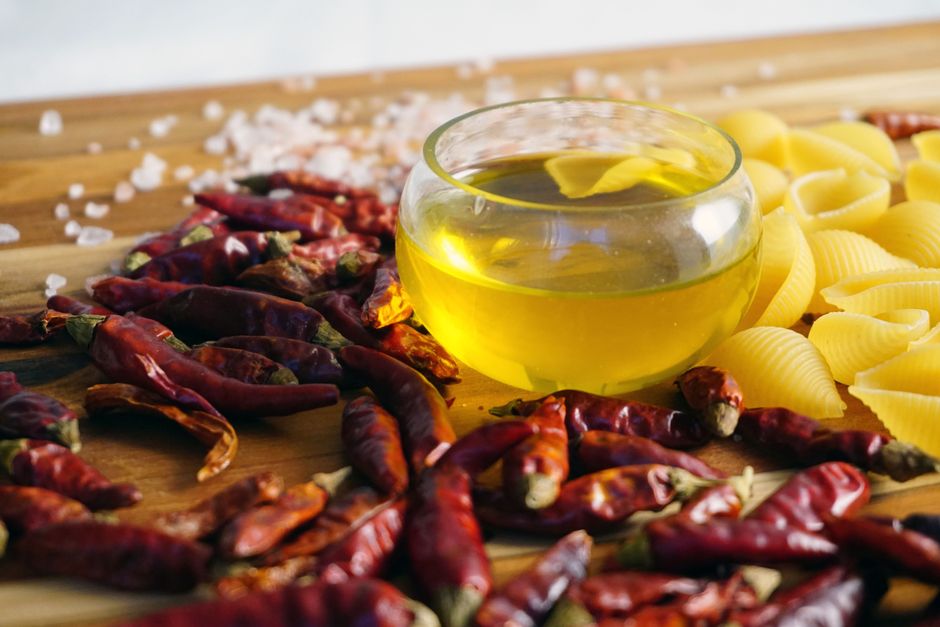
Spicy food sparks strong opinions, but what does the science actually say about how it affects your gut? The short answer is: spicy food can be good for some parts of gut health, but it can also cause problems for others. Research shows that compounds like capsaicin — the chemical that makes chili peppers hot — may influence gut bacteria, reduce inflammation in certain people, and support metabolism. However, the same spice can trigger pain, heartburn, and digestive upset in people with sensitive guts or certain conditions. The real answer depends on your individual digestive system and how much you eat.
How Does Spicy Food Affect Your Gut?
The active ingredient in chili peppers is capsaicin. It binds to receptors in your mouth, stomach, and intestines called TRPV1. These same receptors detect heat and pain. When capsaicin hits them, your brain gets a burning signal.
This sets off a chain reaction in your gut. Your stomach may produce more acid. Your intestines may move food through faster. Some people feel a warming sensation. Others feel discomfort. The response varies widely from person to person.
Capsaicin can also affect the lining of your gut. In small, regular amounts, some research suggests it might strengthen the barrier that keeps harmful substances out of your bloodstream. But for people with existing gut issues, spicy food can irritate the lining and make symptoms worse.
Does Spicy Food Help Gut Bacteria?
The human gut contains trillions of bacteria that influence digestion, immunity, and even mood. Some studies indicate that capsaicin may promote the growth of beneficial bacteria. For example, research published in the Journal of Agricultural and Food Chemistry found that capsaicin supplementation in mice increased levels of Akkermansia muciniphila, a bacterium linked to a healthier gut lining and lower inflammation.
Human research is more limited. A small study in healthy adults found that eating chili peppers daily for two weeks led to modest changes in gut bacteria composition. But the effects were not dramatic. More large human trials are needed before anyone can say with confidence that spicy food meaningfully changes your microbiome for the better.
One thing is certain: your overall diet matters far more than any single ingredient. Spicy food cannot fix a poor diet.
Can Spicy Food Reduce Gut Inflammation?
This area is genuinely complicated. Capsaicin has demonstrated anti-inflammatory effects in laboratory and animal studies. It can block certain pathways that drive inflammation. Some small human studies suggest that regular consumption of chili peppers is linked to lower levels of inflammatory markers like C-reactive protein.
But here is the catch: the same capsaicin that calms inflammation in some contexts can actually trigger inflammation in the gut lining. For people with inflammatory bowel disease (Crohn’s disease or ulcerative colitis), spicy food often worsens symptoms. The TRPV1 receptors that capsaicin activates are more abundant in the inflamed gut. So capsaicin can act like pouring fuel on a fire for someone with active bowel inflammation.
The bottom line: spicy food may help reduce systemic inflammation in healthy people, but it is not recommended as a treatment for gut inflammation and can make existing conditions worse.





Who Should Be Careful About Spicy Food?
Spicy food is not safe for everyone. There are clear groups who should limit or avoid it for gut health reasons.
- People with gastroesophageal reflux disease (GERD). Capsaicin can relax the lower esophageal sphincter, allowing stomach acid to flow backward into the esophagus. This causes heartburn and can damage the esophageal lining.
- People with irritable bowel syndrome (IBS). Many people with IBS report that spicy food triggers abdominal pain, bloating, or diarrhea. Studies confirm that capsaicin can increase gut motility and pain perception in people with IBS.
- People with inflammatory bowel disease (IBD). As mentioned above, spicy food can aggravate active inflammation. Most gastroenterologists recommend avoiding spicy foods during flares.
- People with stomach ulcers. The old belief that spicy food causes ulcers has been debunked — bacteria (H. pylori) and NSAIDs are the main causes. But capsaicin can still worsen ulcer pain and delay healing in some cases. Evidence is mixed here; some studies even suggest capsaicin may help protect the stomach lining. Individual tolerance matters most.
Can Spicy Food Boost Gut Health in Other Ways?
Spicy food may indirectly support gut health through metabolism. Capsaicin slightly raises body temperature and energy expenditure. Some research suggests this effect supports weight management, which is linked to a healthier gut microbiome. The effect is small and temporary, but consistent.
Spicy food also encourages slower eating. When food is hot (thermally or spicily), people tend to eat more slowly and take smaller bites. This can improve digestion by giving your stomach more time to signal fullness.
However, none of these effects are strong enough to rely on as a primary strategy for gut health. A fiber-rich diet, adequate hydration, and regular physical activity are far more proven methods.
Does Spicy Food Help Gut Health? What the Evidence Shows
This question gets to the heart of the article. The evidence points in two directions at once. For healthy individuals without digestive disorders, moderate intake of spicy food appears safe and may offer modest benefits: potentially better gut bacteria diversity, lower systemic inflammation, and mild metabolic support. No single study proves that adding chili to your diet will transform your gut health, but the overall picture does not suggest harm for most people.
For individuals with diagnosed gut conditions — GERD, IBS, IBD, or active ulcers — the risks usually outweigh any theoretical benefits. In these populations, spicy food more often triggers symptoms than helps them.
The takeaway is not about good or bad. It is about individual tolerance. Start with small amounts. Notice how your gut responds. If you experience pain, heartburn, or diarrhea, reduce or avoid spicy foods. If you feel fine, there is no strong reason to stop.
Frequently Asked Questions
Is spicy food good for your stomach?
For a healthy stomach, moderate amounts of spicy food are generally safe and may even promote stomach lining integrity. For people with gastritis, ulcers, or acid reflux, spicy food can worsen symptoms.
Does spicy food kill bad bacteria in the gut?
Some test-tube studies show that capsaicin has antibacterial properties against certain strains, but there is no strong evidence that eating spicy food kills harmful gut bacteria in humans. Your immune system and beneficial bacteria do that job.
Does spicy food cause stomach ulcers?
No. The primary cause of stomach ulcers is infection with H. pylori bacteria or long-term use of NSAID pain relievers. Spicy food may aggravate existing ulcer pain, but it does not cause ulcers.
Does spicy food speed up digestion?
Yes. Capsaicin can stimulate gut motility and speed the movement of food through the digestive tract. For some people this means looser stools or more frequent bowel movements. For others it can help relieve constipation.
