
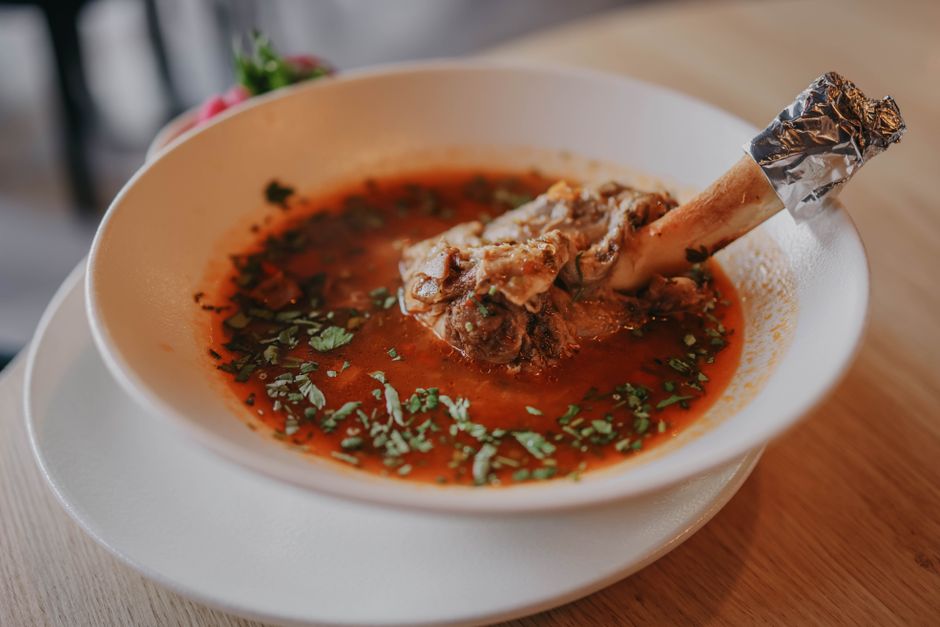
Bone broth has become a staple in health-conscious kitchens, but the big question is whether it actually delivers a meaningful amount of protein. The short answer is no — bone broth is not a high-protein food. A typical cup of bone broth contains about 9-10 grams of protein, which is less than half the protein found in a glass of milk or a scoop of whey protein. It is a flavorful, nutrient-rich liquid, but if your goal is to build or preserve muscle, you will need to get your protein elsewhere.
How Much Protein Is Actually In Bone Broth?
The protein content of bone broth varies by brand and preparation method, but the numbers are consistently modest. A standard 8-ounce serving of commercial bone broth contains roughly 9 to 10 grams of protein. Homemade versions often land in a similar range, though the exact amount depends on how long you simmer the bones and how much meat is left attached.
For comparison, the same 8-ounce glass of cow’s milk delivers about 8 grams of protein. A 3-ounce serving of chicken breast provides around 26 grams. Bone broth is not in the same league as these common protein sources. It is a soup base and a comfort drink, not a protein shake replacement.
The reason bone broth is lower in protein than many people assume comes down to what it actually is. The liquid extracts collagen, gelatin, and minerals from bones and connective tissue. The protein that ends up in the broth comes mostly from collagen and gelatin, which are incomplete proteins. They lack some essential amino acids, meaning they do not count toward your daily protein needs the same way meat, eggs, or dairy do.
Collagen and Gelatin Are Proteins, But Not Complete Ones
Collagen is the most abundant protein in the human body, and it is the main structural protein in bones, skin, tendons, and ligaments. When you simmer bones for hours, the collagen breaks down into gelatin. Both collagen and gelatin are proteins, but they are not complete proteins.
A complete protein contains all nine essential amino acids in adequate amounts. Collagen and gelatin are low in tryptophan and methionine, two essential amino acids your body cannot make on its own. This means the protein in bone broth does not support muscle building as effectively as proteins from meat, dairy, eggs, or soy.
Some research suggests that consuming collagen can support skin elasticity and joint health. However, the evidence for these benefits is still developing. What is clear is that collagen protein is not a substitute for high-quality dietary protein when your goal is muscle maintenance or growth.
Why People Assume Bone Broth Is High In Protein
Marketing has played a large role in the confusion. Many bone broth brands are sold in the same aisle as protein powders and meal replacements. The packaging often highlights “10 grams of protein per serving,” which sounds impressive until you compare it to other foods.
Another reason for the assumption is the long simmering time. People see that bones cook for 12 to 24 hours and assume the liquid becomes concentrated with nutrients. The long cook time does extract more minerals and gelatin, but it does not dramatically increase the total protein content. The amount of protein in the broth is limited by what the bones and connective tissue can release, and that amount plateaus after a certain point.
There is also a common belief that gelatin is a “super protein” because it supports gut health and digestion. While gelatin does have some unique properties, including its ability to form a gel and its high glycine content, it is not a complete protein and should not be relied upon for your daily protein intake.




Is Bone Broth Worth Drinking At All?
Yes, but not for protein. Bone broth is a good source of minerals like calcium, magnesium, and phosphorus, though the amounts vary widely depending on the recipe and the type of bones used. It is also hydrating and easy on the stomach, which is why many people drink it when they are sick or recovering from a digestive issue.
Some studies suggest that the glycine in bone broth may support sleep quality and reduce inflammation. Glycine is an amino acid that has been studied for its calming effects on the nervous system. However, the research is preliminary, and you would need to consume a significant amount of bone broth to get a therapeutic dose of glycine.
If you enjoy bone broth, there is no reason to stop drinking it. Just be honest about what it offers. It is a warm, comforting, mineral-rich liquid that can be part of a healthy diet. It is not a significant source of protein, and it should not be used as one.
What Are The Best Protein Sources Instead?
If you are looking to increase your protein intake, the most reliable options are whole foods. Chicken breast, lean beef, pork, fish, eggs, and dairy products are all complete proteins. Plant-based options like lentils, chickpeas, quinoa, and tofu also provide protein, though you may need to combine different plant sources to get all essential amino acids.
Protein powders are another option, though they are not necessary for most people. Whey protein, casein, and pea protein are all complete proteins that are easy to digest and convenient to use. A single scoop of most protein powders contains 20 to 25 grams of protein, which is more than double what you would get from a cup of bone broth.
For older adults, protein intake becomes especially important. Age-related muscle loss, known as sarcopenia, begins around age 30 and accelerates after age 60. Meeting daily protein needs is one of the most effective ways to slow this process. Relying on bone broth for protein would not come close to meeting those needs.
How Much Protein Do You Actually Need?
The recommended dietary allowance for protein is 0.8 grams per kilogram of body weight per day for adults. For a 150-pound person, that equals about 54 grams of protein daily. However, many experts suggest that older adults and active individuals may benefit from more — around 1.2 to 1.6 grams per kilogram.
To put that in perspective, a person needing 60 grams of protein per day would need to drink six to seven cups of bone broth to meet their needs. That is not realistic. The same person could meet their protein needs with a single chicken breast and a glass of milk.
If you are tracking your protein intake, bone broth can contribute a small amount, but it should not be counted as a primary source. Think of it as a bonus, not a foundation.
Is Bone Broth High In Protein The Real Answer
The real answer is that bone broth is not high in protein. It contains a moderate amount of incomplete protein that is not effective for muscle building. The marketing around bone broth has created confusion, leading many people to believe it is a protein powerhouse. It is not.
Bone broth can still be a valuable part of your diet for its minerals, hydration, and comfort factor. But if your goal is to increase protein intake, choose foods like meat, fish, eggs, dairy, or legumes. These foods provide complete proteins that your body can use efficiently.
Do not let the health halo around bone broth fool you. It is a good soup, not a protein supplement.
Should You Make Bone Broth At Home Or Buy It?
Both options have pros and cons. Homemade bone broth gives you control over the ingredients and allows you to use bones from high-quality, pasture-raised animals. It is also more economical if you already cook with bones. The downside is time — making a good bone broth requires 12 to 24 hours of simmering.
Store-bought bone broth is convenient and consistent. However, some commercial brands contain added flavorings, preservatives, or excessive sodium. Check the label and choose brands that list bones and water as the primary ingredients. The protein content is similar between homemade and store-bought versions, so your choice should depend on convenience and ingredient preferences.
Frequently Asked Questions
Is bone broth a good source of protein for muscle building?
No, bone broth is not a good source of protein for muscle building. Its protein is incomplete and contains only about 9-10 grams per cup, far less than meat, eggs, or dairy.
How much protein is in a cup of bone broth?
A standard 8-ounce cup of bone broth contains roughly 9 to 10 grams of protein. The amount varies slightly by brand and preparation method.
Can I replace protein shakes with bone broth?
No, you should not replace protein shakes with bone broth. A typical protein shake provides 20-25 grams of complete protein, while bone broth provides less than half that amount in an incomplete form.
Does drinking bone broth help with joint pain?
Some research suggests collagen may support joint health, but the evidence is not conclusive. Bone broth contains collagen and gelatin, but no large human trials have confirmed it reduces joint pain.
