
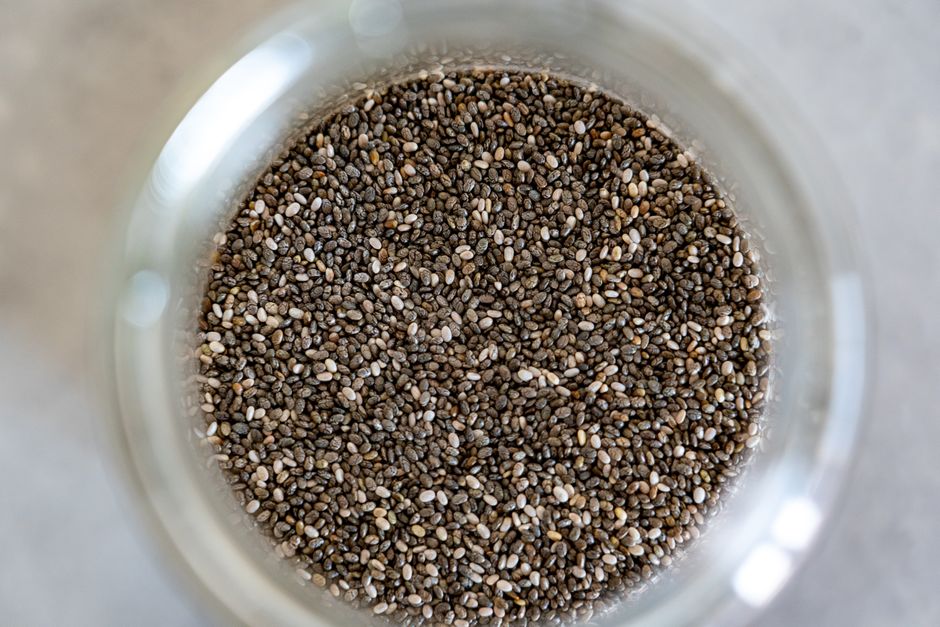
Chia seeds are indeed high in protein for a plant food, but the way that protein is measured and used by your body matters more than the number on the label. A standard two-tablespoon serving of chia seeds contains about 4 grams of protein. That is a respectable amount for a seed, yet it is not a complete protein source on its own, and your body does not absorb all of it. Understanding the difference between protein content and protein quality helps you decide how chia seeds fit into your daily needs.
How Much Protein Is Actually In Chia Seeds?
A two-tablespoon serving of chia seeds (about 28 grams) provides roughly 4 grams of protein. By weight, that makes chia seeds about 14% protein. For comparison, that is higher than most grains and many other seeds, but lower than animal foods or soy products.
To put that in perspective, a large egg contains about 6 grams of protein. A half-cup of cooked lentils contains about 9 grams. Two tablespoons of chia seeds give you about two-thirds of the protein in one egg.
The protein in chia seeds is real and measurable. But the total grams on the label do not tell the whole story. Your body does not absorb every gram of protein you eat, and chia seeds have some unique characteristics that affect how much protein actually reaches your bloodstream.
Is Chia Seed Protein A “Complete” Protein?
Proteins are built from amino acids. Your body needs nine essential amino acids that it cannot make on its own. A complete protein contains all nine in adequate amounts. Animal foods like meat, eggs, and dairy are complete proteins. Soy and quinoa are plant foods that are also complete.
Chia seeds contain all nine essential amino acids, which is unusual for a plant food. However, the amounts are not equal. Chia seeds are relatively low in lysine, one of the nine essential amino acids. This means chia seeds are technically complete but not ideal as your only protein source.
In practice, this matters less than it sounds. Your body pools amino acids from all the foods you eat throughout the day. If you eat chia seeds alongside beans, lentils, or dairy, the amino acid profiles complement each other. You do not need to carefully pair proteins at every meal. Your body handles this automatically.
Does Your Body Actually Absorb Chia Seed Protein?
This is where chia seeds get complicated. Chia seeds are high in fiber and contain compounds called antinutrients, including phytic acid. Phytic acid can bind to minerals and reduce their absorption, and it can also interfere with protein digestion to some degree.
More importantly, chia seeds absorb up to 10-12 times their weight in water and form a thick gel. This gel can slow digestion, which is generally good for blood sugar control but may reduce how much protein your body extracts from the seeds.
Research on protein digestibility in chia seeds is limited. Some studies suggest that processing methods like soaking, grinding, or sprouting improve protein availability. Whole dry chia seeds pass through your digestive tract relatively intact. Grinding them before eating breaks down the seed coat and exposes more of the protein to your digestive enzymes.



Does Grinding Chia Seeds Change The Protein?
Grinding does not change the amino acid composition of the seed. It changes how much of that protein your body can access. When you eat whole chia seeds, the tough outer shell resists digestion. Much of the seed content, including protein, may pass through undigested.
Ground chia seeds, or chia flour, expose the protein to stomach acid and digestive enzymes. This improves protein digestibility, though the research on exactly how much improvement occurs is not definitive.
Some research suggests that soaking chia seeds overnight also improves protein availability. The gel that forms during soaking may begin breaking down the seed structure. However, no large human trials have confirmed a specific absorption percentage for whole versus ground chia seeds.
If your goal is maximizing protein absorption from chia seeds, grinding them is the safer choice. If you are eating them for fiber and omega-3 fats, whole seeds are fine.
How Do Chia Seeds Compare To Other Protein Sources?
Chia seeds are a good plant protein, but they are not a protein powerhouse. Here is how a two-tablespoon serving compares to other common foods:
| Food | Serving Size | Approximate Protein |
|---|---|---|
| Chia seeds | 2 tablespoons | 4 grams |
| Egg | 1 large | 6 grams |
| Greek yogurt | 1/2 cup | 10 grams |
| Chicken breast | 3 ounces | 26 grams |
| Lentils, cooked | 1/2 cup | 9 grams |
| Almonds | 1/4 cup | 6 grams |
| Peanut butter | 2 tablespoons | 7 grams |
Chia seeds are not a substitute for high-protein foods. They are a useful addition to a diet that already includes adequate protein from other sources.
What Else Do Chia Seeds Offer Besides Protein?
Chia seeds are more famous for their fiber and omega-3 content than their protein. A two-tablespoon serving provides about 10 grams of fiber, which is roughly one-third of the daily recommended intake for adults. They are also one of the best plant sources of alpha-linolenic acid, a type of omega-3 fat.
Chia seeds are also rich in calcium, magnesium, phosphorus, and manganese. A two-tablespoon serving provides about 18% of your daily calcium needs, which is notable for a plant food.
These nutrients matter for overall health. But they do not change the protein math. If you are eating chia seeds for protein alone, you would need to eat a lot of them, which would also deliver a very high amount of fiber and calories.
How Many Chia Seeds Should You Eat Per Day?
There is no official daily recommendation for chia seeds specifically. Most clinical studies have used doses of 25 to 50 grams per day, which is about 2 to 4 tablespoons. This amount is generally well tolerated by healthy adults.
Start with one tablespoon per day if you are new to chia seeds. The fiber content can cause bloating, gas, or digestive discomfort if you increase your intake too quickly. Drink plenty of water. Chia seeds absorb liquid and can expand, so they should always be consumed with adequate fluid.
People with swallowing difficulties or esophageal narrowing should be cautious with dry chia seeds. The gel they form can cause blockages in rare cases. Always soak chia seeds before eating if you have any history of swallowing problems.
Are There Risks To Eating Chia Seeds?
For most people, chia seeds are safe. The main risks are digestive discomfort from the high fiber content and the potential for choking or blockage if dry seeds are consumed without liquid.
Chia seeds can interact with blood-thinning medications because of their omega-3 content and their natural compounds. If you take warfarin or other anticoagulants, talk to your doctor before adding large amounts of chia seeds to your diet.
People with diverticulitis or inflammatory bowel disease should introduce chia seeds slowly and monitor their symptoms. The small seeds can be irritating to an inflamed digestive tract in some people.
No clinical guidelines currently exist for chia seed consumption during pregnancy or breastfeeding. The amounts used in cooking are generally considered safe, but large supplemental doses have not been studied in these populations.
Are Chia Seeds High In Protein Compared To Other Seeds?
Chia seeds are near the top among seeds for protein content. Pumpkin seeds contain about 5 grams of protein per ounce, which is slightly more than chia seeds by weight. Hemp seeds contain about 10 grams per ounce, making them the clear winner among seeds.
Flax seeds contain about 5 grams per ounce. Sunflower seeds contain about 6 grams per ounce. Sesame seeds contain about 5 grams per ounce.
Chia seeds sit comfortably in the middle-to-upper range. They are not the highest protein seed, but they are competitive, and their additional fiber and mineral content gives them an edge over some other options.
Frequently Asked Questions
Are chia seeds a good source of protein?
Chia seeds are a moderate source of plant protein, providing about 4 grams per two-tablespoon serving. They are not a high-protein food compared to meat, eggs, or legumes, but they contribute useful protein alongside fiber and minerals.
Can chia seeds replace eggs for protein?
No. Two tablespoons of chia seeds contain less protein than one egg. Chia seeds can replace eggs in baking as a binder, but not as a protein source.
Do you need to grind chia seeds to get the protein?
Grinding improves protein absorption because it breaks down the seed coat that resists digestion. Whole chia seeds may pass through your body partially undigested, meaning you absorb less protein than the label suggests.
How much protein is in a tablespoon of chia seeds?
One tablespoon of chia seeds contains about 2 grams of protein. Two tablespoons, the standard serving size, contain about 4 grams.
