
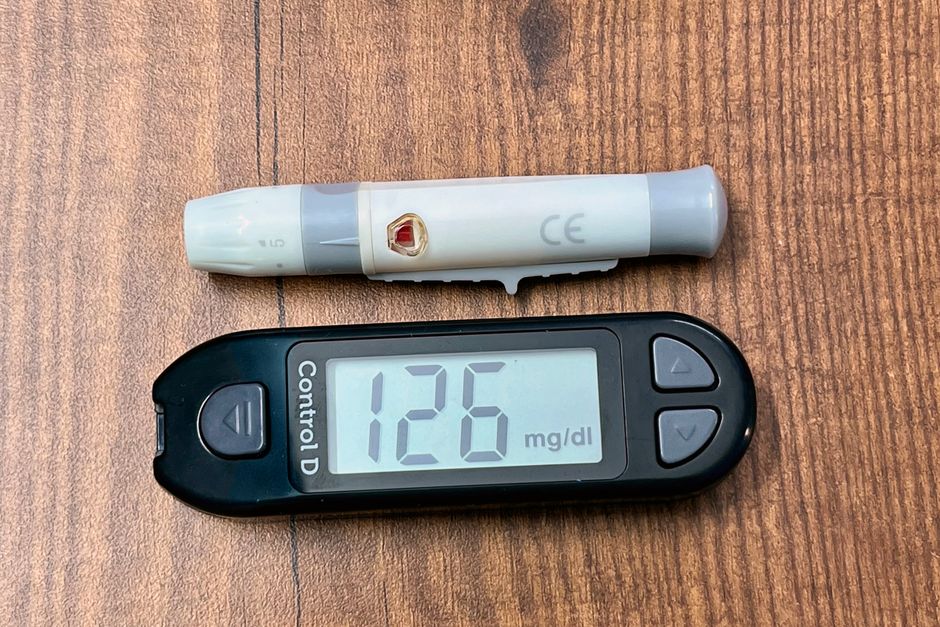
A blood sugar reading of 78 mg/dL is within the normal fasting range for most adults without diabetes. It is not considered low blood sugar under standard medical definitions. However, context matters a great deal — how you feel, when you last ate, what medications you take, and whether you have diabetes all change what that number means.
What Counts as Low Blood Sugar?
Low blood sugar, called hypoglycemia, has specific diagnostic thresholds. For most adults, fasting blood sugar below 70 mg/dL is considered low. This threshold comes from established clinical guidelines used across endocrinology.
That means 78 mg/dL sits above the low threshold. A fasting glucose between 70 and 99 mg/dL is normal for adults without diabetes. So on paper, 78 is not low.
But numbers do not exist in a vacuum. A reading of 78 might feel fine for one person and cause symptoms in another. The difference often comes down to individual factors.
For people with diabetes who take insulin or certain medications, the picture changes. Clinical guidelines sometimes define hypoglycemia at higher thresholds for these groups because their bodies may not regulate glucose the same way. Some clinicians use 70 mg/dL as the alert level regardless, while others consider symptoms more important than the exact number.
Is 78 Low Blood Sugar What Your Reading Means — Or Is Something Else Going On?
If you are not taking glucose-lowering medication and your reading is 78 mg/dL, that number alone does not indicate hypoglycemia. Your body is likely regulating blood sugar normally.
But you might still feel shaky, dizzy, or irritable. Several things can cause those symptoms even when blood sugar is technically normal:
- You skipped a meal and your body is reacting to hunger
- You drank too much caffeine
- You are dehydrated
- You are anxious or stressed
- You have a condition unrelated to blood sugar
Symptoms that feel like low blood sugar can come from many sources. This is one reason home glucose meters alone cannot diagnose hypoglycemia. A meter gives a number. It does not explain why you feel a certain way.
If you have diabetes and take insulin, a reading of 78 deserves attention. It is not below the standard low threshold, but it is close. Some diabetes management plans advise treating readings below 70 mg/dL with fast-acting carbohydrates. If your reading is 78 and you feel symptoms, check again in 15 minutes and follow your care plan.
What Causes Blood Sugar to Drop Below Normal?
True hypoglycemia in people without diabetes is uncommon. When it does happen, the causes are specific and identifiable.
In people with diabetes, the most common cause is too much insulin or other glucose-lowering medication relative to food intake and activity. Skipping meals, exercising more than usual, or drinking alcohol without eating can all push blood sugar down.
In people without diabetes, hypoglycemia can occur from:
- Certain medications, including some antibiotics and pain relievers
- Excessive alcohol consumption without food
- Liver or kidney disorders that affect glucose storage and release
- Hormone deficiencies affecting cortisol or growth hormone
- Rare tumors that produce excess insulin
- Bariatric surgery, which can change how the body handles glucose
These causes are not common. A single reading of 78 mg/dL in someone without diabetes and without symptoms is very unlikely to signal any of these conditions.



How Your Body Regulates Blood Sugar
Your body has built-in systems to keep blood sugar in a safe range. When glucose drops, the pancreas releases a hormone called glucagon. This signals the liver to release stored glucose into the bloodstream. The adrenal glands also release epinephrine, which helps raise blood sugar and causes early warning symptoms like shakiness and sweating.
In healthy people, this system works well. Blood sugar may dip slightly between meals or during sleep, but it rarely falls below 70 mg/dL because the body corrects it quickly.
In people with diabetes, this system may not work as reliably. Insulin production or response is impaired. The liver may not release glucose properly. This is why hypoglycemia is much more common in people with diabetes, especially those using insulin.
When Should You Check With a Doctor About a 78 Reading?
One reading of 78 mg/dL in someone without diabetes is generally not a reason for concern. But certain situations warrant a conversation with a healthcare provider.
Talk to your doctor if:
- You get readings below 70 mg/dL repeatedly
- You have symptoms of low blood sugar that improve when you eat
- You have diabetes and your readings are dropping without explanation
- You take medication and are unsure whether it affects blood sugar
- You have symptoms that interfere with daily life
Do not adjust diabetes medication on your own based on a single reading. Changes to insulin or other glucose-lowering drugs should come from your healthcare team.
What Should You Do If You Feel Symptoms at 78?
If you feel shaky, sweaty, confused, or weak and your reading is 78 mg/dL, treat the symptoms first. The general approach for suspected low blood sugar is to eat or drink something containing about 15 grams of fast-acting carbohydrate.
Examples include:
- 4 ounces of fruit juice or regular soda
- 1 tablespoon of honey or sugar
- 3 to 4 glucose tablets
Wait 15 minutes and check again. If your reading is still low or you still feel symptoms, repeat. This is sometimes called the 15-15 rule.
If you have diabetes, follow the specific plan your healthcare provider gave you. If you do not have diabetes and this happens often, see a doctor. Recurring symptoms deserve a proper evaluation.
What About Continuous Glucose Monitors?
Continuous glucose monitors, or CGMs, measure glucose in the fluid under your skin rather than in your blood. They can be useful for people with diabetes who need to track trends throughout the day.
CGMs are not as accurate as blood glucose meters, especially at lower ranges. A CGM reading of 78 mg/dL might correspond to a blood glucose reading that is somewhat higher or lower. If you use a CGM and get a reading that concerns you, confirm it with a fingerstick blood glucose test if your device allows it.
For people without diabetes, CGMs are increasingly marketed as wellness tools. The evidence that they improve health outcomes in people without diabetes is limited. Some small studies suggest they may help people see how food and activity affect glucose, but no large trials have confirmed meaningful long-term benefits for this group.
Understanding Normal Blood Sugar Ranges
For adults without diabetes, these are the standard reference ranges:
| Test | Normal Range |
|---|---|
| Fasting blood glucose | 70–99 mg/dL |
| Blood glucose 2 hours after eating | Less than 140 mg/dL |
| A1C | Below 5.7% |
A reading of 78 mg/dL falls comfortably within the normal fasting range. It is not borderline. It is not low. It is a normal value.
For people with diabetes, target ranges may differ based on age, other health conditions, and treatment plan. The American Diabetes Association has historically recommended a pre-meal target of 80–130 mg/dL for many adults with diabetes, though targets should be individualized. A reading of 78 would be slightly below that range but not dangerously so.
Why the Number Alone Does Not Tell the Whole Story
Blood sugar fluctuates throughout the day. A single reading is a snapshot, not a full picture. Time of day, recent meals, physical activity, stress, sleep, and illness all affect glucose levels.
If you are worried about a pattern of readings, track them over time and share the log with your doctor. One reading of 78 mg/dL is not a diagnosis. A pattern of readings below 70 mg/dL with symptoms is worth investigating.
Your body has spent your entire life regulating blood sugar without your conscious input. A single normal reading is a sign that this system is working. If you feel unwell despite a normal reading, the answer likely lies somewhere other than your blood sugar.
Frequently Asked Questions
Is 78 a low blood sugar reading?
No, 78 mg/dL is within the normal fasting range of 70–99 mg/dL for adults without diabetes. It is not considered hypoglycemia under standard medical definitions.
Can you feel symptoms of low blood sugar at 78?
Some people may feel shaky or weak at 78 mg/dL, especially if their blood sugar is dropping quickly or if they have diabetes. Symptoms at this level are more likely related to the rate of change than the number itself.
What should I do if my blood sugar is 78 and I feel dizzy?
If you feel symptoms, eat about 15 grams of fast-acting carbohydrate and recheck in 15 minutes. If symptoms continue or happen often, see a healthcare provider for evaluation.
Is 78 mg/dL dangerous for someone with diabetes?
It is not typically dangerous, but it is close to the low threshold and may warrant attention depending on your medication and care plan. Follow the guidance your healthcare team has given you.
