
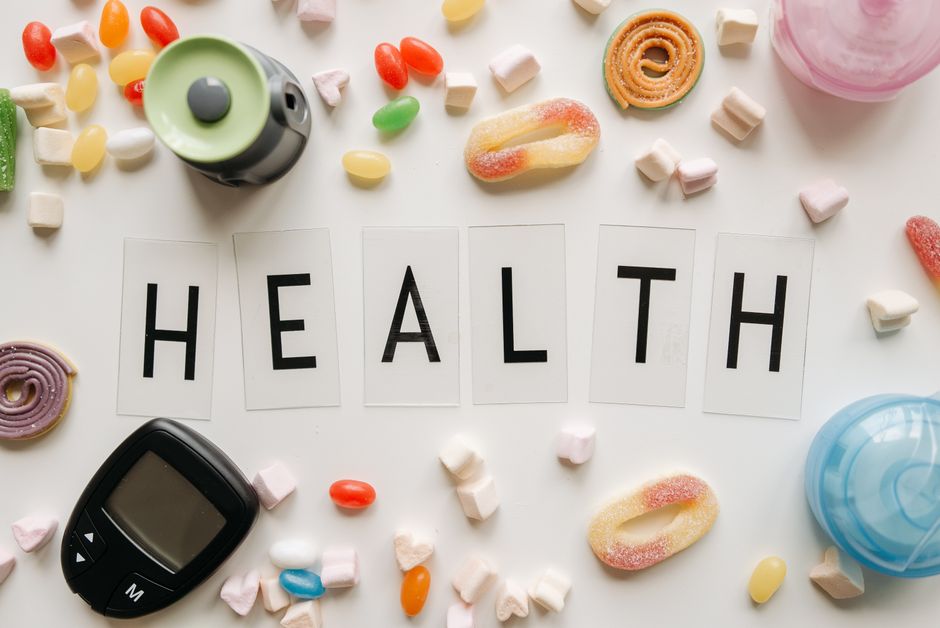
A blood sugar reading of 172 mg/dL is high for most people, but whether it signals a problem depends entirely on when you last ate. If you took this reading after not eating for at least eight hours, it is above the normal fasting range of 70 to 100 mg/dL. If you took it two hours after a meal, it falls into the elevated range that doctors call impaired glucose tolerance or prediabetes. A single reading of 172 does not diagnose diabetes on its own, but it is a clear sign that your body is struggling to manage sugar in your blood. Understanding what this number means for your health requires looking at the timing of the test, your recent food intake, and your overall risk factors.
What Does a Blood Sugar of 172 Mean After Fasting?
A fasting blood sugar test is the most common way doctors screen for diabetes. You take it after having nothing to eat or drink except water for at least eight hours. The American Diabetes Association sets clear thresholds for these results. A normal fasting blood sugar is below 100 mg/dL. A reading between 100 and 125 mg/dL indicates prediabetes. A fasting level of 126 mg/dL or higher on two separate tests confirms a diagnosis of diabetes.
A fasting reading of 172 mg/dL is well above the diagnostic cutoff for diabetes. If you got this number after fasting, you should see a doctor for a follow-up test. One high reading can happen for many reasons, including illness, stress, or a lab error. But 172 is high enough that it warrants a second test and a conversation with your healthcare provider.
What Does a Blood Sugar of 172 Mean After Eating?
Blood sugar naturally rises after you eat. The key question is how high it goes and how quickly it comes back down. For people without diabetes, blood sugar typically peaks about one hour after a meal and returns to near-normal levels within two to three hours. The American Diabetes Association recommends a two-hour post-meal blood sugar below 180 mg/dL for people with diabetes. For people without diabetes, the target is even lower, usually below 140 mg/dL.
A reading of 172 two hours after eating is above the normal range. It falls into the category of impaired glucose tolerance, which is a form of prediabetes. This means your body is not handling sugar as efficiently as it should. Some studies suggest that post-meal blood sugar spikes above 140 mg/dL are linked to increased risk of heart disease and other complications, even if your fasting blood sugar is normal.
If you took this reading one hour after a large meal, 172 may be less concerning. Blood sugar peaks earlier than two hours, and a one-hour reading of 172 could be normal for some people after a high-carbohydrate meal. The timing matters, and context is everything.
What Causes a Blood Sugar of 172?
Several factors can push blood sugar to 172 mg/dL. The most common cause is simply eating a meal high in carbohydrates, especially refined carbs like white bread, pasta, rice, or sugary drinks. Your body breaks these foods down into glucose quickly, and if your insulin response is slow or weak, blood sugar can spike.
Other causes include:
- Missed or delayed diabetes medication – If you take insulin or oral diabetes drugs, skipping a dose can cause high readings.
- Stress – Physical or emotional stress releases hormones like cortisol and adrenaline, which tell your liver to release stored glucose.
- Illness or infection – Your body releases stress hormones when fighting an infection, which can raise blood sugar.
- Inactivity – Regular physical activity helps your muscles use glucose. A sedentary day can lead to higher numbers.
- Steroid medications – Corticosteroids like prednisone are known to raise blood sugar significantly.
- The dawn phenomenon – Your liver naturally releases glucose in the early morning hours. For some people, this causes a morning high.
If your reading of 172 is a one-time event and you can point to a clear cause like a large meal or stress, it is less concerning than if the number appears regularly without explanation.


Is 172 Blood Sugar High What The Reading Means for Your Health
Research published in the journal Diabetes Care has shown that blood sugar levels above 140 mg/dL two hours after a meal are associated with increased risk of cardiovascular disease, even in people who do not have diabetes. The same research found that people with post-meal blood sugar above 155 mg/dL had a higher risk of developing diabetes within five to ten years.
A reading of 172 mg/dL puts you in a category where your body is not processing glucose efficiently. This condition, called insulin resistance, means your cells are not responding well to insulin. Your pancreas has to work harder to produce more insulin to get glucose into your cells. Over time, this extra demand can exhaust the pancreas, leading to rising blood sugar and eventually type 2 diabetes.
The good news is that insulin resistance is reversible, especially in its early stages. Lifestyle changes like weight loss, regular exercise, and dietary adjustments can improve your insulin sensitivity and bring your blood sugar back into a normal range. The bad news is that ignoring a reading of 172 can allow the damage to progress silently.
How to Confirm Whether 172 Is a Problem
A single blood sugar reading of 172 is not enough to diagnose anything. Doctors use multiple tests to confirm whether a person has diabetes or prediabetes. The most common tests include:
| Test | Normal | Prediabetes | Diabetes |
|---|---|---|---|
| Fasting Plasma Glucose | Below 100 mg/dL | 100–125 mg/dL | 126 mg/dL or higher |
| Oral Glucose Tolerance Test (2-hour) | Below 140 mg/dL | 140–199 mg/dL | 200 mg/dL or higher |
| Hemoglobin A1c | Below 5.7% | 5.7%–6.4% | 6.5% or higher |
If your reading of 172 came from a home glucometer, check the device for accuracy. Home meters can be off by 15% or more. Repeat the test at a different time of day. If the high reading persists, schedule a lab test with your doctor. The A1c test gives a three-month average of your blood sugar and is less affected by a single high reading.
The CDC recommends that adults over 45 get tested for diabetes every three years. If you are younger but have risk factors like being overweight, having a family history of diabetes, or being physically inactive, you should talk to your doctor about testing sooner.
What to Do If You See 172 on Your Meter
Do not panic. One high reading is not a diagnosis. But do take it seriously. The first step is to write down what you ate, when you ate, and how you felt. Check your blood sugar again in a few hours or the next morning. If you see a pattern of high readings, that is more meaningful than a single number.
If you have already been diagnosed with diabetes, a reading of 172 may be within your target range depending on your treatment goals. Many doctors set a post-meal target of under 180 mg/dL for people with diabetes. But if your goal is tighter control, 172 may be above your personal target. Check with your doctor about what range is right for you.
For people without a diabetes diagnosis, a reading of 172 is a wake-up call. It does not mean you have diabetes, but it means your blood sugar regulation is not optimal. Research from the Diabetes Prevention Program showed that losing 5% to 7% of your body weight and exercising 150 minutes per week reduced the risk of progressing from prediabetes to diabetes by 58%. That is a bigger effect than any medication.
Simple changes that can help include:
- Eating fewer refined carbohydrates and more fiber-rich vegetables, whole grains, and lean protein.
- Walking for 10 to 15 minutes after meals to help your muscles clear glucose from your blood.
- Drinking water instead of sugary beverages.
- Aiming for seven to eight hours of sleep per night, since poor sleep raises stress hormones and blood sugar.
Common Misconceptions About High Blood Sugar
One of the most common myths is that only people with diabetes need to worry about blood sugar. Research shows that blood sugar levels in the prediabetes range already increase the risk of heart disease, kidney damage, and nerve damage. The damage does not start at the diabetes cutoff. It starts earlier.
Another myth is that high blood sugar always causes symptoms. Many people with blood sugar in the 170s feel completely fine. They have no thirst, no frequent urination, no blurry vision. This is why diabetes is often called a silent disease. You cannot rely on symptoms alone to know whether your blood sugar is high.
A third misconception is that a single high reading means you need to cut out all carbs forever. That is not true. The goal is not to eliminate carbohydrates but to choose better ones and control portions. Your body needs carbohydrates for energy. The problem is the type and amount of carbs, not carbs themselves.
Frequently Asked Questions
Is 172 blood sugar high after eating?
Yes, 172 mg/dL two hours after a meal is above the normal range of under 140 mg/dL and indicates impaired glucose tolerance or prediabetes.
Is 172 blood sugar high for a diabetic?
For many people with diabetes, a reading of 172 mg/dL after a meal is within the target range of under 180 mg/dL, but it depends on your individual treatment goals.
What should I do if my blood sugar is 172?
Check your reading again at a different time, write down what you ate, and schedule a lab test with your doctor if the high reading persists.
Can stress cause a blood sugar of 172?
Yes, stress releases hormones that raise blood sugar, and a single stressful event can temporarily push your reading into the 170s even if you do not have diabetes.
