
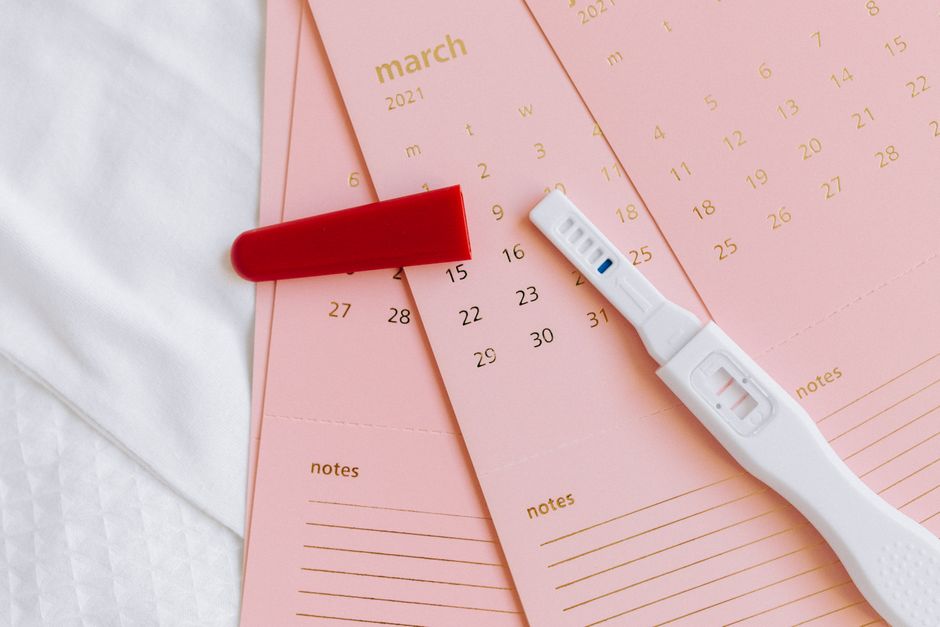
Two weeks after ovulation is not too early for a pregnancy test. In fact, it is one of the most reliable times to test. By 14 days past ovulation, the hormone human chorionic gonadotropin (hCG) has usually risen high enough for a standard home urine test to detect it.
Most home pregnancy tests are designed to detect hCG at levels around 20 to 25 mIU/mL. At two weeks past ovulation, a healthy pregnancy typically produces hCG well above that threshold. If you are tracking from the first day of your last menstrual period rather than ovulation, the timing math changes, and that is where most confusion begins.
Is 2 Weeks Too Early For A Pregnancy Test?
No. Two weeks after ovulation is generally an appropriate time to test, and for many people it will give an accurate result.
The confusion comes down to what “two weeks” is counted from. If you mean two weeks after ovulation or conception, that is roughly the same as the day your next period is due. Standard home tests are built to work at that point.
If you mean two weeks after the first day of your last period, that is a different story. At that point, ovulation may not have even happened yet. A test taken then would almost certainly be negative, not because you are not pregnant, but because your body has not produced detectable hCG yet.
So the answer depends entirely on your starting point. Two weeks past ovulation: usually fine. Two weeks past your last period: too early in most cases.
How Does hCG Rise After Ovulation?
After a fertilized egg implants in the uterine lining, the developing cells begin producing hCG. This hormone signals the corpus luteum in the ovary to keep producing progesterone, which maintains the uterine lining early in pregnancy.
Implantation usually happens about 6 to 12 days after ovulation. Once implantation occurs, hCG starts showing up in blood and, a short time later, in urine. The level then roughly doubles every 48 to 72 hours in early pregnancy.
That doubling pattern is why timing matters so much. A test taken at 8 days past ovulation might catch a faint positive. The same test at 14 days past ovulation is far more likely to give a clear result, because hCG has had several more days to climb.
There is one important detail many people miss. hCG is produced by the placenta, not the embryo itself, and it only appears after implantation. Before implantation, there is no hCG to detect, no matter how sensitive the test is.
What Is the Difference Between Blood and Urine Pregnancy Tests?
Blood tests are more sensitive than urine tests and can detect pregnancy earlier. A quantitative blood test measures the exact amount of hCG in your blood. A qualitative blood test simply reports whether hCG is present.
Urine tests, including the ones you buy at a pharmacy, are designed for home use and detect hCG at higher thresholds. Most can pick up hCG at concentrations around 20 to 25 mIU/mL, though some brands claim sensitivity at 10 mIU/mL.
| Test Type | What It Measures | Typical Detection Point |
|---|---|---|
| Urine (home test) | hCG in urine | Around the time of a missed period |
| Qualitative blood test | Presence of hCG | Several days earlier than urine |
| Quantitative blood test | Exact hCG level | Earliest detection method |
A blood test ordered by a doctor can detect pregnancy a few days before a urine test would. This is why some clinics confirm pregnancy with bloodwork rather than a home test, especially in early monitoring.
For home testing, a urine test at two weeks past ovulation is usually sufficient. If you want the earliest possible answer, a blood test through a healthcare provider is the more sensitive option.



Why Might a Test at 2 Weeks Still Be Negative?
A negative test at two weeks past ovulation does not always mean you are not pregnant. Several factors can produce a false negative.
- You ovulated later than you thought, so you are actually less than two weeks past ovulation.
- Implantation happened later than average, delaying hCG production.
- The urine was too dilute, often from drinking a lot of water before testing.
- The test was used incorrectly or read outside the recommended time window.
- Your hCG level is rising but has not yet reached the test’s detection threshold.
Late ovulation is a common reason. Many people assume ovulation happens on day 14 of their cycle, but cycle length and ovulation timing vary widely. If you ovulated on day 20 instead of day 14, then testing on day 28 of your cycle is really only 8 days past ovulation, which is often too early.
If you get a negative result but your period does not arrive, waiting a few days and testing again is reasonable. hCG levels rise quickly in early pregnancy, so a test that was negative can turn positive within a short time.
When Is the Best Time to Take a Pregnancy Test?
The most reliable time to take a home pregnancy test is the first day of a missed period. For most people, that falls around two weeks past ovulation.
Testing first thing in the morning can help, because urine is more concentrated after overnight. This matters more when you are testing early. Once your period is clearly late, the time of day matters less because hCG levels are higher.
If you are tracking ovulation through methods like basal body temperature, cervical mucus changes, or ovulation predictor kits, you can count from your estimated ovulation day. That gives you a more accurate timeline than counting from your last period alone.
If your cycles are irregular, counting from your last period is unreliable. In that case, waiting until your period is late, or testing and retesting a few days apart, is a more practical approach.
Can You Get a Positive Result Before 2 Weeks Past Ovulation?
Yes, it is possible, but it is less reliable. Some people get a faint positive as early as 8 to 10 days past ovulation, especially with a sensitive test and concentrated urine.
Early positives happen when implantation occurred on the earlier side and hCG rose quickly. But testing that early carries a higher chance of a false negative, because hCG may not have reached detectable levels yet.
A positive result at any point is generally trustworthy, because false positives are uncommon. Home tests detect hCG specifically, and that hormone is only produced during pregnancy. Certain medications and rare medical conditions can interfere, but this is not typical.
If you test early and get a negative, it does not rule out pregnancy. Retesting after a few days gives your body more time to build up hCG if pregnancy has occurred.
What If You Are Not Sure When You Ovulated?
If you do not know your ovulation date, counting from your last period is the fallback. But it is less precise, especially if your cycles are not regular.
The simplest approach is to wait until your period is late, then test. If your period does not come and the test is negative, wait a few more days and test again. If you still get negative results and your period remains absent, talking to a healthcare provider is a reasonable next step.
Tracking ovulation over time can make future testing more accurate. Ovulation predictor kits detect the surge in luteinizing hormone that happens before ovulation, which can help you pinpoint your likely ovulation day.
Keep in mind that even with tracking, ovulation timing can shift from cycle to cycle. No method is perfect, which is why retesting remains a practical tool when results do not match your expectations.
Frequently Asked Questions
Is 2 weeks after ovulation too early to test?
No, two weeks after ovulation is generally a reliable time to test. Most home pregnancy tests can detect hCG at that point if pregnancy has occurred.
Can a pregnancy test be negative at 2 weeks and still be positive later?
Yes, a negative result at two weeks does not rule out pregnancy. Late ovulation or late implantation can delay hCG production, so retesting a few days later may give a different result.
Should I test two weeks after my last period or two weeks after ovulation?
Two weeks after ovulation is the meaningful timeframe for testing. Two weeks after your last period is often too early, because ovulation may not have happened yet.
Is a blood test more accurate than a urine test at 2 weeks?
Yes, a blood test can detect pregnancy earlier and measures the exact hCG level. Urine tests are reliable at two weeks past ovulation but are less sensitive than blood tests.
