
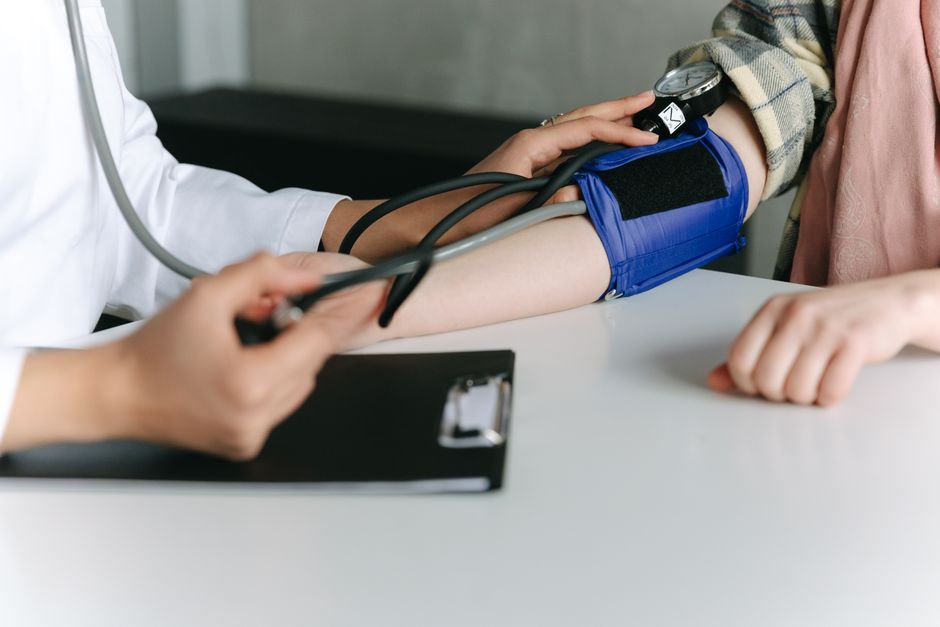
Yes, a blood pressure reading of 160/90 is considered Stage 2 hypertension. This is the second of two stages of high blood pressure defined by clinical guidelines. A reading at this level means your systolic pressure (the top number) is 160 mmHg or higher, or your diastolic pressure (the bottom number) is 100 mmHg or higher. Stage 2 hypertension requires medical attention and a treatment plan, which usually includes lifestyle changes and medication.
What Do the Numbers 160 and 90 Actually Mean?
Blood pressure measures the force of blood against your artery walls. Two numbers make up your reading. The top number, systolic pressure, measures the force when your heart beats and pumps blood. The bottom number, diastolic pressure, measures the force between beats when your heart rests and refills.
A reading of 160/90 means your systolic pressure is 160 mmHg and your diastolic pressure is 90 mmHg. Both numbers are elevated above normal. Normal blood pressure is generally below 120/80. The higher the number, the harder your heart works and the more stress is placed on your arteries.
Is 160 90 High Blood Pressure Stage 2 Explained by Clinical Guidelines
Clinical guidelines define hypertension in stages. Stage 1 hypertension is a systolic reading of 130-139 mmHg or a diastolic reading of 80-89 mmHg. Stage 2 hypertension is a systolic reading of 140 mmHg or higher, or a diastolic reading of 90 mmHg or higher.
A reading of 160/90 clearly falls into Stage 2. The systolic number of 160 is well above the 140 threshold. The diastolic number of 90 meets the threshold exactly. Either number alone would classify you as having Stage 2 hypertension. Having both elevated makes the diagnosis straightforward.
These thresholds come from major clinical guidelines used by doctors across the United States. They are based on large studies showing that blood pressure at these levels significantly increases the risk of heart attack, stroke, and kidney damage.
What Are the Risks of Stage 2 Hypertension?
Sustained blood pressure at 160/90 puts consistent strain on your blood vessels. Over time, this pressure damages the inner lining of arteries. Damaged arteries are more likely to develop plaque buildup, a condition called atherosclerosis. This narrows the arteries and restricts blood flow.
Reduced blood flow to the heart can cause chest pain or a heart attack. Reduced blood flow to the brain increases the risk of stroke. The kidneys also rely on delicate blood vessels. High pressure can damage these vessels and reduce kidney function over time.
The heart itself works harder when blood pressure is high. The left ventricle, the heart’s main pumping chamber, can thicken over time. This condition, called left ventricular hypertrophy, makes the heart less efficient and increases the risk of heart failure.
Vision loss is another possible complication. The retina contains tiny blood vessels that are sensitive to pressure changes. Uncontrolled high blood pressure can damage these vessels and affect eyesight.



How Is Stage 2 Hypertension Diagnosed?
One reading of 160/90 does not automatically mean you have chronic hypertension. Blood pressure naturally fluctuates throughout the day. Stress, physical activity, caffeine, and even the act of visiting a doctor’s office can raise your numbers temporarily.
Doctors typically confirm a diagnosis with multiple readings. They may take several measurements during one visit. They might also ask you to measure your blood pressure at home over a period of days or weeks. Home monitoring provides a more accurate picture of your typical blood pressure than a single office visit.
Your doctor may also use ambulatory monitoring. This involves wearing a device that takes blood pressure readings every 15 to 30 minutes over 24 hours. This method captures your blood pressure during normal daily activities and sleep.
If your readings remain at 160/90 across multiple measurements, the diagnosis of Stage 2 hypertension is confirmed.
What Treatment Options Exist for Stage 2 Hypertension?
Stage 2 hypertension almost always requires medication. Lifestyle changes alone are rarely enough to bring blood pressure down from 160/90 to a healthy range. Your doctor will likely recommend a combination of both.
Several classes of blood pressure medications are available. ACE inhibitors and ARBs relax blood vessels. Calcium channel blockers also relax blood vessels and reduce heart workload. Diuretics help your kidneys remove excess sodium and water from your body, which lowers blood volume and pressure.
Many people with Stage 2 hypertension need more than one medication. Starting with two medications from different classes is common. This approach often controls blood pressure faster than starting with one drug and waiting to see if it works.
Your doctor will decide which medications suit your individual health profile. Factors like age, other medical conditions, and potential side effects all play a role in this decision.
What Lifestyle Changes Support Blood Pressure Management?
Lifestyle changes are a necessary part of treating Stage 2 hypertension. They work alongside medication, not instead of it. Several changes have strong evidence behind them.
Reducing sodium intake is one of the most effective dietary changes. Most Americans consume far more sodium than recommended. The general guidance is to limit sodium to about 2,300 milligrams per day or less. Many people with high blood pressure benefit from aiming lower, around 1,500 milligrams per day. Processed and restaurant foods are the biggest sources of sodium in the typical diet.
Increasing potassium intake can also help. Potassium helps balance the effects of sodium and relaxes blood vessel walls. Good sources include bananas, potatoes, leafy greens, and beans. People with kidney disease should talk to their doctor before increasing potassium, as their kidneys may not handle it well.
Regular physical activity lowers blood pressure. The general recommendation is at least 150 minutes of moderate-intensity aerobic exercise per week. This can include brisk walking, cycling, or swimming. Consistency matters more than intensity.
Maintaining a healthy weight has a direct effect on blood pressure. Excess weight forces the heart to pump harder. Weight loss of even a modest amount can produce meaningful reductions in blood pressure.
Limiting alcohol and quitting smoking are also important. Heavy alcohol use raises blood pressure. Smoking damages blood vessels and accelerates the harmful effects of hypertension.
Stress management techniques may help. Chronic stress can contribute to elevated blood pressure. Deep breathing, meditation, and adequate sleep are reasonable approaches, though their direct blood pressure effects are less well studied than diet and exercise.
When Should You Seek Immediate Medical Care?
A single reading of 160/90 is not a medical emergency by itself. However, very high blood pressure can become dangerous. A reading of 180/120 or higher is considered a hypertensive crisis. This requires immediate medical attention, especially if accompanied by symptoms.
Seek emergency care if you have blood pressure at or above 180/120 along with chest pain, shortness of breath, severe headache, vision changes, or difficulty speaking. These symptoms may indicate organ damage from extremely high pressure.
Even without symptoms, a reading above 180/120 warrants prompt medical evaluation. Do not wait to see if it comes down on its own.
Can Stage 2 Hypertension Be Reversed?
With treatment, blood pressure can return to a normal or near-normal range. This does not mean the underlying tendency toward hypertension is cured. It means the condition is controlled. Most people with Stage 2 hypertension will need medication long-term.
Some people can reduce or stop their medication if they achieve significant lifestyle changes and their blood pressure remains controlled. This decision should always be made with a doctor. Stopping blood pressure medication on your own can cause blood pressure to spike dangerously.
Regular monitoring is essential. Home blood pressure monitors are affordable and widely available. Tracking your readings between doctor visits helps you and your doctor see how well your treatment plan is working.
What Happens if Stage 2 Hypertension Goes Untreated?
Untreated Stage 2 hypertension causes progressive damage over years. The harm is often silent. You may feel fine while your arteries, heart, and kidneys are being damaged.
The long-term consequences include heart attack, stroke, heart failure, kidney failure, and vision loss. These are serious outcomes that can be largely prevented with treatment. The evidence that treating high blood pressure reduces these risks is among the strongest in all of medicine.
Treatment for hypertension is one of the most effective medical interventions available. Blood pressure control has been shown to dramatically reduce the risk of cardiovascular events and death.
Frequently Asked Questions
Is 160/90 dangerous enough to go to the hospital?
No, a reading of 160/90 alone is not a medical emergency requiring hospitalization. Seek emergency care if your reading is 180/120 or higher, especially with symptoms like chest pain, shortness of breath, or severe headache.
How quickly can 160/90 cause organ damage?
Damage from blood pressure at this level typically occurs over years, not days or weeks. However, the damage is progressive and often silent, which is why prompt treatment is important.
Can 160/90 be lowered without medication?
Lifestyle changes like reducing sodium, exercising, and losing weight can lower blood pressure, but Stage 2 hypertension at 160/90 usually requires medication in addition to lifestyle changes.
How often should I check my blood pressure at home?
Your doctor will give you a specific schedule, but checking once or twice daily at consistent times is common when starting treatment. Take readings at the same times each day and record them to share with your doctor.
