
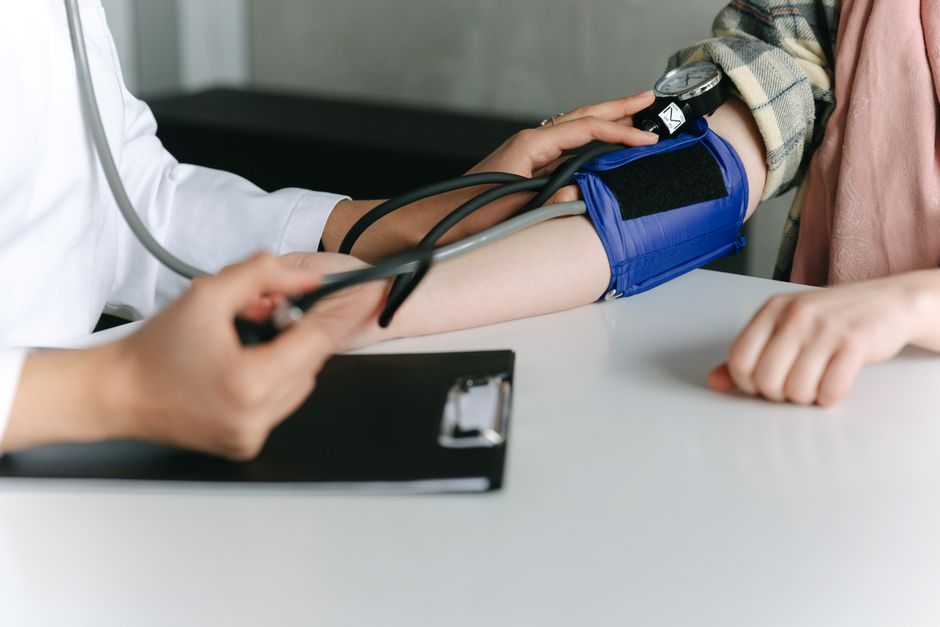
High blood pressure, also called hypertension, affects nearly half of all adults in the United States. The good news is that lifestyle choices have a powerful effect on your numbers. What is good for high blood pressure comes down to a few core habits: eating less sodium, getting regular physical activity, maintaining a healthy weight, and limiting alcohol. These actions are proven to lower blood pressure, and for many people, they work as well as a single medication. The most effective approach combines several of these changes at once, not just one.
What Is Good For High Blood Pressure: The DASH Diet
The Dietary Approaches to Stop Hypertension (DASH) diet is the most studied eating pattern for lowering blood pressure. Research consistently shows it can reduce systolic blood pressure (the top number) by several points within weeks. The diet emphasizes vegetables, fruits, whole grains, and low-fat dairy while limiting saturated fat, red meat, and sweets.
What makes DASH effective is its nutrient profile. It is rich in potassium, calcium, and magnesium — minerals that help blood vessels relax. It is also naturally lower in sodium than a typical American diet. You do not need to follow it perfectly to benefit. Even partial adherence lowers blood pressure, and the more closely you follow it, the greater the effect.
Potassium deserves special attention. Most Americans get too little potassium and too much sodium. Swapping processed foods for whole foods like beans, leafy greens, bananas, and potatoes naturally increases potassium intake. For people with normal kidney function, a potassium-rich diet is safe and beneficial. If you have kidney disease or take certain blood pressure medications, talk to your doctor before increasing potassium significantly.
How Much Sodium Is Too Much?
Sodium raises blood pressure by causing your body to hold onto fluid, which increases the volume of blood in your arteries. The American Heart Association recommends no more than 2,300 milligrams of sodium per day, with an ideal limit of 1,500 milligrams for most adults with high blood pressure. The average American consumes about 3,400 milligrams daily.
Most sodium does not come from your salt shaker. It comes from packaged and restaurant foods. Bread, deli meats, canned soups, pizza, and condiments are common hidden sources. Reading nutrition labels is the most reliable way to track sodium. A food with 5% or less of the Daily Value for sodium is low; 20% or more is high.
Cutting sodium by 1,000 milligrams per day can lower systolic blood pressure by about 6 points in people with hypertension. That is comparable to the effect of a single blood pressure medication. The effect is even larger in people who are salt-sensitive, which includes most older adults and people of African descent.
Physical Activity and Blood Pressure
Regular exercise lowers blood pressure by making your heart stronger and your blood vessels more flexible. A stronger heart pumps blood with less effort, which reduces pressure on artery walls. Exercise also helps with weight control, another major factor in blood pressure.
The American College of Sports Medicine recommends at least 150 minutes of moderate-intensity aerobic exercise per week. That breaks down to about 30 minutes, five days a week. Brisk walking, cycling, swimming, and dancing all count. Blood pressure can drop by 5 to 8 points with regular aerobic exercise.
Isometric exercises also show promise. Some research suggests that isometric handgrip exercises and wall squats may lower blood pressure even more than aerobic exercise. The evidence is growing but not as firmly established as the data for aerobic activity. If you enjoy these exercises, include them. If not, aerobic exercise remains the best-supported choice.
Consistency matters more than intensity. A moderate workout you do regularly beats an intense workout you skip. Blood pressure benefits appear within a few weeks of starting an exercise program and disappear if you stop.


Weight, Waist Size, and Blood Pressure
Excess weight is one of the strongest risk factors for high blood pressure. Each kilogram (2.2 pounds) of weight lost can lower systolic blood pressure by about 1 point. For someone who is significantly overweight, losing 10 pounds can produce a meaningful reduction in blood pressure.
Where you carry weight matters too. Fat stored around the abdomen is more metabolically active and more strongly linked to hypertension than fat stored in the hips and thighs. For men, a waist measurement above 40 inches increases risk. For women, the cutoff is 35 inches. These are general guidelines, not absolute thresholds.
Weight loss lowers blood pressure through several mechanisms. It reduces the workload on your heart, improves insulin sensitivity, and decreases inflammation. The effect is dose-dependent — more weight loss leads to greater blood pressure reduction. Even modest weight loss of 5% to 10% of body weight produces clinically meaningful improvements.
Alcohol, Caffeine, and Blood Pressure
Alcohol has a direct and immediate effect on blood pressure. Drinking raises blood pressure within hours, and chronic heavy drinking is a major cause of persistent hypertension. The American Heart Association recommends no more than two drinks per day for men and one drink per day for women. One drink is 12 ounces of beer, 5 ounces of wine, or 1.5 ounces of distilled spirits.
Reducing alcohol intake lowers blood pressure. People who drink heavily and cut back can see their blood pressure drop by several points. The effect is strongest in people who were drinking more than three drinks per day. If you do not drink, there is no health reason to start.
Caffeine is different. Caffeine causes a temporary spike in blood pressure, especially in people who do not consume it regularly. For habitual coffee drinkers, this effect diminishes over time. Current evidence does not show that long-term coffee consumption causes chronic hypertension. If you have high blood pressure, there is no need to eliminate caffeine unless you notice it raises your readings.
Stress and Sleep: The Overlooked Factors
Chronic stress keeps blood pressure elevated through hormones like cortisol and adrenaline. These hormones constrict blood vessels and increase heart rate. The link between stress and hypertension is well established, though the exact contribution varies from person to person.
Sleep is equally important. Blood pressure normally dips during sleep, a pattern called nocturnal dipping. People who sleep poorly or less than six hours per night lose this dip, which contributes to higher average blood pressure. Obstructive sleep apnea is a specific and treatable cause of hypertension. If you snore loudly or feel exhausted despite adequate sleep, ask your doctor about a sleep study.
Stress reduction techniques like deep breathing, meditation, and yoga have modest but real effects on blood pressure. A regular practice of 10 to 15 minutes per day is more effective than occasional longer sessions. These techniques work best when combined with diet and exercise changes, not instead of them.
Supplements and Natural Remedies: What the Evidence Shows
Several supplements are marketed for blood pressure, but the evidence is mixed. Garlic extract, hibiscus tea, and beetroot juice have shown blood pressure-lowering effects in some studies. The reductions are modest — typically a few points — and not every study agrees.
Potassium supplements are the exception. Potassium supplementation has a stronger evidence base than most other supplements, but it is not appropriate for everyone. People with kidney disease or those taking ACE inhibitors or potassium-sparing diuretics should not take potassium supplements without medical supervision. Getting potassium from food is always safer than from pills.
No supplement replaces lifestyle changes or prescribed medication. If a supplement sounds too good to be true, it likely is. The FDA does not regulate supplements for safety or effectiveness before they reach the market. Tell your doctor about every supplement you take, because some interact with blood pressure medications.
When Lifestyle Changes Are Not Enough
Some people will need medication even with perfect lifestyle habits. Hypertension has a strong genetic component, and some people develop it despite healthy living. This is not a personal failure. Blood pressure medication is safe, effective, and prevents heart attacks, strokes, and kidney damage.
Lifestyle changes and medication work together. People who adopt healthy habits often need lower doses of medication or fewer medications. Some people can reduce their medications under medical supervision after sustained lifestyle changes. Never stop or reduce blood pressure medication on your own — sudden withdrawal can cause dangerous blood pressure spikes.
Home monitoring is a useful tool for tracking progress. A validated home blood pressure monitor costs about $50 and gives you a clearer picture than occasional office readings. Measure at the same time each day, sit quietly for five minutes first, and take two readings one minute apart. Bring your home log to medical appointments.
Frequently Asked Questions
How quickly can lifestyle changes lower blood pressure?
Some changes, like reducing sodium and increasing exercise, can lower blood pressure within two to four weeks. Full benefits typically appear after two to three months of consistent effort.
Is coffee bad for high blood pressure?
No, long-term coffee consumption does not cause chronic hypertension in most people. Caffeine causes a temporary spike, but regular drinkers develop tolerance to this effect.
Can I stop taking blood pressure medication after losing weight?
Some people can reduce or stop medication after significant weight loss, but only under a doctor’s supervision. Stopping suddenly can cause a dangerous spike in blood pressure.
What is the fastest way to lower blood pressure at home?
Deep breathing exercises can lower blood pressure temporarily within minutes, but these effects are short-lived. Durable reduction requires consistent diet, exercise, and weight management.
