
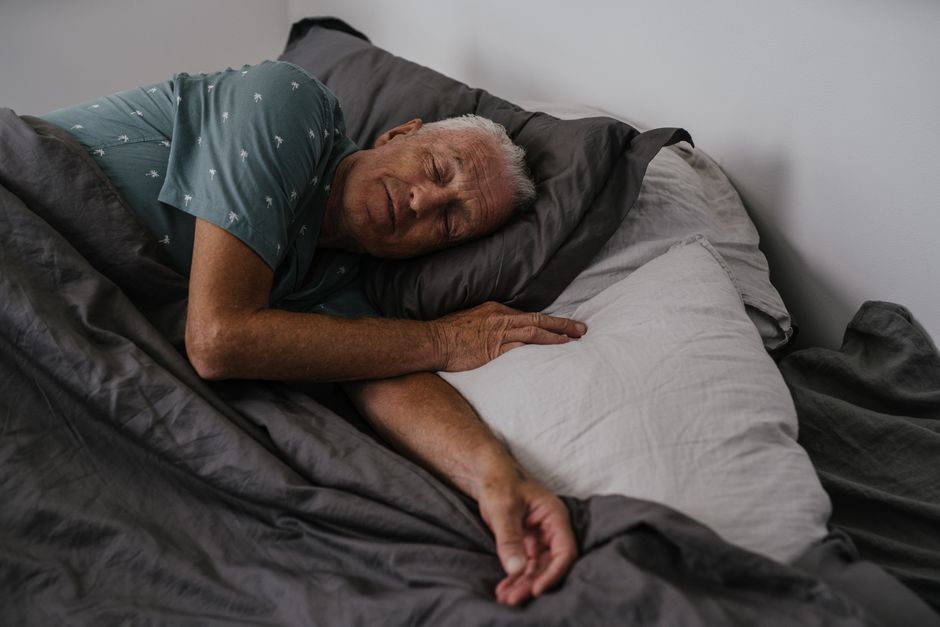
If you have high blood pressure and trouble sleeping, you likely want a safe option. Melatonin is the most studied over-the-counter sleep aid for people with hypertension, and short-term use appears generally safe for most people. However, the evidence is not strong enough to call it universally safe, and some prescription sleep aids can raise blood pressure or interact with blood pressure medications. The safest approach is to talk with your doctor before starting any sleep aid, because your specific medications and health history matter more than any general recommendation.
What Sleep Aid Can I Take With High Blood Pressure?
Melatonin is the most commonly recommended over-the-counter option. It is a hormone your brain already makes to regulate sleep. Most research on melatonin and blood pressure has been short-term, lasting a few weeks at most. Some studies suggest it may slightly lower nighttime blood pressure, but results are not consistent across all research.
Over-the-counter sleep aids containing diphenhydramine (Benadryl, Unisom) or doxylamine are generally considered safe for most people with high blood pressure. These antihistamines do not typically raise blood pressure directly. Still, they can cause next-day drowsiness, dry mouth, and confusion in older adults. They are not designed for long-term nightly use.
Prescription sleep medications are a different story. Some, like zolpidem (Ambien) and eszopiclone (Lunesta), are not known to raise blood pressure in most people. But others, particularly certain antidepressants used for sleep, can affect blood pressure. Always check with your prescribing doctor about interactions with your current blood pressure medications.
How Does Melatonin Affect Blood Pressure?
Melatonin influences your body’s internal clock and may have direct effects on blood vessels. Some research suggests melatonin can help relax blood vessels, which might lower blood pressure slightly. A few small studies have found that taking melatonin before bed reduced nighttime blood pressure in people with hypertension.
Other studies show no significant effect. The research is not large enough or long enough to make firm claims. What matters most is that melatonin does not appear to dangerously spike blood pressure in most people when taken at standard doses. Standard doses range from 0.5 mg to 5 mg, though many products contain 10 mg or more.
One important caution: melatonin can interact with blood pressure medications, especially calcium channel blockers. It may increase the effects of these drugs, causing blood pressure to drop too low. If you take this class of medication, talk to your doctor before using melatonin.
Are Over-the-Counter Antihistamine Sleep Aids Safe?
Diphenhydramine and doxylamine are the active ingredients in most non-prescription sleep aids. These drugs block histamine in the brain, which causes drowsiness. They do not typically raise blood pressure in people with hypertension.
However, these are not ideal long-term solutions. Your body builds tolerance to them quickly, meaning you need more over time to get the same effect. They also carry side effects like daytime grogginess, constipation, and blurred vision. In older adults, they increase the risk of falls and confusion.
If you use an antihistamine sleep aid, use the lowest effective dose for the shortest time possible. They are meant for occasional sleeplessness, not nightly use for weeks or months.

Which Prescription Sleep Medications Are Safer With High Blood Pressure?
Several prescription sleep medications are not known to directly raise blood pressure. These include the non-benzodiazepine hypnotics like zolpidem, eszopiclone, and zaleplon. They work on the same brain receptors as benzodiazepines but are designed to be shorter-acting.
Benzodiazepines like temazepam (Restoril) and triazolam (Halcion) are also not known to raise blood pressure directly. However, they carry higher risks of dependence, tolerance, and withdrawal. They can also cause daytime sedation and memory problems.
Some doctors prescribe trazodone, an antidepressant, for sleep at low doses. Trazodone can cause a drop in blood pressure when you stand up, which can be dangerous if you already take blood pressure medication that lowers your pressure. This combination requires careful monitoring.
Certain sleep medications can actually increase blood pressure or heart rate. These include stimulants used off-label for sleep disorders and some older antidepressants. Never start a prescription sleep medication without reviewing your full medication list with your doctor.
What About Natural Sleep Aids Like Valerian or Magnesium?
Valerian root is a common herbal sleep supplement. Some small studies suggest it may improve sleep quality, but the evidence is weak. Valerian does not appear to have major effects on blood pressure, but it has not been well studied in people with hypertension.
Magnesium has a stronger evidence base. Some research suggests magnesium supplementation may modestly lower blood pressure, particularly in people with deficiency. It also plays a role in muscle relaxation, which some people find helps with sleep. Typical supplemental doses range from 200 mg to 400 mg daily, but check with your doctor first because magnesium can interact with certain blood pressure medications, especially diuretics and some antibiotics.
Herbal supplements are not regulated like medications. The amount of active ingredient in a product can vary widely between brands. Some supplements contain undisclosed ingredients that could affect blood pressure. If you choose to try a natural sleep aid, tell your doctor and choose products from reputable manufacturers that provide third-party testing information.
How Does Sleep Apnea Affect Blood Pressure and Sleep?
Sleep apnea is a common cause of both poor sleep and high blood pressure. In this condition, your breathing repeatedly stops and starts during sleep. Each pause causes a drop in blood oxygen and a spike in stress hormones, which raises blood pressure over time.
Many people with high blood pressure also have undiagnosed sleep apnea. If your sleep problems include loud snoring, gasping during sleep, or excessive daytime sleepiness, ask your doctor about a sleep study. Treating sleep apnea with CPAP therapy can significantly improve both sleep quality and blood pressure control.
No sleep aid will fix sleep apnea. In fact, some sleep medications can make sleep apnea worse by relaxing the airway muscles more than usual. If you have untreated sleep apnea, talk to your doctor before taking any sleep aid.
What Are the Best Non-Medication Sleep Strategies?
Behavioral approaches are the safest options for anyone with high blood pressure. These strategies have no drug interactions and no cardiovascular risks.
Keep a consistent sleep schedule, even on weekends. Your body’s internal clock responds to regularity. Go to bed and wake up at the same time each day.
Create a cool, dark, quiet bedroom. Temperature around 65 degrees Fahrenheit is considered optimal for most people. Use blackout curtains and white noise if needed.
Limit caffeine after noon and avoid alcohol in the evening. Alcohol may help you fall asleep but disrupts sleep later in the night. It can also raise blood pressure, especially when consumed regularly.
Get daylight exposure in the morning. Bright light early in the day helps regulate your circadian rhythm. A 15-minute walk outside after waking can improve nighttime sleep.
If you lie in bed unable to sleep, get up after 20 minutes. Do something quiet in dim light until you feel sleepy. Staying in bed while awake trains your brain to associate bed with wakefulness.
When Should You Talk to Your Doctor About Sleep Aids?
Talk to your doctor before starting any sleep aid if you take blood pressure medication. This is not optional. Some interactions can cause blood pressure to drop too low or rise unexpectedly.
See your doctor first if your sleep problems last more than a few weeks. Chronic insomnia may point to an underlying condition like sleep apnea, depression, or thyroid problems. Treating the root cause is more effective than masking the symptom with a sleep aid.
Emergency symptoms require immediate attention. If you wake up with chest pain, severe shortness of breath, or a racing heart, call 911. These are not normal sleep issues and require urgent evaluation.
Frequently Asked Questions
Can I take melatonin with my blood pressure medication?
Maybe, but check with your doctor first. Melatonin can interact with calcium channel blockers and may cause blood pressure to drop too low in some people.
Is Benadryl safe to take with high blood pressure?
Diphenhydramine is generally considered safe for most people with high blood pressure, but it is not meant for long-term nightly use. It can cause daytime drowsiness and may raise blood pressure in rare individual cases.
What natural sleep aids lower blood pressure?
Magnesium has the best evidence for both sleep and modest blood pressure reduction. Some research suggests melatonin may slightly lower nighttime blood pressure, but results are not consistent.
