
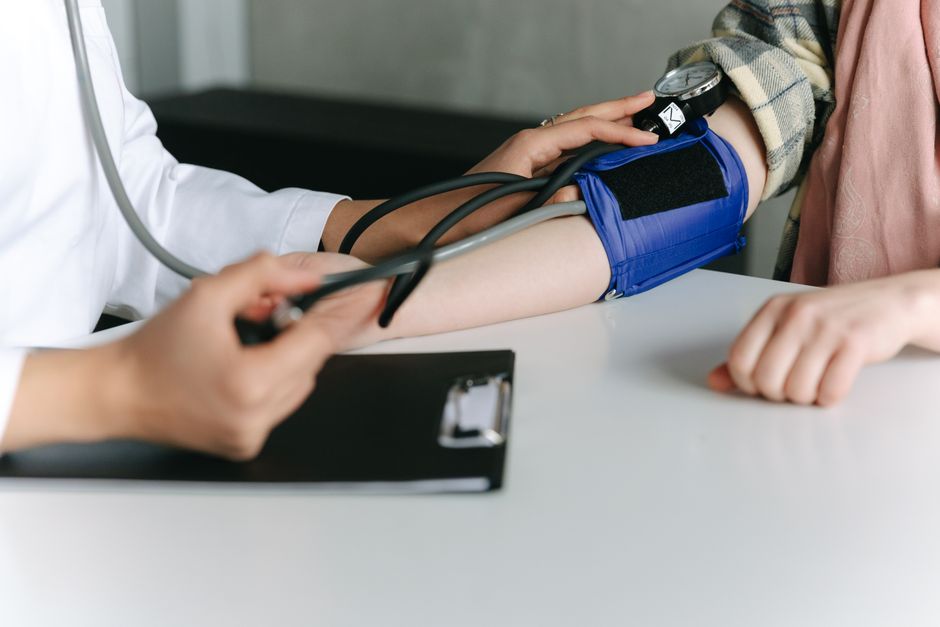
Yes, 120/80 mmHg is a good blood pressure reading. In fact, it is the exact threshold that defines a normal blood pressure according to established clinical guidelines. A reading of 120 systolic (the top number) and 80 diastolic (the bottom number) means your heart is pumping blood through your arteries at a healthy pressure, and your arteries are relaxing properly between beats. This number is not just “good” — it is the textbook definition of optimal adult blood pressure. If your readings are consistently at or below this level, you are in a healthy range and do not meet the criteria for high blood pressure.
What Do the Numbers 120 and 80 Actually Mean?
Blood pressure is measured in millimeters of mercury (mmHg) and recorded as two numbers. The top number, 120, is your systolic pressure. This measures the force of blood against your artery walls when your heart beats and pumps blood out. The bottom number, 80, is your diastolic pressure. This measures the pressure in your arteries when your heart rests between beats.
Both numbers matter. A high systolic pressure means your heart is working too hard to push blood through your vessels. A high diastolic pressure means your arteries are not relaxing enough between beats. When both are in normal range, your cardiovascular system is functioning without unnecessary strain.
Is 120 80 Good Blood Pressure According to Guidelines?
Yes. Clinical guidelines classify blood pressure into specific categories. A normal blood pressure reading is anything less than 120/80 mmHg. A reading of exactly 120/80 sits at the very top of the normal range. It is not considered elevated, and it is not considered high.
Here is how the categories break down according to standard clinical classifications:
- Normal: Systolic less than 120 AND diastolic less than 80
- Elevated: Systolic 120-129 AND diastolic less than 80
- High blood pressure (Stage 1): Systolic 130-139 OR diastolic 80-89
- High blood pressure (Stage 2): Systolic 140 or higher OR diastolic 90 or higher
- Hypertensive crisis: Systolic higher than 180 AND/OR diastolic higher than 120
Notice that 120/80 falls exactly at the boundary. A reading of 120/80 is normal. A reading of 121/80 would be elevated. A reading of 120/81 would be Stage 1 high blood pressure. The distinction matters, but 120/80 itself is a healthy reading.
What If Your Reading Is 120/80 But You Have Risk Factors?
Some people worry that 120/80 is “borderline” and that they are on the verge of developing high blood pressure. That concern is understandable but not entirely accurate. A single reading of 120/80 does not mean you are heading toward hypertension. However, it is true that blood pressure tends to rise with age. Many people who maintain 120/80 in their 30s will see their numbers creep upward in their 50s and 60s.
If you have risk factors such as a family history of hypertension, diabetes, kidney disease, or obesity, your doctor may monitor your blood pressure more closely. Some clinicians recommend lifestyle measures to keep blood pressure from rising even when readings are normal. These measures include maintaining a healthy weight, limiting sodium intake, exercising regularly, and managing stress. These are preventive steps, not treatments for a problem you already have.

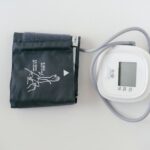
How Is Blood Pressure Measured Correctly?
The accuracy of your blood pressure reading depends heavily on how it is measured. Many people receive high readings in a doctor’s office simply because they are anxious — a phenomenon known as white coat hypertension. Conversely, some people have normal readings in the office but elevated readings at home, which is called masked hypertension.
To get an accurate reading, follow these steps:
- Sit quietly for five minutes before measuring.
- Sit with your back supported and feet flat on the floor.
- Place the cuff on a bare arm at heart level.
- Do not talk during the measurement.
- Take two readings one minute apart and average them.
Home monitors are useful for tracking blood pressure over time. However, not all home monitors are accurate. If you have a home monitor, bring it to your doctor’s office and compare its readings to the office equipment. This ensures your device is calibrated correctly.
Does 120/80 Mean You Are Free From Heart Disease Risk?
No. A normal blood pressure reading is excellent, but it does not guarantee that you are free from cardiovascular risk. Blood pressure is one of several major risk factors for heart disease and stroke. Others include cholesterol levels, smoking status, diabetes, age, and family history.
Research consistently shows that lower blood pressure within the normal range is associated with lower cardiovascular risk. But the relationship is not absolute. Someone with normal blood pressure who smokes and has high cholesterol still faces significant cardiovascular risk. Blood pressure is a piece of the puzzle, not the entire picture.
When Should You Be Concerned About 120/80?
You generally should not be concerned about a single reading of 120/80. However, there are circumstances where context matters. If you have chronic kidney disease, heart failure, or a history of stroke, your doctor may set a lower target for you. For people with certain medical conditions, a blood pressure of 120/80 may be higher than their specific treatment goal.
Pregnant women also have unique blood pressure considerations. Blood pressure normally changes during pregnancy. What is normal for one trimester may not be normal for another. If you are pregnant and see a reading of 120/80, discuss it with your obstetrician. They will interpret the reading in the context of your overall pregnancy health.
How Often Should You Check Your Blood Pressure?
For healthy adults with normal blood pressure, checking once a year during a routine physical is sufficient for most people. If you have a home monitor and want to track your numbers more frequently, that is fine — just do not obsess over daily fluctuations.
Blood pressure naturally varies throughout the day. It is lower during sleep and higher during physical activity or stress. A single high reading does not mean you have hypertension. A single normal reading does not mean you never will. What matters is the pattern over time. If your home readings consistently stay below 120/80, you are in good shape.
Can You Maintain 120/80 as You Age?
Many people can. Blood pressure does tend to rise with age because arteries naturally become stiffer over time. However, lifestyle choices significantly influence how much your blood pressure rises. People who maintain a healthy diet, stay physically active, keep their weight in a healthy range, and avoid excessive alcohol typically see slower increases in blood pressure as they age.
The DASH diet (Dietary Approaches to Stop Hypertension) has been studied extensively for its effects on blood pressure. Research has found that this eating pattern, which emphasizes fruits, vegetables, whole grains, and low-fat dairy while limiting sodium and saturated fat, can lower blood pressure in people with elevated readings. For people with normal blood pressure, following similar dietary principles may help maintain healthy numbers over time.
What Is Considered Low Blood Pressure?
While 120/80 is normal, blood pressure can also be too low. Hypotension is generally defined as a systolic pressure below 90 or a diastolic pressure below 60. For most people, low blood pressure is not a problem unless it causes symptoms like dizziness, fainting, or fatigue.
Some healthy people naturally run low — 100/60, for example — and feel perfectly fine. That is not a concern. Low blood pressure becomes a medical issue when it causes symptoms or when it drops suddenly. If you feel lightheaded when standing up quickly, mention it to your doctor. But a reading of 120/80 does not put you anywhere near the low range.
When to Talk to Your Doctor About Blood Pressure
If your blood pressure readings are consistently 120/80 or below, you do not need to take any specific action other than continuing routine checkups. However, you should talk to your doctor if you notice a pattern of rising readings over time. A jump from 110/70 to 120/80 over a few years is worth discussing. It may not require treatment, but it is a signal that your blood pressure trajectory is moving upward.
Also talk to your doctor if you have symptoms that could be related to blood pressure problems, such as frequent headaches, chest pain, shortness of breath, or vision changes. These symptoms warrant evaluation regardless of your blood pressure numbers.
Frequently Asked Questions
Is 120/80 considered high blood pressure?
No, 120/80 is considered normal blood pressure. It sits at the top of the normal range, and anything below 120/80 is also normal.
What is a dangerous blood pressure level?
A hypertensive crisis occurs when systolic pressure is higher than 180 or diastolic pressure is higher than 120. This requires immediate medical attention.
Should I worry if my blood pressure is 120/80?
No, you should not worry about a single reading of 120/80. It is a healthy reading, though it is worth monitoring your blood pressure over time as part of routine health care.
Can 120/80 turn into high blood pressure?
Blood pressure naturally rises with age for many people, but 120/80 itself is not a warning sign. Healthy lifestyle habits can help you maintain normal blood pressure as you get older.
