
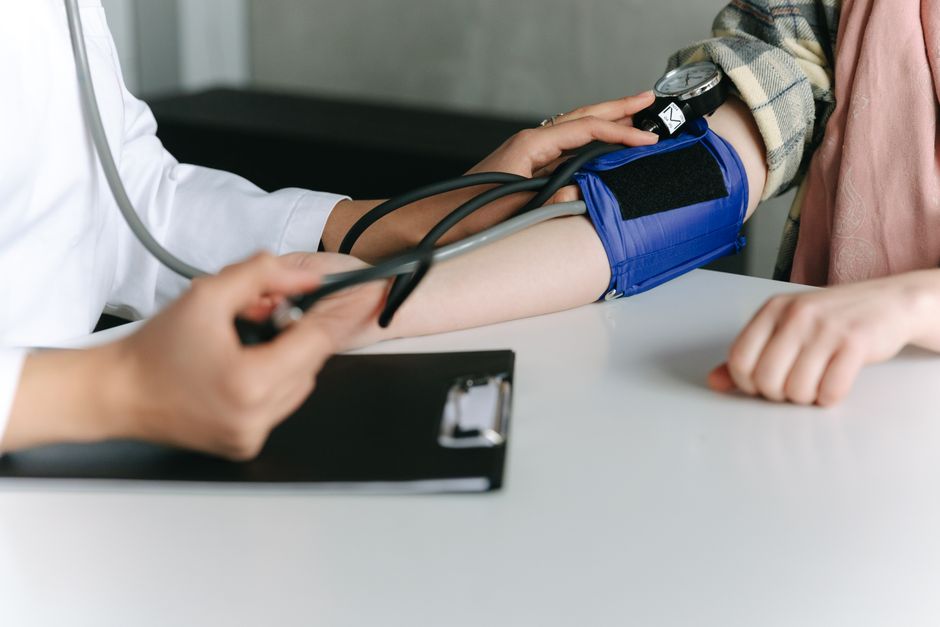
Yes, it is normal for blood pressure to go up and down. Your blood pressure is not a fixed number — it changes minute to minute, hour to hour, and day to day in response to what your body is doing. A reading that rises during exercise or a stressful moment and settles back down afterward is expected physiology, not a sign that something is wrong.
What matters is not whether your blood pressure moves. It always moves. What matters is the range it moves within, how quickly it returns to your baseline, and whether your average readings over time are drifting upward.
Why Does Blood Pressure Change Throughout the Day?
Blood pressure is a dynamic measurement, not a static one. Your body constantly adjusts it to match what your organs need at any given moment.
When you stand up from a chair, your blood vessels tighten slightly to keep blood flowing to your brain. When you sleep, your blood pressure typically drops — a pattern clinicians call nocturnal dipping. When you exercise, it rises to deliver more oxygen to working muscles. These shifts are the system working as designed.
Hormones play a role too. Adrenaline and cortisol can push blood pressure up during stress or physical exertion. After the trigger passes, levels usually return toward baseline.
Even the act of having your blood pressure measured can raise it. Some people experience what clinicians call white coat hypertension — a temporary rise triggered by the setting itself. Research suggests this affects a meaningful share of patients, which is one reason a single high reading is rarely enough to diagnose anything.
Is It Normal For Blood Pressure To Go Up And Down With Stress?
Stress raises blood pressure, and that response is normal. The question is whether it stays elevated.
Acute stress — a difficult conversation, a near-miss in traffic, a sudden scare — triggers a surge in stress hormones. Your heart beats faster and harder. Blood vessels may narrow. Blood pressure climbs. This is a short-term response. Once the stressor passes, the system typically returns to baseline within minutes to hours.
Chronic stress is a different situation. When stress is ongoing — financial worry, caregiving, a demanding job — the body may stay in a heightened state more often. Over time, this can contribute to sustained higher blood pressure. The relationship is well documented but not fully understood, and it interacts with other factors like sleep, diet, and genetics.
One clarification worth making: emotional stress alone rarely causes dangerously high blood pressure in someone whose baseline is normal. The bigger concern is how chronic stress shapes long-term patterns and influences behaviors — poor sleep, more alcohol, less exercise — that do affect blood pressure over years.
What Is a Normal Blood Pressure Range?
A normal resting blood pressure for most adults is below 120/80 mm Hg. The top number (systolic) measures pressure when your heart beats. The bottom number (diastolic) measures pressure between beats.
| Category | Systolic (mm Hg) | Diastolic (mm Hg) |
|---|---|---|
| Normal | Below 120 | Below 80 |
| Elevated | 120–129 | Below 80 |
| Stage 1 hypertension | 130–139 | 80–89 |
| Stage 2 hypertension | 140 or higher | 90 or higher |
These categories come from established clinical guidelines used in the United States. A single reading in the elevated or hypertensive range does not mean you have high blood pressure. Diagnosis generally requires multiple readings over time, taken under proper conditions.
Normal ranges can differ for children, pregnant women, and people with certain medical conditions. If you fall into one of those groups, standard adult categories may not apply to you.
How Much Variation Is Too Much?
Some variation is expected. The concern is extreme swings or readings that stay high.
Blood pressure that drops suddenly when you stand — a condition called orthostatic hypotension — can cause dizziness or fainting. It is more common in older adults and in people taking certain medications. A drop of at least 20 mm Hg in systolic pressure within a few minutes of standing is one commonly used definition.
On the other end, blood pressure that spikes very high (generally above 180/120 mm Hg) and stays there may require urgent medical attention, especially if it comes with symptoms like chest pain, shortness of breath, severe headache, or vision changes.
For most people, the more meaningful measure is average blood pressure over time. Wide day-to-day swings are less concerning than consistently elevated readings, though research into visit-to-visit variability and cardiovascular risk is ongoing and the evidence is not yet settled.
Why Do Home Readings Differ From Doctor’s Office Readings?
Home and office readings often differ, and that difference is usually explainable.
- Setting: A clinic visit can trigger a stress response that raises blood pressure temporarily.
- Timing: Readings taken at different times of day naturally vary.
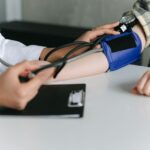
- Technique: Cuff size, arm position, and whether you sat quietly beforehand all affect results.
- Activity: Caffeine, exercise, smoking, or a full bladder can raise readings.
Home monitoring can give a more complete picture because it captures many readings over weeks rather than a single snapshot. For that reason, many clinicians now encourage patients to track blood pressure at home using a validated upper-arm monitor.
That said, home devices vary in accuracy. A monitor that has not been validated may give misleading numbers. Bringing your home monitor to a medical appointment so it can be checked against the office device is a reasonable step.
When Should You Be Concerned About Blood Pressure Changes?
Occasional ups and downs are not a reason for worry. Certain patterns are worth discussing with a clinician.
- Readings that are consistently at or above 130/80 mm Hg on multiple occasions
- Blood pressure that suddenly drops when you stand, causing dizziness or fainting
- Readings above 180/120 mm Hg, especially with symptoms
- New or worsening headaches, chest pain, or vision changes alongside high readings
This is not a complete list, and it is not a diagnosis. Anyone with concerns about their blood pressure patterns should speak with a healthcare provider rather than trying to interpret readings alone.
One practical point: how you measure matters as much as what you measure. Sitting quietly for five minutes, feet flat on the floor, back supported, arm at heart level, and no caffeine or exercise for 30 minutes beforehand gives a far more reliable reading than a quick check right after climbing stairs.
Does Blood Pressure Naturally Rise With Age?
Systolic blood pressure tends to rise with age for many adults. Arteries stiffen over time, and that stiffness can push the top number upward.
This trend is common but not inevitable. Lifestyle factors — physical activity, sodium intake, body weight, alcohol use, and sleep — influence how much blood pressure rises with age. Some people maintain normal readings well into older adulthood.
Because the rise is gradual, it can go unnoticed. That is one argument for periodic monitoring even when you feel fine. High blood pressure typically has no symptoms until it has caused damage, which is why it is often called a silent condition.
What Affects Blood Pressure From One Reading to the Next?
Many everyday factors shift blood pressure in the short term. Knowing them helps you interpret your own numbers more accurately.
- Time of day: Blood pressure is often higher in the morning and lower at night.
- Food and drink: Caffeine and high-sodium meals can raise it temporarily; alcohol can too.
- Physical activity: Exercise raises blood pressure during the activity and often lowers it afterward.
- Bladder fullness: A full bladder can push readings up.
- Talking: Even chatting during a measurement can raise the number.
- Temperature: Cold can constrict blood vessels and raise pressure.
- Medications: Many prescription and over-the-counter drugs affect blood pressure.
None of these factors mean your blood pressure is unhealthy. They mean the measurement reflects the moment, not your overall cardiovascular state.
Frequently Asked Questions
Is it normal for blood pressure to go up and down every day?
Yes, daily fluctuations are normal and expected. Blood pressure changes with activity, stress, sleep, and even the time of day.
What is a dangerously high blood pressure reading?
A reading of 180/120 mm Hg or higher is generally considered a hypertensive crisis, especially if it comes with symptoms like chest pain, shortness of breath, or vision changes. Seek emergency care in that situation.
Can anxiety cause high blood pressure readings?
Yes, anxiety can raise blood pressure temporarily, sometimes significantly. A single high reading during a stressful moment does not mean you have chronic high blood pressure.
Should I worry if my blood pressure is different at home versus the doctor’s office?
Not necessarily — differences between home and office readings are common. Bring both sets of numbers to your doctor so they can be interpreted together.
