
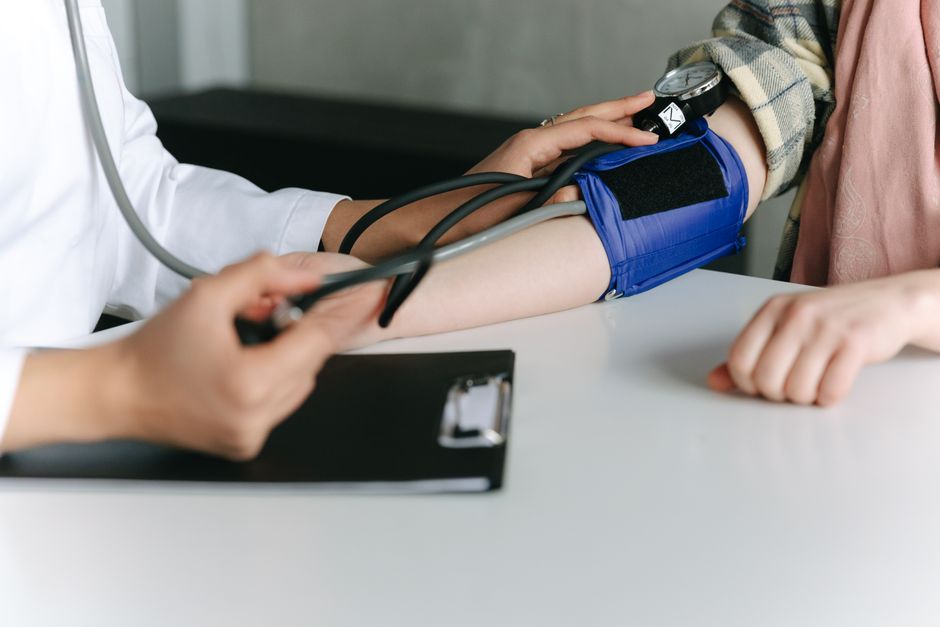
A reading of 106 over 66 is generally considered normal, not too low, for most adults. The top number (106) falls within the normal systolic range, and the bottom number (66) is within the normal diastolic range. Unless you are having symptoms like dizziness, fainting, or unusual fatigue, this reading usually does not require medical attention.
What Do the Numbers 106 and 66 Actually Mean?
Blood pressure is recorded as two numbers. The top number, called systolic pressure, measures the force of blood against your artery walls when your heart beats. The bottom number, called diastolic pressure, measures that same force between beats, while your heart is resting and refilling.
A reading of 106/66 means your systolic pressure is 106 millimeters of mercury (mm Hg) and your diastolic pressure is 66 mm Hg. Both numbers sit comfortably within the range that clinical guidelines define as normal.
According to the American Heart Association and the American College of Cardiology, normal blood pressure for adults is below 120/80 mm Hg. There is no lower cutoff for a “normal” reading in these guidelines, because what counts as too low depends heavily on the person.
Is 106 Over 66 Blood Pressure Normal Or Too Low?
For most adults, 106/66 is normal.
It sits in the healthy range. Your heart is pumping effectively, and your arteries are offering normal resistance. Many people, especially those who are physically fit, younger, or taking certain medications, run naturally in this range without any problems.
The key word is most. Whether a blood pressure reading is “too low” depends less on the number itself and more on how you feel and what is normal for you. A reading of 106/66 that causes no symptoms is not a concern. The same reading in someone who normally runs 130/85 and suddenly drops could signal a problem.
Clinical guidelines do not define hypotension (low blood pressure) by a single number. Instead, low blood pressure is generally identified when readings are below 90/60 mm Hg and symptoms are present. Some clinicians use the threshold of 90/60 to flag potential concern, but this is a general reference point, not a strict diagnostic rule. A person can have a reading of 85/55 and feel perfectly fine, while another person at 95/65 may feel dizzy and faint.
When Should You Worry About a Blood Pressure Reading Like This?
The number matters less than the symptoms. If 106/66 is your usual reading and you feel well, there is nothing to worry about.
Pay attention if you experience any of the following alongside a low reading:
- Dizziness or lightheadedness, especially when standing up
- Fainting or near-fainting
- Blurred or fading vision
- Confusion or difficulty concentrating
- Nausea
- Unusual fatigue
- Cold, clammy, or pale skin
- Rapid or irregular heartbeat
These symptoms suggest your brain and organs may not be getting enough blood flow. That is when low blood pressure becomes a genuine medical concern, regardless of the exact numbers.
A sudden drop in blood pressure, even if it does not go below 90/60, can also be serious. If your reading was recently much higher and has dropped significantly, that change itself is worth discussing with a doctor.

What Causes Blood Pressure to Run on the Lower Side?
Several factors can keep blood pressure naturally low or push it lower than usual.
Constitution and fitness. People who exercise regularly often have lower resting blood pressure. Athletic training strengthens the heart, allowing it to pump more blood with each beat. This can result in readings in the 100–110/60–70 range as a normal baseline.
Medications. Many common medications lower blood pressure as a side effect or as their main purpose. These include:
- Blood pressure medications (diuretics, ACE inhibitors, beta-blockers, calcium channel blockers)
- Some antidepressants
- Medications for Parkinson’s disease
- Certain drugs for erectile dysfunction
- Some antipsychotics and sedatives
Dehydration. Not drinking enough fluids reduces blood volume, which can lower pressure.
Standing up quickly. This can cause a temporary drop known as orthostatic hypotension. It happens when blood pools in the legs and the body does not adjust fast enough.
Meals. Some people, particularly older adults, experience a drop in blood pressure after eating. This is called postprandial hypotension.
Other medical conditions. Heart problems, endocrine disorders, severe infections, and nutritional deficiencies can all affect blood pressure.
Pregnancy. Blood pressure often drops in early to mid-pregnancy because blood vessels widen. A reading of 106/66 during pregnancy may be entirely normal, but pregnant women should discuss any blood pressure changes with their healthcare provider.
Does Age Change What Counts as Normal?
Yes. Blood pressure patterns shift with age, and what is typical for a 25-year-old differs from what is typical for a 60-year-old.
In general, systolic pressure tends to rise gradually with age as arteries stiffen. Diastolic pressure often rises until around age 50, then may begin to fall. This means an older adult with a reading of 106/66 may be running lower than expected for their age, while a younger adult at the same reading is squarely in the normal range.
That said, 106/66 is not automatically a concern at any adult age. The question is whether it represents a change from your normal and whether you have symptoms.
Should You Try to Raise Blood Pressure of 106/66?
No. If you have no symptoms, there is no reason to try to raise a blood pressure reading of 106/66. It is already in the healthy range.
Some people worry that “low” blood pressure means poor circulation or a weak heart. That is not accurate. A healthy, efficient heart often produces lower readings. Athletes and fit individuals commonly run in this range.
If you do have symptoms of low blood pressure, the approach depends on the cause. A doctor may recommend:
- Drinking more water throughout the day
- Increasing salt intake (only if a doctor advises it — this is not appropriate for everyone)
- Wearing compression stockings
- Adjusting medications that contribute to low pressure
- Eating smaller, more frequent meals if postprandial hypotension is the issue
- Rising slowly from sitting or lying positions
These measures are not universal recommendations. They apply to specific situations and should be discussed with a healthcare provider.
How Does 106/66 Compare to Other Blood Pressure Ranges?
The table below shows the categories defined by the American Heart Association and American College of Cardiology. These categories apply to adults who are not taking blood pressure medication and do not have acute illness.
| Category | Systolic (mm Hg) | Diastolic (mm Hg) |
|---|---|---|
| Normal | Below 120 | Below 80 |
| Elevated | 120–129 | Below 80 |
| Stage 1 Hypertension | 130–139 | 80–89 |
| Stage 2 Hypertension | 140 or higher | 90 or higher |
| Hypertensive Crisis | Higher than 180 | Higher than 120 |
Notice that 106/66 falls well within the normal category. There is no “too low” category in these guidelines because low blood pressure is defined by symptoms, not just numbers.
What About Blood Pressure That Runs Low All the Time?
Some people naturally have low blood pressure their whole lives. This is called constitutional hypotension. It is not a disease. If you have always run around 100–110/60–70 and feel fine, that is simply your normal.
Problems arise when low blood pressure is new, when it drops suddenly, or when it causes symptoms. In those cases, a doctor can investigate underlying causes such as heart conditions, hormone imbalances, or medication effects.
For the vast majority of people with a reading of 106/66 and no symptoms, no treatment or lifestyle change is needed.
Frequently Asked Questions
Is 106 over 66 a good blood pressure?
Yes, 106/66 is considered a healthy blood pressure for most adults. It falls within the normal range defined by major heart organizations.
Can 106 over 66 cause dizziness?
It can if your blood pressure normally runs higher and has dropped, or if you are dehydrated or standing up quickly. A reading of 106/66 itself is not a typical cause of dizziness in someone who usually runs in this range.
What if my blood pressure is usually higher and now it is 106 over 66?
A significant drop from your normal reading is worth mentioning to a doctor, even if 106/66 is technically normal. The change matters more than the number alone.
Should I go to the hospital for blood pressure of 106 over 66?
No, unless you have symptoms like fainting, chest pain, severe dizziness, or confusion. A reading of 106/66 without symptoms does not require emergency care.
