
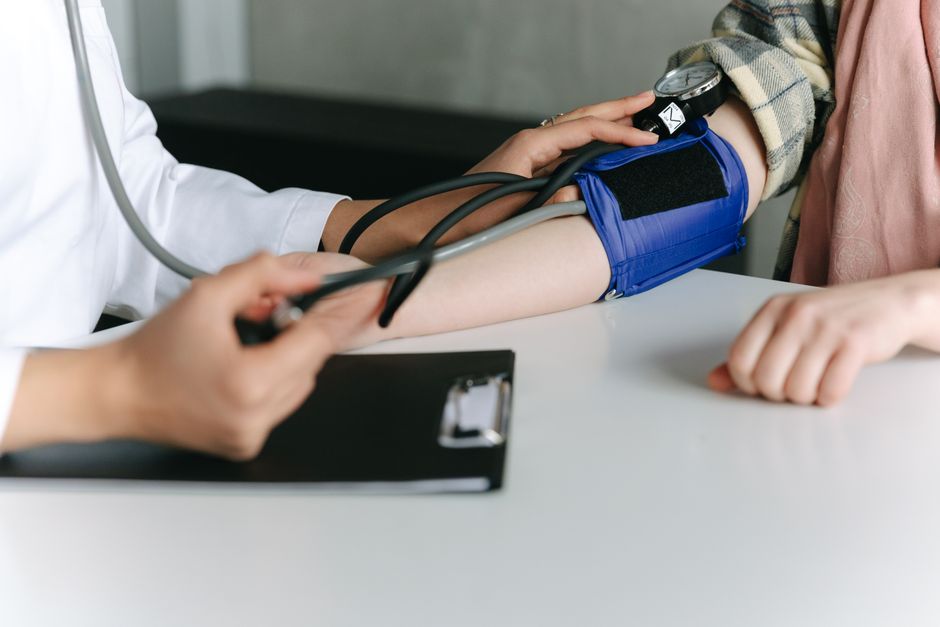
Blood pressure that is too low — called hypotension — is generally defined as a reading below 90/60 mmHg. But here is what matters more than the number: a blood pressure is only considered too low when it causes symptoms or when it drops suddenly. Many healthy people live at 85/55 mmHg with no problems at all. For others, a reading of 100/65 can signal trouble if it represents a sharp fall from their normal.
What Is Too Low For Blood Pressure?
The standard medical threshold is 90/60 mmHg. When the top number (systolic pressure) falls below 90 or the bottom number (diastolic pressure) drops below 60, clinicians typically classify it as hypotension.
But this threshold is a reference point, not a diagnosis. The real question is whether that number is normal for you and whether your body is functioning properly at that level. A young, petite woman who normally runs 88/56 and feels fine does not have a medical problem. An older adult whose pressure suddenly drops to 88/56 from a usual 140/85 may be in a dangerous situation.
Symptoms are the deciding factor. When blood pressure is genuinely too low, the brain and organs are not getting enough blood flow. That produces recognizable signs.
- Dizziness or lightheadedness, especially when standing up
- Fainting (syncope)
- Blurred or narrowing vision
- Fatigue that is unusual for you
- Difficulty concentrating
- Nausea
- Cold, clammy, pale skin
- Rapid or irregular heartbeat
- Confusion (in severe cases)
If you have none of these symptoms, a low reading on its own is usually not cause for concern. If you have several of them, the number matters less than what your body is telling you.
What Causes Blood Pressure to Drop Too Low?
Low blood pressure has many possible causes, and identifying the underlying reason is more useful than focusing on the number itself. Doctors generally group them into a few categories.
Dehydration and Blood Loss
When your body loses more fluid than it takes in, blood volume drops. Less volume means lower pressure in the arteries. This can happen from not drinking enough water, prolonged vomiting or diarrhea, heavy sweating, or fever. Significant blood loss — from surgery, trauma, or internal bleeding — causes a more dangerous drop.
Medications
Many common medications lower blood pressure as a side effect or as their intended purpose. This is one of the most frequent causes of symptomatic low blood pressure in adults over 50.
- Blood pressure medications (diuretics, beta-blockers, ACE inhibitors, calcium channel blockers)
- Alpha-blockers used for prostate enlargement
- Antidepressants, particularly tricyclics and MAOIs
- Parkinson’s disease medications
- Some erectile dysfunction drugs, especially when combined with nitrates
If you take any of these and experience dizziness or fainting, that is a conversation to have with your prescribing doctor. Do not stop a medication on your own.
Heart Problems
A heart that cannot pump effectively will produce low blood pressure. Conditions include very slow heart rate (bradycardia), heart valve problems, heart attack, and heart failure. In these cases, low blood pressure reflects a pump problem rather than a volume or vessel problem.
Endocrine Conditions
Hormones help regulate blood pressure. When hormone production is disrupted — as in adrenal insufficiency (Addison’s disease), low thyroid function (hypothyroidism), or low blood sugar — blood pressure can fall. These conditions are less common but important to identify because they require specific treatment.
Severe Infection and Allergic Reaction
Septic shock and anaphylaxis both cause blood pressure to plummet dangerously. These are medical emergencies. Septic shock involves a widespread infection triggering systemic inflammation that causes blood vessels to dilate uncontrollably. Anaphylaxis is a severe allergic reaction that produces the same effect within minutes. Both require immediate emergency treatment.
Nutritional Deficiencies
Severe deficiencies in vitamin B12, folate, and iron can lead to anemia, which reduces the blood’s oxygen-carrying capacity and can lower blood pressure. These deficiencies are diagnosed through blood tests and corrected with supplementation under medical supervision.
Types of Low Blood Pressure
Doctors classify hypotension by when it occurs and what triggers it. The type often points to the cause.
| Type | When It Happens | Common Triggers |
|---|---|---|
| Orthostatic (postural) hypotension | Within seconds to minutes of standing up | Dehydration, prolonged bed rest, medications, aging |
| Postprandial hypotension | 30 to 75 minutes after eating | Heavy meals, especially high-carbohydrate; more common in older adults |
| Neurally mediated hypotension | After standing for a long time | Prolonged standing; more common in younger people |
| Severe hypotension (shock) | Sudden, with organ dysfunction | Blood loss, infection, allergic reaction, heart failure |
Orthostatic hypotension is the most common type doctors see in clinical practice. It is defined as a drop of at least 20 mmHg in systolic pressure or 10 mmHg in diastolic pressure within three minutes of standing. That specific measurement is well established in clinical guidelines.
Postprandial hypotension is less widely known. After a meal, blood pools in the digestive tract. Normally the body compensates by constricting blood vessels elsewhere and increasing heart rate. In some older adults, that compensation does not work well, and blood pressure drops. This can cause dizziness or falls after eating.


When Is Low Blood Pressure an Emergency?
Low blood pressure becomes an emergency when it is accompanied by signs that organs are not getting enough blood. The specific numbers matter less than the overall picture.
Call emergency services if someone with low blood pressure has any of the following:
- Confusion or loss of consciousness
- Rapid, shallow breathing
- Weak, rapid pulse
- Cold, pale, or bluish skin
- Chest pain
- Severe shortness of breath
These signs suggest shock, which is a life-threatening condition. Shock is not the same as feeling faint. It means the body’s vital organs are being deprived of blood flow, and it can progress quickly. In a hospital, shock is treated with intravenous fluids, medications to raise blood pressure, and treatment of the underlying cause.
For non-emergency situations — occasional dizziness when standing, mild fatigue — the approach is different. Your doctor will typically check for the causes listed above and may recommend simple measures while the workup is underway.
How Is Low Blood Pressure Treated?
Treatment depends entirely on the cause and whether you have symptoms. Asymptomatic low blood pressure generally needs no treatment. When treatment is needed, the approach may include several strategies.
Fluids and salt. For mild cases related to dehydration or low blood volume, drinking more water and increasing salt intake may help. This should only be done under medical guidance, because extra salt is not appropriate for everyone — particularly people with heart or kidney conditions.
Medication adjustments. If a medication is causing the problem, your doctor may change the dose, switch to a different drug, or adjust the timing. Never make these changes on your own.
Compression stockings. These apply pressure to the legs and help prevent blood from pooling there when you stand. Some clinicians recommend them for orthostatic hypotension, though the evidence for how well they work varies depending on the type and fit.
Medications to raise blood pressure. In more serious cases, doctors may prescribe drugs such as fludrocortisone or midodrine. These are used under close medical supervision and are not appropriate for everyone.
Treating the underlying condition. If low blood pressure stems from heart failure, adrenal insufficiency, anemia, or another condition, treating that condition is the primary approach.
Some simple habits can reduce symptoms for people prone to drops. Standing up slowly rather than jumping up. Eating smaller, more frequent meals instead of large ones. Drinking water before and during exercise. Avoiding prolonged standing in one position. Elevating the head of the bed slightly during sleep. These are commonly recommended by clinicians, though individual results vary.
Is Low Blood Pressure Ever a Good Thing?
Yes, in many cases. People who exercise regularly often have lower resting blood pressure than sedentary individuals. Their hearts pump more efficiently, so the same output is achieved at lower pressure. This is generally a sign of cardiovascular fitness, not a problem.
Some research suggests that very low blood pressure in older adults may be associated with certain health risks, but the relationship is not straightforward. What matters is whether the low pressure is normal for that person and whether it causes symptoms. A fit 40-year-old runner with a resting pressure of 95/60 and no symptoms is in a different category than an 80-year-old whose pressure has dropped from 150/90 to 90/60 over a few weeks.
The context — age, fitness, medications, recent changes, and symptoms — determines whether a low reading is harmless or concerning.
Frequently Asked Questions
What blood pressure is too low?
Below 90/60 mmHg is the standard medical definition of low blood pressure. However, it is only considered a problem if it causes symptoms or represents a sudden drop from your normal level.
Can low blood pressure be dangerous?
Yes, if it is severe enough to reduce blood flow to the brain and organs, which can lead to fainting, falls, shock, or organ damage. Mildly low blood pressure without symptoms is generally not dangerous.
What should I do if my blood pressure drops suddenly?
Sit or lie down immediately and drink water if you can. If you experience confusion, chest pain, rapid breathing, or lose consciousness, seek emergency medical care right away.
Does low blood pressure mean I need medication?
Not usually. Most cases of low blood pressure without symptoms require no treatment. When treatment is needed, it depends on the cause and may involve fluids, medication adjustments, or treating an underlying condition.
