

A blood pressure reading of 122/78 sits in a gray area that confuses many people. It is not high blood pressure, but it is not optimal either. The number 122 is your systolic pressure (the force when your heart beats), and 78 is your diastolic pressure (the force when your heart rests between beats). According to the American Heart Association, this reading falls into the elevated category. Normal blood pressure is below 120/80. So 122/78 is elevated, not normal, and not yet high blood pressure. This distinction matters because elevated readings are a warning sign, not a diagnosis.
What Do the Numbers 122 and 78 Actually Mean?
The top number, 122, is your systolic blood pressure. This measures the pressure in your arteries when your heart muscle contracts. The bottom number, 78, is your diastolic blood pressure. This measures the pressure when your heart relaxes between beats.
The American Heart Association defines normal blood pressure as systolic under 120 and diastolic under 80. A reading of 120-129 systolic with diastolic under 80 is considered elevated. Your 122 systolic puts you in that elevated range. The 78 diastolic is normal but does not cancel out the elevated systolic number.
What matters most is the trend over time. One reading of 122/78 does not mean you have a problem. But if your blood pressure consistently reads in this range, it means your arteries are under slightly more pressure than ideal. Research published in the Journal of the American College of Cardiology found that people with systolic readings between 120-129 had a higher risk of developing full hypertension within four years compared to those with readings below 120.
Is 122 78 A Good Blood Pressure Elevated Or Normal According to Official Guidelines?
The American Heart Association and the American College of Cardiology jointly released guidelines in 2017 that changed how we classify blood pressure. Before 2017, 122/78 was considered normal. After 2017, it became elevated. This shift was based on strong evidence showing that damage to blood vessels begins at lower pressures than previously thought.
Here is the full classification breakdown according to these guidelines:
| Category | Systolic (top number) | Diastolic (bottom number) |
|---|---|---|
| Normal | Less than 120 | Less than 80 |
| Elevated | 120-129 | Less than 80 |
| High Blood Pressure Stage 1 | 130-139 | 80-89 |
| High Blood Pressure Stage 2 | 140 or higher | 90 or higher |
| Hypertensive Crisis | Higher than 180 | Higher than 120 |
Your reading of 122/78 fits squarely in the elevated category. It is not hypertension. It is not normal. It is the warning zone. The guidelines recommend lifestyle changes for people with elevated blood pressure, not medication. This is a key point many people miss.
How Often Should You Check Your Blood Pressure If It Is Elevated?
If you got one reading of 122/78 at a pharmacy machine or a doctor’s office, do not panic. Blood pressure fluctuates throughout the day. Stress, caffeine, exercise, and even talking can raise it temporarily. The CDC recommends taking multiple readings over time to get an accurate picture.
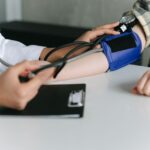
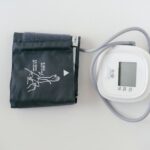
For a reliable assessment, measure your blood pressure at home under consistent conditions. Sit quietly for five minutes before taking a reading. Use a validated automatic cuff on your bare upper arm. Take two readings one minute apart each morning and each evening for seven days. Average those readings together. This gives you a much more accurate number than a single doctor’s office measurement.
Some people experience white coat hypertension, where their blood pressure spikes in medical settings due to anxiety. If your home readings are consistently lower than your doctor’s office readings, mention this to your healthcare provider. They may recommend ambulatory blood pressure monitoring, which takes readings every 30 minutes over 24 hours. This is the gold standard for diagnosis.


What Lifestyle Changes Actually Work for Elevated Blood Pressure?
Research shows that lifestyle changes can lower systolic blood pressure by 5-15 points. This is enough to move someone from elevated back to normal. The evidence is strongest for the following approaches:
- Reduce sodium intake. The average American consumes about 3,400 mg of sodium daily. The American Heart Association recommends no more than 2,300 mg, and ideally 1,500 mg for people with elevated blood pressure. Cutting processed foods like canned soups, deli meats, and frozen dinners makes the biggest difference.
- Follow the DASH diet. The Dietary Approaches to Stop Hypertension diet emphasizes fruits, vegetables, whole grains, and low-fat dairy. A study in the New England Journal of Medicine found that the DASH diet lowered systolic blood pressure by 11 points in people with elevated readings.
- Get 150 minutes of moderate exercise per week. Brisk walking, cycling, or swimming works. Exercise lowers blood pressure by improving the flexibility of your blood vessels and reducing the workload on your heart.
- Limit alcohol. More than one drink per day for women or two for men can raise blood pressure. Reducing intake often produces noticeable changes within weeks.
- Maintain a healthy weight. Losing even 5-10 pounds can lower systolic pressure by 3-5 points. The effect is larger for people who carry excess weight around their abdomen.
One non-obvious insight: potassium intake matters as much as sodium reduction. Most Americans eat too much sodium and too little potassium. Potassium helps your kidneys excrete sodium and relaxes blood vessel walls. Good sources include bananas, potatoes with skin, spinach, and beans. The recommended daily intake is 4,700 mg, but most adults get only half that.
When Does Elevated Blood Pressure Become High Blood Pressure?
Elevated blood pressure becomes stage 1 hypertension when your systolic reaches 130 or higher, or your diastolic reaches 80 or higher. This threshold is not arbitrary. The SPRINT study, funded by the National Institutes of Health, showed that treating blood pressure to a target below 120 significantly reduced cardiovascular events and deaths compared to a target below 140.
Your 122/78 reading is 8 points below the stage 1 cutoff for systolic. That gives you a comfortable buffer if you take action now. Without lifestyle changes, blood pressure tends to rise with age. The CDC reports that nearly half of U.S. adults have hypertension, and most of them developed it from previously elevated readings.
Factors that accelerate the progression include weight gain, a high-sodium diet, physical inactivity, excessive alcohol, and chronic stress. Some people have a genetic predisposition regardless of lifestyle. If both your parents had hypertension, you have a higher baseline risk. This does not mean you are doomed to develop it, but it means you should be more vigilant with your numbers.
Common Misconceptions About Blood Pressure Readings
Many people believe that a single normal reading means everything is fine. Blood pressure varies minute to minute. A reading of 122/78 taken after sitting calmly is different from one taken right after a stressful phone call. The pattern over weeks matters more than any single number.
Another misconception is that diastolic pressure matters more than systolic. For people over 50, systolic pressure is actually a stronger predictor of heart disease risk. The Framingham Heart Study, one of the longest-running cardiovascular studies, found that systolic pressure becomes more important with age as arteries stiffen.
Some people also think that feeling fine means their blood pressure is normal. Hypertension is called the silent killer because it causes no symptoms until significant damage has occurred. You cannot feel elevated blood pressure. This is why regular monitoring matters regardless of how you feel.
Finally, there is a widespread belief that home monitors are inaccurate. While cheap wrist cuffs are unreliable, validated upper arm cuffs from reputable brands are accurate when used correctly. The American Medical Association maintains a list of validated devices. Using a properly fitted cuff on a bare arm with correct posture produces readings that match clinical measurements.
What People Get Wrong About 122/78
The most common mistake is thinking 122/78 is normal because the diastolic number is under 80. The systolic number of 122 is the problem. The guidelines treat systolic and diastolic independently. If either number is out of range, the entire reading is classified by the higher category.
Another mistake is ignoring elevated readings because they are not high blood pressure. This is like ignoring a check engine light because the car is still running. The elevated category exists specifically because researchers found that damage begins before traditional hypertension thresholds. A study in Hypertension journal found that people with systolic readings between 120-129 had a 30% higher risk of cardiovascular events over 10 years compared to those with readings under 120.
Some people also believe that medication is the only effective treatment. For elevated blood pressure, lifestyle changes are the first-line approach and often work well. The guidelines explicitly recommend non-pharmacological interventions for elevated readings. Medication is reserved for stage 1 hypertension and above, or for people with elevated readings who also have diabetes, kidney disease, or known cardiovascular disease.
Frequently Asked Questions
Should I take medication for 122/78 blood pressure?
No. Current guidelines do not recommend medication for elevated blood pressure. Lifestyle changes like reducing sodium, exercising, and following the DASH diet are the recommended approach.
Can 122/78 go back to normal without medication?
Yes. Many people can lower their blood pressure to below 120/80 through diet changes, weight loss, exercise, and stress management within a few weeks to months.
Is 122/78 dangerous for someone over 60?
It is not dangerous in the short term, but it is a warning sign. The SPRINT study found that treating to lower targets benefits older adults, so lifestyle changes are especially important after age 60.
How long does it take to lower blood pressure with lifestyle changes?
Some changes like reducing sodium can show effects within one to two weeks. Full benefits from exercise and weight loss typically appear after two to three months of consistent effort.
