
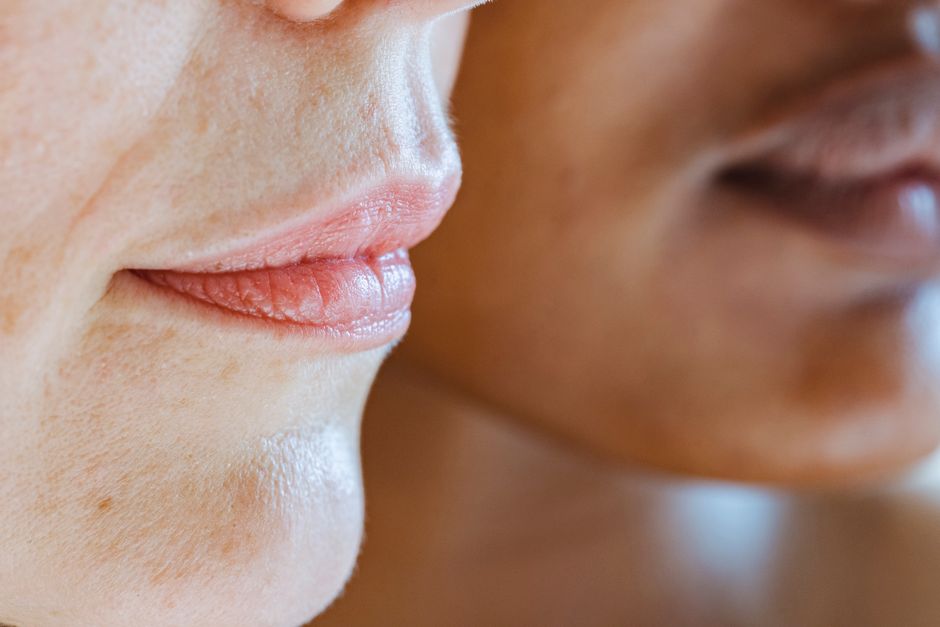
Lanolin is a natural wax derived from sheep’s wool that has been used for decades to soothe dry, cracked skin. For breastfeeding mothers, it is a first-line treatment for sore nipples. For lips and general skin, it acts as a powerful moisturizer that traps water in the outer layer of skin. To use it correctly, apply a thin layer to clean, dry skin and reapply as needed — but the specific application method varies slightly depending on whether you are treating nipples, lips, or dry patches on your body.
What Is Lanolin and How Does It Work?
Lanolin is secreted by sheep’s sebaceous glands to protect their wool from moisture and cold. It is harvested after shearing, then purified for use in cosmetics and medical products. The purified form used in nipple creams and lip balms is typically labeled as “USP grade” or “medical grade” lanolin, which means it has been processed to remove pesticides and impurities.
The way lanolin works is different from most moisturizers. It is an occlusive agent, meaning it forms a physical barrier on the skin’s surface that prevents water from evaporating. It also has natural emollient properties, which means it softens and smooths the skin by filling in gaps between skin cells.
Research consistently shows that lanolin is effective for treating nipple pain and damage in breastfeeding women. It is one of the few topical treatments with clinical evidence supporting its use for this purpose. For dry lips and skin, it performs similarly to petroleum jelly but has the advantage of being more easily absorbed into the outer skin layer.
How To Use Lanolin For Skin Lips And Breastfeeding?
For breastfeeding mothers, the most important rule is to use only medical-grade or “highly purified” lanolin. This type is safe for both mother and baby because it is processed to remove pesticide residues and other contaminants that could be harmful if ingested.
To apply for sore nipples, wash your hands first. Express a small amount — about the size of a pea — onto your fingertip. Rub it between your fingers to soften it, then apply it to the nipple and areola after each feeding. You do not need to wipe it off before the next feeding. Lanolin is not absorbed systemically, and the amount a baby might ingest during nursing is considered harmless.
For lips, lanolin works best as a barrier balm applied to dry or chapped lips. Apply a thin layer before going outside in cold or windy weather, and again before bed. It is more effective than many commercial lip balms because it does not contain the drying ingredients like camphor, menthol, or phenol that some brands include.
For general dry skin, apply lanolin to damp skin after showering. This locks in the water your skin has absorbed. Focus on areas prone to dryness: elbows, knees, heels, and hands. A small amount goes a long way — lanolin is thick and greasy, so start with less than you think you need.
Is Lanolin Safe for Breastfeeding Babies?
Yes, when you use purified lanolin, it is safe for a nursing infant. The American Academy of Pediatrics and other major medical organizations have long accepted purified lanolin as compatible with breastfeeding. The key word is “purified.”
Crude lanolin, which is sometimes sold as a raw skincare ingredient, can contain pesticide residues and wool wax alcohols that may cause allergic reactions. Always check the label. If it does not say “USP grade,” “medical grade,” or “highly purified,” do not use it on your nipples.
One more safety point: if you have a known wool allergy, you should avoid lanolin entirely. Wool allergy is relatively rare, but people who react to wool clothing may also react to lanolin. Symptoms include redness, itching, or a rash at the application site.



Does Lanolin Help With Nipple Pain and Cracked Nipples?
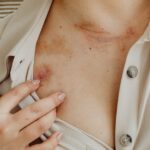
Clinical evidence supports lanolin for treating nipple pain and damage. Studies have found that women who use purified lanolin report less pain and faster healing of cracked nipples compared to those who use no treatment or who use other common remedies like expressed breast milk.
However, lanolin is not a cure-all. If your nipples are cracked or bleeding, lanolin can help soothe the area and promote healing, but you should also address the underlying cause. Most nipple damage during breastfeeding comes from a poor latch. If you are experiencing persistent pain, a lactation consultant can assess your baby’s latch and positioning.
Some clinicians recommend applying lanolin after every feeding to prevent problems before they start. Others suggest using it only once nipple damage has occurred. Both approaches are reasonable. The evidence is stronger for treatment than for prevention, but many mothers find that regular application keeps nipples supple and less prone to cracking.
Lanolin vs. Other Moisturizers: What Does the Evidence Show?
Lanolin has been compared to other common moisturizers in clinical studies. The evidence generally shows that lanolin is as effective or more effective than other occlusive agents like petroleum jelly for treating dry skin conditions.
One advantage lanolin has over petroleum jelly is that it absorbs into the skin more readily. Petroleum jelly sits on top of the skin and can feel greasy for hours. Lanolin, by contrast, penetrates the outer layer of skin and provides longer-lasting hydration.
Compared to plant-based oils like coconut oil or olive oil, lanolin is a stronger barrier. Oils are emollients — they soften skin — but they do not prevent water loss as effectively as lanolin. For very dry skin or cracked nipples, lanolin is generally the better choice. For mild dryness, a lighter oil may be sufficient and less greasy.
One notable difference: lanolin has a distinct, slightly sheep-like smell that some people find off-putting. Purified lanolin has less odor than crude lanolin, but it is still noticeable. If the smell bothers you, look for fragrance-free products that mask the natural scent.
Potential Side Effects and Who Should Avoid Lanolin
Lanolin is generally well tolerated, but side effects do occur in a small percentage of people. The most common issue is contact dermatitis, which is a red, itchy rash at the application site. This is more likely in people with sensitive skin or a history of eczema.
People with a wool allergy should not use lanolin. If you have ever reacted to wool clothing, lanolin-based products, or cosmetics containing lanolin, avoid it. Test a small amount on your forearm before using it on your lips or nipples if you are unsure.
There is also a theoretical concern about lanolin and nipple thrush. Some healthcare providers worry that the occlusive nature of lanolin could create a warm, moist environment that promotes yeast growth. However, no clinical evidence confirms this. If you have symptoms of thrush — deep breast pain, shiny red nipples, or white patches in your baby’s mouth — see your healthcare provider before applying lanolin.
Choosing a Lanolin Product: What to Look For
Not all lanolin products are the same. For nipple care, choose a product specifically labeled for breastfeeding. These products are tested to ensure they are free of pesticides and other contaminants. Popular options include Lansinoh and Medela brands, but the specific brand matters less than the purification standard.
For lips and general skin, you have more options. Look for products that list lanolin as one of the first few ingredients. If lanolin appears near the end of the ingredient list, the product likely contains very little of it. Pure lanolin is available in some drugstores and online, but it is thick and may need to be warmed in your hands before application.
Some lanolin products contain added ingredients like fragrance, preservatives, or botanical extracts. For nipple care, avoid these added ingredients. Pure lanolin is safest because it minimizes the risk of allergic reactions and irritation.
How Long Does Lanolin Take to Work?
For nipple pain, many mothers report relief within 24 to 48 hours of consistent application. For cracked or damaged nipples, visible healing typically occurs within 3 to 5 days. If you do not see improvement within a week, consult a lactation consultant or your healthcare provider.
For chapped lips, you should notice softer lips within a day or two of regular use. For dry skin patches, improvement usually takes a few days of twice-daily application. Lanolin does not cure underlying skin conditions like eczema or psoriasis — it only manages the dryness. If your skin condition does not improve with moisturizing, seek medical advice.
One thing to keep in mind: lanolin is a treatment for symptoms, not a cure for underlying causes. If you have chronic dry skin, the root cause may be environmental, dietary, or related to an underlying skin condition. Lanolin can help manage the dryness, but it will not fix the cause.
Frequently Asked Questions
Can I leave lanolin on my nipples while breastfeeding?
Yes, you do not need to wipe it off before nursing. Purified lanolin is safe for your baby to ingest in the small amounts that may transfer during feeding.
How often should I apply lanolin to my nipples?
Apply a thin layer after every feeding, or at least 3 to 4 times daily. More frequent application is fine if your nipples are very sore.
Can I use regular lanolin lip balm on my nipples?
Only if the product is labeled as medical grade or purified. Regular lip balms may contain fragrance, flavoring, or other ingredients that can irritate nipple skin.
Is lanolin safe for a baby’s skin?
Purified lanolin is generally safe for baby skin, but it is thick and greasy. For diaper rash or baby eczema, consult your pediatrician before using lanolin, as other treatments may be more appropriate.
