
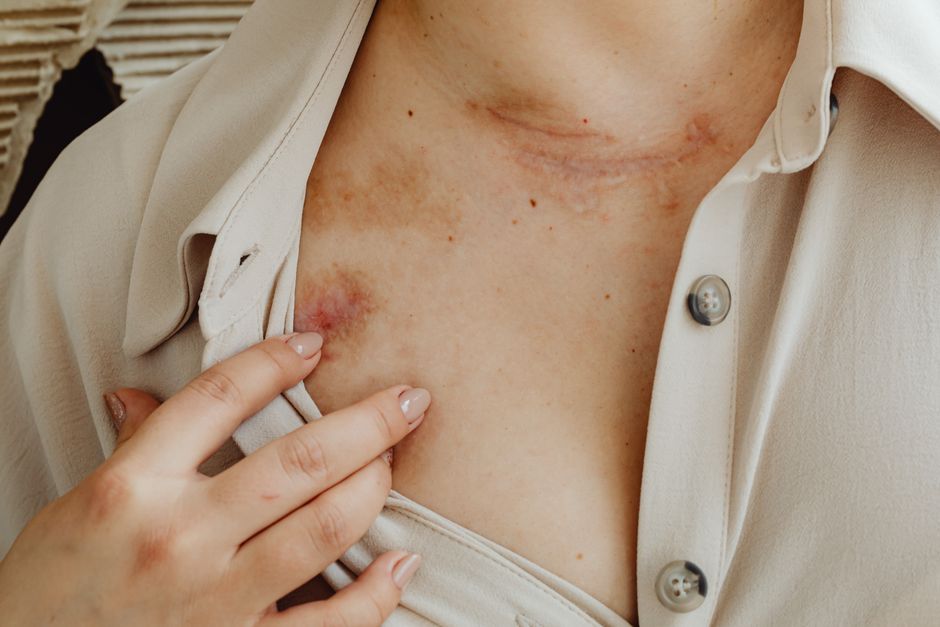
Skin glue, also called liquid stitches or tissue adhesive, is a common way to close small, clean cuts. It works like a strong, flexible bond that holds the edges of a wound together while it heals underneath. You can apply it at home for minor cuts, but you must know when it is safe to use and when you need a doctor instead. The basic steps are: clean the wound thoroughly, dry the skin completely, hold the edges together, and apply a thin layer of glue over the closed cut. Let it dry for about 30 to 60 seconds, and keep the area dry for the next few days.
When Is It Safe To Use Skin Glue At Home?
Skin glue is only appropriate for minor, superficial cuts. The wound should be small—typically less than 3 centimeters long—and have straight, clean edges that line up easily. The cut should not be deep enough to see fat, muscle, or bone. If you can see any of those, this is not a home-glue situation.
Do not use skin glue on animal bites, puncture wounds, or cuts caused by dirty or rusty objects. These wounds carry a high risk of infection and usually need professional cleaning and possibly antibiotics. Skin glue seals the surface, which can trap bacteria inside and make an infection worse.
You also should not use skin glue on wounds in high-moisture areas like the inside of the mouth, near the eyes, or on joints that move constantly. The glue will not hold well in these spots, and the risk of skin irritation is higher.
What Supplies Do You Need?
You can buy skin glue over the counter at most pharmacies. The most common brands contain a substance called 2-octyl cyanoacrylate or n-butyl cyanoacrylate. These are the same compounds used in some medical-grade adhesives.
Before you start, gather these supplies:
- Clean water or sterile saline for rinsing
- Mild soap or antiseptic solution
- Clean towel or sterile gauze
- Skin glue applicator
- Clean hands or medical gloves
Do not use household super glue as a substitute. Regular super glue contains different chemicals that can irritate the skin and cause a chemical burn. It is not designed for medical use and does not have the same safety profile.
How To Use Skin Glue On A Wound Step By Step
Follow these steps carefully. Rushing any of them can cause the glue to fail or increase the risk of infection.
Step 1: Stop the bleeding. Apply firm pressure with clean gauze for several minutes until bleeding stops completely. Do not apply glue to a wound that is actively bleeding. The blood will prevent the glue from sticking to the skin and will weaken the bond.
Step 2: Clean the wound thoroughly. Rinse the cut with clean water or sterile saline. Use mild soap around the edges, but avoid getting soap directly into the wound if possible. Remove any dirt, debris, or dead tissue. This step is critical. A wound that is not properly cleaned will heal poorly and is more likely to become infected under the glue.
Step 3: Dry the skin completely. Pat the area dry with sterile gauze. The skin around the wound must be completely dry. Any moisture will prevent the glue from adhering properly. Wait a few minutes to make sure the area is fully dry.
Step 4: Hold the wound edges together. Gently press the two sides of the cut together so the edges meet evenly. You can use your fingers or ask someone to help you hold the skin in place. The edges should line up without gaping or overlapping.
Step 5: Apply a thin layer of glue. Squeeze a small amount of glue directly onto the closed wound. Apply it in a thin, even layer. Do not smear it with your finger or a swab. The applicator tip should not touch the wound directly if you can avoid it.
Step 6: Hold the edges together for 30 to 60 seconds. Keep the wound edges aligned while the glue dries. The glue forms a strong bond quickly, but it needs about a minute to set. Some products take longer, so check the instructions on your specific brand.
Step 7: Let the glue dry completely. Once the glue has set, do not touch it, pick at it, or apply any ointments, creams, or bandages on top. The glue needs to stay dry and undisturbed to work properly.




How Long Does Skin Glue Take To Heal?
The glue itself will start to peel off naturally within 5 to 10 days. This is normal. As the wound heals underneath, the glue loses its grip and flakes away on its own. Do not pull or pick at the glue. Letting it fall off naturally prevents damage to the new skin underneath.
Most minor wounds closed with skin glue heal completely within 7 to 14 days. The timeline depends on the size and location of the cut. Wounds on areas with good blood flow, like the face, tend to heal faster. Wounds on joints or areas with less blood flow may take longer.
You can shower after the first 24 hours, but avoid soaking the wound in water. Keep the area out of swimming pools, hot tubs, and baths until the glue has fallen off. Prolonged exposure to water will weaken the bond and cause the glue to peel off too early.
What Are The Risks And Warning Signs?
Skin glue is generally safe when used correctly, but complications can happen. The most common issue is the glue failing to hold, which leaves the wound open again. If the edges separate, clean the wound again and either reapply glue or seek medical care.
Infection is the main concern. Signs of infection include:
- Increasing pain or redness around the wound
- Swelling that gets worse instead of better
- Warmth radiating from the area
- Pus or yellow-green drainage
- Fever
If you notice any of these signs, see a healthcare provider promptly. Do not try to remove the glue yourself if an infection is suspected. A doctor will need to assess the wound and may need to open it to clean it properly.
Some people experience skin irritation or an allergic reaction to the glue. Redness, itching, or a rash around the application site may indicate a reaction. If this happens, remove the glue with petroleum jelly or mineral oil and contact your doctor. Medical-grade skin glue is generally well tolerated, but allergic reactions, while uncommon, do occur.
When Should You See A Doctor Instead?
Some wounds should never be treated with at-home skin glue. Seek medical care if any of the following apply:
- The cut is deep enough to see fat, muscle, or bone
- The wound is longer than 3 centimeters
- The edges cannot be easily pulled together
- The cut is on a joint, the face, the hands, or near the eyes
- The wound was caused by an animal bite or a dirty object
- You have diabetes, a bleeding disorder, or a weakened immune system
- The wound is not bleeding normally or you cannot stop the bleeding
Do not use skin glue on wounds that are more than 12 hours old. Bacteria may have already entered the wound, and sealing it closed with glue can increase the risk of a serious infection. Older wounds often need professional cleaning and may require stitches or staples instead.
If you are ever unsure whether a wound is safe to close with skin glue, err on the side of caution and see a healthcare provider. A professional can assess the wound, clean it properly, and decide the best method of closure.
Frequently Asked Questions
Can I use super glue on a cut?
No. Household super glue is not the same as medical skin glue and can cause skin irritation or chemical burns. Use only products labeled for medical use.
How long does skin glue stay on?
Skin glue typically stays on for 5 to 10 days before peeling off naturally. Do not pick at it or pull it off early.
Can I get the wound wet with skin glue?
Keep the area dry for the first 24 hours. After that, brief showering is fine, but avoid soaking the wound in water until the glue falls off.
What should I do if the skin glue comes off too early?
If the wound edges have separated, clean the area and either reapply new skin glue or see a healthcare provider. If the wound looks healed underneath, no action is needed.
Skin glue is a practical option for small, clean cuts when used correctly. The key is knowing when it is appropriate and following the steps precisely. Clean the wound, dry it completely, hold the edges together, and apply a thin layer of glue. Watch for signs of infection, and do not hesitate to seek medical care if anything looks wrong.
