
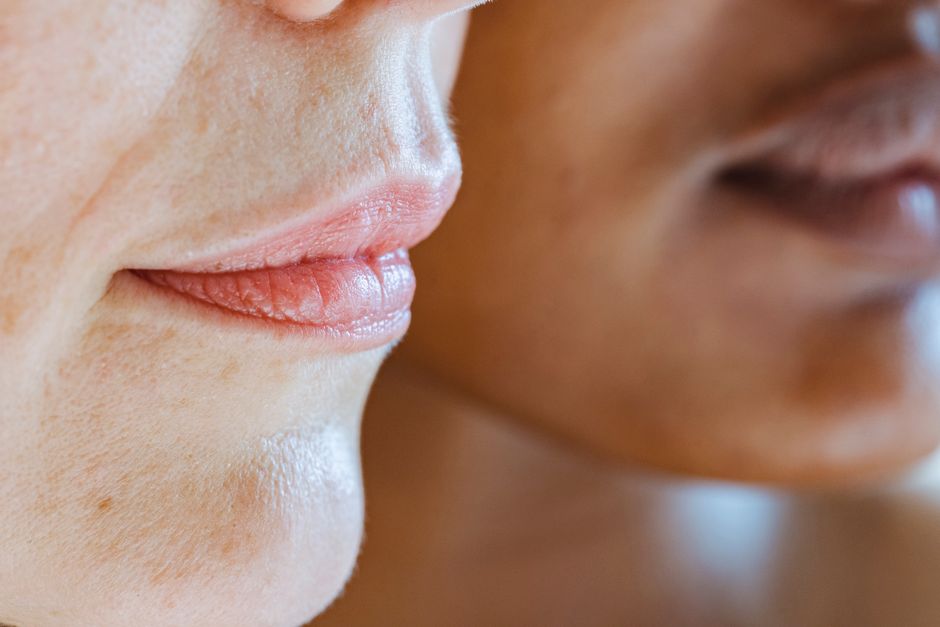
Tight, dry, or pulling skin on your lips is a common and uncomfortable problem. The feeling happens because lip skin is different from the skin on the rest of your body. It is thinner, has no oil glands, and loses moisture faster. When the moisture level drops, the skin contracts and feels tight. The good news is that most causes are temporary and fixable with simple changes.
Why Does The Skin On My Lips Feel Tight?
Your lips lack the protective outer layer found on other skin. They also have no sebaceous glands, which produce the oil that keeps skin moist. Without this natural barrier, water evaporates quickly from the lip surface. As the tissue dries, it shrinks slightly and pulls against the surrounding skin, creating that unmistakable tight sensation.
Cold weather, dry indoor air, and wind speed up this moisture loss. So does licking your lips. Saliva evaporates quickly and takes more moisture with it. This is why lip licking makes the problem worse, not better.
What Causes Tight Lips Besides Dry Air?
Dry air is the most common trigger, but it is not the only one. Several everyday habits and products can strip moisture from your lips.
Mouth breathing is a frequent culprit. Breathing through your mouth, especially while sleeping, exposes the lips to constant airflow. This speeds up evaporation and leaves lips feeling parched by morning.
Certain lip products can make things worse. Some lip balms contain ingredients that draw moisture out of the skin. These include camphor, phenol, and menthol. They feel cooling at first but can dry lips with repeated use. Flavored or scented balms can also irritate sensitive skin.
Dehydration plays a role too. When your body is low on fluids, it prioritizes water for vital organs. The skin, including the lips, gets less. If you are not drinking enough water, your lips may feel tight even in humid conditions.
Certain medications list dry lips as a side effect. These include some acne treatments, antihistamines, and diuretics. If you started a new medication and noticed lip dryness, check the patient information leaflet or ask your pharmacist.
Is It Chapped Lips or Something Else?
Chapped lips, also called cheilitis, is the general term for dry, cracked lips. But not all lip tightness is simple chapping. Some conditions cause similar symptoms and need different treatment.
Allergic contact cheilitis happens when your lips react to something they touch. Toothpaste, lipstick, lip balm, or even certain foods can trigger it. Symptoms include redness, swelling, burning, and sometimes tiny blisters. The tightness may feel different from ordinary dryness — more burning than pulling.
Angular cheilitis affects the corners of the mouth specifically. It causes redness, cracking, and soreness at the corners. A fungal or bacterial infection often plays a role. This condition usually needs medical treatment, not just lip balm.
Actinic cheilitis comes from long-term sun exposure. It causes persistent dryness, scaly patches, and sometimes a change in the border between the lip and skin. It is a precancerous condition and should be evaluated by a doctor.
If your lips are tight but also painful, bleeding, or not improving with regular moisturizing, see a healthcare provider. They can tell the difference between simple chapping and a condition that needs specific treatment.




What Actually Works to Relieve Tight Lips?
Simple moisturizing is the first step. The best lip balms are thick and occlusive, meaning they form a barrier that traps moisture in. Look for products with petrolatum, beeswax, shea butter, or lanolin as the main ingredient.
Apply lip balm before going outside in cold or windy weather. Reapply after eating, drinking, or wiping your mouth. For overnight care, a thicker layer before bed helps lock in moisture while you sleep.
If you are a mouth breather, treating the underlying cause helps. Nasal congestion from allergies or a cold often causes mouth breathing. Using a humidifier in your bedroom adds moisture to the air and can reduce overnight drying.
Drinking enough water matters, but it is not a cure-all. Hydration supports overall skin health, yet lips can still dry out in harsh conditions even when you drink plenty. Moisturizing directly on the lips is more effective than relying on water intake alone.
What Makes Tight Lips Worse?
Some common habits work against you. Licking your lips is the most counterproductive thing you can do. The temporary relief lasts seconds, and then the saliva evaporates, pulling more moisture from the lip tissue.
Picking or peeling dry skin from your lips causes micro-tears. This makes the surface rougher and more prone to moisture loss. It can also introduce bacteria and lead to infection.
Some lip balms with active ingredients like menthol or camphor can irritate already damaged lips. If a product stings or tingles when you apply it, consider switching to a simpler formula without added flavors or cooling agents.
Sun exposure damages lips over time. The skin on your lips is thin and has less melanin than other skin, making it more vulnerable to UV damage. Using a lip balm with SPF during daytime hours helps protect against both sun damage and moisture loss.
When Should You See a Doctor About Tight Lips?
Most cases of tight lips resolve with consistent moisturizing and avoiding triggers. But some situations warrant medical attention.
See a doctor if your lips are severely cracked and bleeding, if the tightness lasts more than two to three weeks despite regular care, or if you notice swelling, oozing, or crusting. Persistent dryness in one spot that does not heal could be a sign of something more serious.
If you have angular cheilitis at the corners of your mouth, home care often is not enough. A doctor can prescribe an antifungal or antibiotic cream depending on the cause.
If you suspect an allergic reaction to a product, stop using it and see if symptoms improve. If the reaction is severe, with significant swelling, seek medical care promptly.
How to Prevent Tight Lips Long Term
Prevention is mostly about consistency. Keep lip balm accessible — in your pocket, bag, car, and beside your bed. Apply it as part of your morning and evening routine, not just when lips already feel dry.
Adjust your environment when you can. A humidifier in your bedroom during winter months adds moisture to the air. Covering your face with a scarf in cold, windy weather protects lips from direct exposure.
Choose your lip products carefully. Unscented, unflavored balms with simple ingredient lists are less likely to cause irritation. Avoid products with a long list of botanical extracts or fragrances if you have sensitive skin.
Pay attention to your diet. Some research suggests that certain vitamin deficiencies, particularly B vitamins and iron, can contribute to dry lips. But for most people, dietary changes alone will not resolve chapped lips caused by environmental factors.
Frequently Asked Questions
How long does it take for chapped lips to heal?
With consistent moisturizing and avoiding triggers, mild chapped lips usually improve within a few days to a week. Severe cracking or an underlying condition may take longer and may need medical treatment.
Can lip balm make dry lips worse?
Yes, some lip balms can worsen dryness. Products with menthol, camphor, phenol, or fragrances can irritate lips and increase moisture loss with repeated use.
Is it better to use lip balm or petroleum jelly for tight lips?
Both work well because they form a protective barrier. Petroleum jelly is highly effective and less likely to cause irritation, while some lip balms contain additional moisturizing ingredients like shea butter or ceramides.
Why do my lips feel tight even when I drink a lot of water?
Drinking water hydrates your body internally, but lip dryness is mostly an external moisture problem. Environmental factors like cold air, wind, and mouth breathing can dry lips regardless of how much water you drink.
