
Corn silk is the thin, thread-like strands that grow inside the husk of a corn cob. These strands are often discarded when you shuck corn, but they have a long history of use in traditional herbal remedies. People use corn silk to make tea or tinctures, mainly for its potential benefits related to kidney function and fluid balance. To use corn silk tea, you steep the dried silk in hot water for about 10 minutes. To use a tincture, you take a few drops of the liquid extract, usually diluted in water, according to the product’s label. The most commonly cited benefits are supporting urinary tract health and reducing water retention, though the clinical evidence supporting these uses is limited.
What Is Corn Silk and What Is It Used For?
Corn silk is not the tassel at the top of the plant. It is the pale yellow to light brown thread-like material found between the husk leaves and the ear of corn. Each strand connects to a kernel and serves as the plant’s style and stigma, which is part of the female flower structure.
Historically, various cultures used corn silk as a mild diuretic. A diuretic is a substance that increases urine production. Traditional use also includes soothing the urinary tract and supporting bladder health. Herbalists sometimes use it for conditions like urinary tract infections, kidney stones, or prostate symptoms, but these uses are based on tradition rather than strong modern clinical evidence.
The active compounds in corn silk include flavonoids, proteins, vitamins, and carbohydrates. Some plant compounds in corn silk, like certain flavonoids and terpenoids, have shown antioxidant and anti-inflammatory activity in laboratory studies. This basic research is promising, but it does not prove that these effects translate into meaningful health benefits when consumed as a tea or tincture by humans.
How To Use Corn Silk Tea
Making corn silk tea is straightforward. If you have fresh corn silk, rinse it well to remove dirt and any potential pesticide residue. Use about one to two teaspoons of fresh or dried corn silk per cup of hot water.
Place the corn silk in a mug and pour boiling water over it. Let it steep for 10 to 15 minutes. The longer it steeps, the stronger the flavor and the more compounds will be extracted. Strain the liquid before drinking. You can drink this tea up to three times a day, but this is a traditional usage pattern rather than a clinically established dose.
The tea has a mild, slightly sweet taste that some describe as similar to green tea. You can add honey or lemon to improve the flavor, though this adds calories and sugar. If you are buying pre-packaged corn silk tea bags, follow the instructions on the package.
Dried corn silk is available in bulk from herbal suppliers and some health food stores. Store it in a cool, dry place in an airtight container. Like all dried herbs, it will lose potency over time, so use it within a year of purchase.
How To Use Corn Silk Tincture
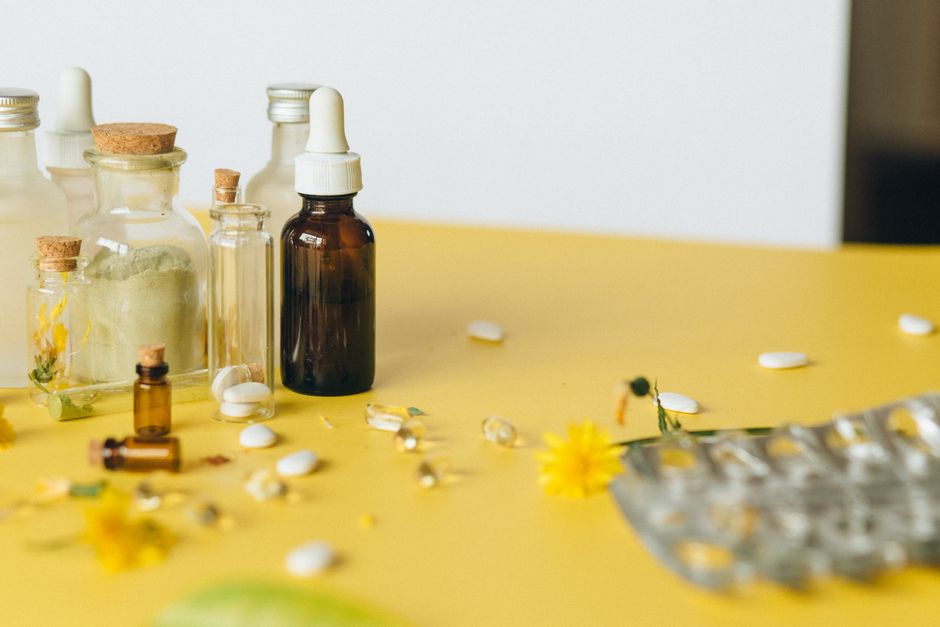
A tincture is a concentrated liquid extract made by soaking the herb in alcohol or another solvent. This process pulls out the active plant compounds. Corn silk tinctures are available in health food stores, herbal apothecaries, and online retailers.
Tinctures are more potent than tea. A typical dose is 2 to 4 milliliters, which is roughly 30 to 60 drops, taken two to three times per day. However, there is no standardized dosing for corn silk tinctures. Different manufacturers make different concentrations, so the dose varies by product.
Always read the label on the specific product you have purchased. The label should state the concentration and the recommended serving size. If the label does not provide clear dosing instructions, do not guess. Consult a qualified herbalist or healthcare provider for guidance.
To take a tincture, use the dropper to measure the recommended amount. Squeeze the liquid into a small glass of water or juice. You can also place the drops directly under your tongue and hold them there for 30 seconds before swallowing. Taking the tincture with food may help reduce any potential stomach upset.
Alcohol-based tinctures are not appropriate for everyone. People who avoid alcohol for medical, religious, or personal reasons should not use these products. Children and pregnant women should not use alcohol-based tinctures. Glycerite extracts, which use vegetable glycerin instead of alcohol, are an alternative for these populations, but no clinical studies have established safety in these groups.




What Are the Potential Benefits of Corn Silk?
The main benefit claims for corn silk involve its diuretic action. A diuretic helps your body remove excess water and sodium through increased urine output. Several laboratory studies on animals have confirmed that corn silk extract can increase urine volume. This supports the traditional use of corn silk for water retention and bloating.
Some research suggests corn silk may help with urinary tract health. The anti-inflammatory properties of certain corn silk compounds might soothe irritated urinary tissues. However, no robust human clinical trials have confirmed that corn silk can prevent or treat urinary tract infections. If you suspect you have a UTI, see a healthcare provider. Untreated UTIs can spread to the kidneys and cause serious complications.
Corn silk has also been studied for its potential effects on blood sugar and blood pressure. Some animal studies show that corn silk extract can lower blood sugar levels in diabetic rats and may help reduce blood pressure. These results are interesting but preliminary. They do not prove that corn silk tea or tincture will help manage diabetes or hypertension in humans.
Potassium is present in corn silk. This mineral is important for heart function and muscle contraction. Some herbalists believe that the potassium content helps replace electrolytes lost through increased urination. The amount of potassium in a typical cup of corn silk tea is small and unlikely to have a significant physiological effect.
Are There Any Risks or Side Effects?
Corn silk is generally recognized as safe when consumed in amounts typically found in food. However, this does not mean it is without risk for everyone. The clinical safety data for concentrated forms like tinctures is limited.
Because corn silk acts as a diuretic, it can cause you to lose fluids and electrolytes. If you take it in large amounts or for a long period, you could become dehydrated or develop low potassium levels. This is especially concerning for older adults, people taking diuretic medications, or those with kidney or heart conditions.
People with a known allergy to corn should avoid corn silk products. Allergic reactions could range from mild skin irritation to more severe symptoms. If you experience hives, swelling, or difficulty breathing after consuming corn silk, seek emergency medical care immediately.
Pregnant women should avoid corn silk. Some traditional sources suggest it may stimulate the uterus, and no safety studies exist for use during pregnancy. Breastfeeding women should also avoid it due to the lack of safety data. No clinical guidelines currently exist for corn silk use in children, so it is best to avoid giving it to them.
Corn silk may interact with certain medications. It could enhance the effects of diuretic drugs, blood pressure medications, or diabetes medications, potentially causing blood pressure or blood sugar to drop too low. If you take any prescription medication, talk to your doctor before using corn silk products.
What Does Scientific Evidence Say About Corn Silk?
The scientific evidence for corn silk’s health benefits is mostly preliminary. Most studies have been conducted in test tubes or on animals, not on humans. This is a critical distinction. A substance that shows activity in a laboratory dish does not necessarily produce the same effect in the complex human body.
Some research suggests corn silk has antioxidant properties. Antioxidants are compounds that neutralize free radicals, which are unstable molecules that can damage cells. The body naturally produces free radicals, and environmental factors like pollution and smoking increase their levels. While antioxidants are important for health, consuming antioxidant-rich foods and herbs does not automatically prevent disease.
No large human clinical trials have confirmed that corn silk tea or tincture effectively treats any specific medical condition. The evidence is limited to small studies, traditional use, and biological plausibility. This does not mean corn silk is useless. It means that the claims made by supplement companies often exceed what the science actually supports.
If you choose to use corn silk, think of it as a mild herbal supplement rather than a medicine. It may support general urinary comfort and fluid balance, but it should not replace conventional medical treatment for any diagnosed condition. Always inform your healthcare provider about all supplements and herbs you are taking, including corn silk.
How Does Corn Silk Compare to Other Diuretic Herbs?
Corn silk is one of several herbs traditionally used as mild diuretics. Others include dandelion leaf, parsley, and juniper berry. Each works through slightly different mechanisms and has its own profile of active compounds.
Dandelion leaf is probably the most well-studied herbal diuretic. Its high potassium content may help offset potassium loss that often accompanies increased urination. Parsley is also used traditionally, but it contains compounds that may be problematic in high doses. Juniper berry has a stronger diuretic effect but is not recommended for people with kidney disease.
Compared to these other herbs, corn silk is considered one of the gentlest options. It is less likely to cause stomach upset than some stronger herbs. This makes it a reasonable choice for someone seeking a very mild diuretic effect, though the evidence for all herbal diuretics is similarly limited.
Prescription diuretics, like furosemide or hydrochlorothiazide, are far more potent than any herbal option. These are used to treat serious conditions like heart failure, liver disease, and high blood pressure. Herbal diuretics like corn silk are not substitutes for these medications. Never stop taking a prescribed diuretic or adjust its dose without speaking to your doctor.
Frequently Asked Questions
Can you drink corn silk tea every day?
Traditional usage suggests it is safe to drink corn silk tea daily for short periods, typically up to a few weeks. Long-term daily use has not been studied, so it is wise to take breaks and consult a healthcare provider if you plan to use it regularly.
Does corn silk tea help you lose weight?
Corn silk tea may cause temporary water weight loss due to its mild diuretic effect, but it does not burn fat. Any weight lost from increased urination returns once you rehydrate.
Is corn silk tea safe for kidneys?
Corn silk is traditionally used to support urinary health, and some research suggests it may have protective effects on the kidneys. However, people with existing kidney disease should not use it without medical supervision because its diuretic action can affect electrolyte balance.
What does corn silk tea taste like?
Corn silk tea has a mild, slightly sweet, and grassy flavor that is often compared to green tea. It is generally considered pleasant and easy to drink without sweeteners.
